

Instantly Connect For Your Personal Injury Consultation When Filling Out Form
Your Fort Yukon Personal Injury Attorney
Getting hurt rarely comes at a convenient time. You may be in pain, missing work and answering calls from an insurance company while trying to learn what you are owed. If your injury in Fort Yukon was someone else’s doing, start with the basics below and go at your own pace.
This page is general information, not legal advice. NeedAnAttorney.net matches people with attorneys and does not represent anyone. The legal points below come from Alaska’s statutes, and the form at the top of the page is how you reach an attorney.

Before You Hire: Questions For A Fort Yukon Attorney

Whoever you speak to, a few answers tell you a lot:
- Your share of fault. Ask how a finding that you were partly responsible would change the numbers (AS 09.17.060).
- The deadline. Ask the attorney to name the exact last day to file for your claim. Alaska’s general limit is two years (AS 09.10.070(a)).
- The damage limit. Ask how the statutory cap on noneconomic damages applies to someone with your injuries (AS 09.17.010).
- Fees and costs. Ask what the fee is, when it is paid, and which expenses are deducted from a settlement.
- Who will work on it. Ask who handles your file day to day and how fast messages are answered.
Kinds of Injury Claims
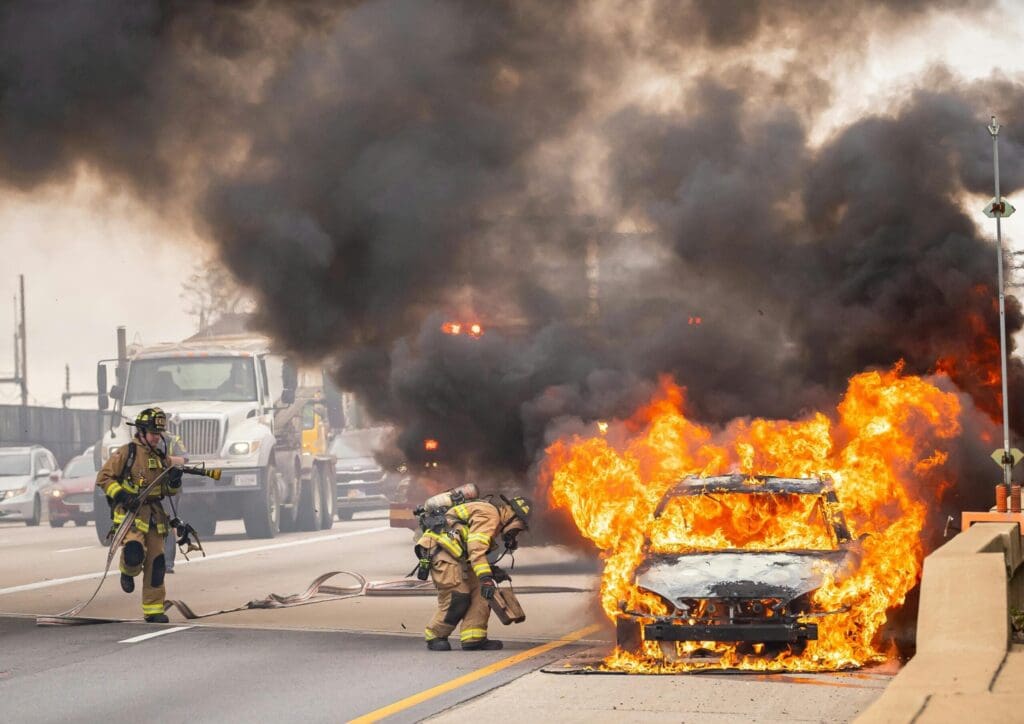
Vehicle crashes
Vehicle injuries start with the same few steps: medical care first, then photographs of the scene, names and numbers of anyone who saw it, the other driver’s insurance information and any estimates for repairs.
Pedestrian and bicycle injuries
A collision on foot or on a bicycle is easy to dispute afterward. Record where it happened, what the road and signals were like, and who saw it, and keep any damaged clothing, helmet or equipment.
Falls and unsafe property
Slips, trips and falls come from spills, uneven surfaces, poor lighting and broken stairs. What matters is who controlled the place and how long the problem was there, so document the hazard and tell the owner or manager promptly.
Wrongful death
When a death is caused by someone else’s wrongful act or neglect, the claim works differently from an injury claim. Alaska law lets the personal representative bring the action (AS 09.55.580(a)). It is a heavy time to make decisions, and an attorney can explain the process at your pace.
Injured in Fort Yukon? Get matched with an attorney now.
Fault Shared Among Several People
Alaska is a pure comparative fault state. AS 09.17.060 says contributory fault chargeable to the claimant diminishes the compensatory damages in proportion to that fault, and it does not bar recovery. If a jury decided you were 40 percent at fault for a $100,000 loss, you would be awarded $60,000.
AS 09.17.080 covers cases with several people at fault. Fault is divided among everyone, including people who have already settled, and judgment against each defendant follows that defendant’s percentage rather than the whole amount.
Limits On Pain And Suffering Awards
Alaska limits what a court can award for noneconomic loss, meaning pain, suffering, inconvenience, physical impairment, disfigurement, loss of enjoyment of life and loss of consortium. Under AS 09.17.010, the usual ceiling for one injury or death is the greater of $400,000 or the injured person’s life expectancy in years multiplied by $8,000.
A higher ceiling applies in a personal injury action involving severe permanent physical impairment or severe disfigurement: the greater of $1,000,000 or life expectancy in years multiplied by $25,000. Medical bills and lost wages are economic losses and fall outside these limits.
When the Clock Starts and Stops
A person bringing a claim for personal injury or death must commence the action within two years of when it accrued (AS 09.10.070(a)). A wrongful death action must be commenced within two years after the death, under AS 09.55.580(a). The clock can be paused while a claimant is a minor or legally incompetent (AS 09.10.140), and when a child under eight is injured, the time before the eighth birthday is not counted. Because exceptions are narrow and a missed deadline can end a case, ask about dates in your first conversation.
What The Other Driver’s Policy Must Cover
The minimum liability limits for an Alaska owner’s policy are $50,000 per person, $100,000 per accident for injuries, and $25,000 for property damage (AS 28.20.440(b)). Those figures are floors, and a serious injury can cost more than the other driver’s policy pays.
That is why your own uninsured and underinsured motorist coverage can become important. The statute calls for it at those same amounts, but an insured may reject it in writing under AS 28.20.445, so check what you chose.
The Courthouse in Fort Yukon
Fort Yukon has a court location in the Alaska Court System directory, part of the Fourth Judicial District, at E 3rd Avenue. Fort Yukon lies within Yukon-Koyukuk Census Area.
Ask every provider for your full records and an itemized bill, and keep a running list of appointments. A transfer between hospitals leaves two sets of records, so request both.
Where To Begin After An Injury In Fort Yukon

Start with the form at the top. It asks a few questions about the injury, and we pass your answers to an attorney who handles Fort Yukon cases. Using it is free, and it does not create an attorney client relationship.
Until someone calls, make a simple record: what happened, the date and time, names of anyone who saw it, the treatment you have had, and the days you missed from work. Keep every bill and letter in one place.
Frequently Asked Questions
How long do I have to file an injury lawsuit in Alaska?
For most personal injury claims, two years from when the claim accrued (AS 09.10.070(a)). A wrongful death action must be commenced within two years after the death (AS 09.55.580(a)).
Can I still recover if the accident was partly my fault?
Yes. Your award is reduced in proportion to your share of fault, but fault does not bar a recovery in Alaska (AS 09.17.060).
Does Alaska put a ceiling on pain and suffering?
Yes, a statutory one: the greater of $400,000 or life expectancy in years times $8,000, and a higher limit for severe permanent impairment or disfigurement (AS 09.17.010).
What are Alaska’s minimum auto insurance limits?
At least $50,000 for injury to one person, $100,000 for injury to two or more in one accident, and $25,000 for property damage (AS 28.20.440(b)).
What documents should I keep after an injury?
Medical records and bills, photographs, the police or incident report number, pay stubs showing missed work, repair estimates and every letter or email from an insurer.
Can I talk to the other side’s insurance company?
You can, but you do not have to give a recorded statement right away. It is fair to say you are getting advice first.
How much does it cost to be matched with an attorney here?
Nothing. The form is free to use, and many injury attorneys work on a contingency fee. Ask to see the agreement in writing before you sign.
What are the first steps after an accident?
See a doctor, report the accident to the right party, take photographs, and write down the details soon after. Then keep every bill and record together.
If You Were Hurt Somewhere Else In Alaska
The directory lists every Alaska community that has a page.
