

Instantly Connect For Your Personal Injury Consultation When Filling Out Form
Your Peru Personal Injury Attorney
A good deal of what happens after an injury is a matter of keeping track of paper. Medical discharge forms, bills, explanation letters from insurers, repair estimates, a police report number scribbled on a card: they arrive in no particular order and all of them may matter later. This page is for readers in Peru who are starting to organize that paper and who want to understand how Indiana law treats shared blame and deadlines. It lists two public details, sets out several state rules in plain words, and offers suggestions for preparing to talk with a lawyer. It is general information and cannot address your own facts.
For medical records, the Indiana Department of Health hospital directory page for Peru lists Dukes Memorial Hospital at 275 W 12th St in Peru. You can read the entry on the state hospital directory page.
For court records, the Indiana court directory lists the Miami County Clerk’s Office at 25 North Broadway, Room 208, in Peru. Whether any matter would reach that office is for a lawyer to explain.
In an action based on fault, a claimant whose contributory fault is greater than the fault of all persons whose fault proximately contributed to the claimant’s damages is barred from recovery, according to section 34-51-2-6, which appears in the chapter on comparative fault.
Section 34-51-2-5 deals with the amount of damages in such an action. Contributory fault chargeable to the claimant diminishes proportionately the compensatory damages awarded, and recovery is not barred except as provided in section 6, in an action based on fault.
Under section 34-11-2-4(a), found in the chapter on limitation periods, an action for injury to a person or character, or injury to personal property, must generally be commenced within two years after the cause of action accrues. Subsections (b) to (d) of that section set separate rules for some actions for injury to a person that result from the sexual abuse of a child. A lawyer can tell you whether one of those rules might matter.
For other Indiana pages, see personal injury attorneys in Wabash or the Indiana personal injury attorneys overview.

What To Look For When Hiring Your Personal Injury Attorney

Your own insurance policies may matter as much as the other side’s, so find them before a meeting. Auto, health, renters and homeowner policies can each play a part depending on what happened. Bring the policy documents or the declaration pages if you can, and bring any letter that refers to a claim number. If you cannot find them, say so, and ask the lawyer how to get copies.
If the other party appears to have no insurance, or has left the scene, say that at the start. It changes the questions a lawyer needs to ask, including which of your own coverages might come into play. Do not assume anything. Describe what you know and let the lawyer sort out what follows.
Prepare, too, for questions about money you have already received or been offered. An advance from an insurer, a payment from a health plan or a benefit from an employer can all affect how a matter is discussed. Write down who paid what and when, and bring the letters.
During the meeting, ask direct questions. How will the lawyer approach a matter like yours? What is likely to be difficult? What are the next steps, and who takes them? How are fees and expenses calculated, and will the terms be in writing before you commit?
Listen for how you are spoken to. A good sign is a lawyer who explains concepts without condescension and who tells you plainly what is uncertain. A poor sign is a promise about a result or pressure to sign right away.
Worth looking for:
- State Specific Expertise
- Personalized Attention
- Clear Communication
Keep these records throughout:
- a dated journal of symptoms and limits
- appointment cards and discharge sheets
- copies of everything you send and receive
- receipts, mileage notes and other out of pocket costs
- names of everyone you speak with at an insurer
Pay attention to dates on every letter you receive, whether it comes from an insurer, a provider or a court. Some letters ask for a response by a certain day, and a missed date can cause problems that are hard to undo. If a letter sets a deadline, show it to a lawyer promptly and do not assume that someone else is keeping track of it for you.
Finally, remember that your own conduct matters. Follow your provider’s advice, keep appointments, and be thoughtful about what you share online. If an insurer asks for a statement, ask what it will be used for first.
Intake form for an injury matter in Peru
Personal Injury Types of Cases
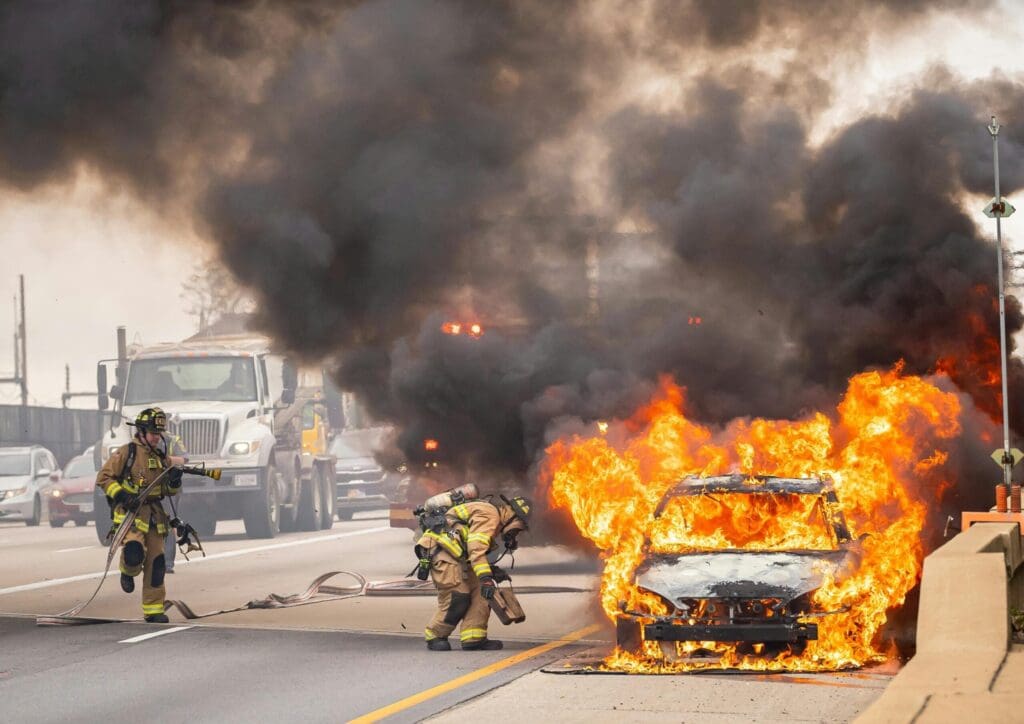
The categories below reflect the kinds of matters people raise most often. A single event can fit several of them, and a lawyer can help decide which rules apply.
Motor Vehicle Accidents
Fault is usually the first question after a collision, and it depends on conduct, conditions and the evidence on the vehicles. Typical matters include:
- Distracted Driving
- Tractor trailer accidents
- Car Accidents
- Truck Accidents
- Aggressive Driving
- Drunk Driving
- Bicycle Accidents
- Motorcycle crashes
- and other kinds of motor vehicle accidents
Insurance minimums come from section 9-25-4-5, which sets minimum financial responsibility amounts of $25,000 for bodily injury to or the death of one individual and $50,000 for bodily injury to or the death of two or more individuals in any one accident. The section is in the chapter on financial responsibility. A policy may provide more or less than a minimum, so ask what applies.
Premises Liability
People who own or control property are expected to keep it from endangering visitors. Examples:
- Places to receive burns
- Dog bites
- Unlit alleyways
- Places to receive chemical exposure
- Broken Stairs
- Slippery Floors
- Surfaces that are uneven
- and other dangerous conditions
If you can do so safely, photograph the hazard before it is fixed, and write down the names of people who saw you fall. If the property belongs to a landlord or a business, note who you told about the problem and when, and keep copies of any message. Pictures of the area on a normal day, taken from the same spot, can show how the hazard differed from what people expected. Measure or pace off distances if you can, and note any sign, light or barrier that was present or missing.
Work Place Accidents
For a work injury, the employer’s benefits are one subject, and the possible role of an outside party is another. Report the injury as your workplace rules direct, keep a copy, and write down who was present, since a lawyer may want to know about each of them.
Events and conditions raised here:
- Occupational illnesses like chronic lung disease and contagious diseases
- Unmaintained equipment
- Auto Accidents
- Electrical Hazards
- Unsafe working conditions
- Slip and Fall
- Death
- and other personal injuries at work
Wrongful Death
Families who lose someone to another person’s wrongful act need to know who may act. Section 34-23-1-1, in the chapter on wrongful death actions, says the action shall be commenced by the personal representative of the decedent within two years when the death of one is caused by the wrongful act or omission of another. A lawyer can explain how that rule works for a given family.
Circumstances that come up include:
- Electrocution
- Falls
- Firearm
- Fire
- Helicopter Accident
- Maritime Accident
- Drowning
- Auto Accident
- and other kinds of wrongful deaths
Defective Products and Medical Care
If a product failed or treatment did not meet a careful provider’s standard, do not return, repair or throw away the item. Keep the receipt, the box and the instructions, and ask for copies of your chart. Take pictures of the item before anyone moves it, and write down how it was being used.
What People Ask to Have Counted
Kinds of loss that come up:
- medical bills, both current and future
- wages lost and reduced capacity to earn
- pain and lost enjoyment of life
- property damage
- permanent injury
Under section 34-51-3-4, in the chapter on punitive damages, a punitive damage award may not be more than the greater of three times the compensatory damages awarded in the action or $50,000. A lawyer can say whether punitive damages are relevant to a matter.
A different page, the one for intellectual property attorneys in Peru, covers disputes over trademarks, copyrights and business names.
Use the form on this page to send a short description of your matter
How To Start The Personal Injury Attorney Indiana Peru Intake Process
Your first move is the form on this page. It asks how to reach you and for a short description of the event. Plain language is fine, and you can leave out anything you are unsure of.
Having these ready helps:
- the date and location of the incident
- everyone who was involved
- the name of an insurer that has been in touch
- the doctors and clinics that have treated you
- a police report number, if there is one
- the days of work you have lost
You do not need all of it. Missing pieces can be added later, and it is better to leave a gap than to guess. Put the events in the order they happened and say whether symptoms are continuing. If someone has asked you to sign a document or give a recorded statement, say so.
If you have an insurance policy that might apply, mention which kind it is. You do not need to send the policy now. A lawyer can ask for it when the time comes. Do check that your phone number and email address are typed correctly, and say when calls are easiest for you, since that saves a round of missed messages.
Sending the form opens a talk and nothing more. It does not bind you, and this page makes no statement about a fee, a result or a date.
More pages are available for personal injury attorneys in Monticello and personal injury attorneys in Noblesville.
Frequently Asked Questions
What does the court directory list for Miami County?
It lists the Miami County Clerk’s Office at 25 North Broadway, Room 208, in Peru.
Where does the state list a hospital for Peru?
The hospital directory page for Peru shows Dukes Memorial Hospital at 275 W 12th St in Peru.
Should I look for my own insurance policy?
Yes. Your own policies can matter, and a lawyer will ask about them. Bring the documents or a claim number if you have one.
What if the other driver left the scene?
Say so when you describe the event. It affects which questions a lawyer needs to ask, including about your own coverage.
Can an advance payment from an insurer affect my matter?
It can. Keep the letter that came with it and tell a lawyer before you agree to anything in return.
