

Fill Out The Form To Be Connected Instantly to the Patent Infringement Attorney Needed In Your Case!
Your Naperville Intellectual Property Attorney
Protecting your intellectual property in Naperville, Illinois is more than just a smart business move, it’s how you secure your ideas, your creativity, and everything you’ve worked hard to build. Whether you’re a startup founder, a local business owner, or a creative professional, navigating the world of patents, trademarks, copyrights, and trade secrets can feel overwhelming. That’s why having the right intellectual property attorney in Naperville, Illinois matters. You deserve someone who understands both federal IP law and the unique challenges of doing business here in Illinois.
Naperville has become one of the most active innovation hubs in the state. From tech companies and healthcare innovators to designers, engineers, and creators of all types, this city is filled with people turning ideas into thriving businesses. With that growth comes increased competition and increased risk of someone misusing or copying your work. A local attorney who understands Naperville’s business community and Illinois’ legal standards can build a strategic plan that protects your IP from every angle.
Whether you’re developing software, designing products, producing original content, or building a brand, IP law requires accuracy, precision, and timing. Even the U.S. Copyright Office emphasizes how important it is for creators to understand their rights clearly and act quickly. A skilled Naperville attorney will ensure filings are completed correctly, deadlines are met, and every part of your strategy aligns with both federal and Illinois requirements.
Working with an intellectual property attorney in Naperville means you get an advocate who knows how local courts operate, how IP disputes typically unfold in Illinois, and how to position your case for a favorable outcome. Whether you’re facing infringement, responding to accusations, or proactively protecting something valuable, you deserve guidance that’s practical, clear, and tailored to your situation.
IP disputes often move fast and escalate quickly. Waiting too long can weaken your options or even result in losing critical rights altogether. A Naperville-based attorney can respond quickly, help you understand your legal position, and begin taking action immediately to protect your work, your brand, and your competitive edge.
Choosing a local attorney isn’t just about convenience it’s about working with someone who understands Illinois’ legal landscape, Naperville’s business climate, and the specific pressures innovators face here. With the right lawyer in the NAA network on your side, you can stay focused on growing your ideas while they handle the legal heavy lifting.
Your intellectual property deserves real protection. Don’t wait until a problem becomes a crisis. Connect with an experienced intellectual property attorney in Naperville, Illinois today and take the first step toward securing your ideas, your work, and your future.
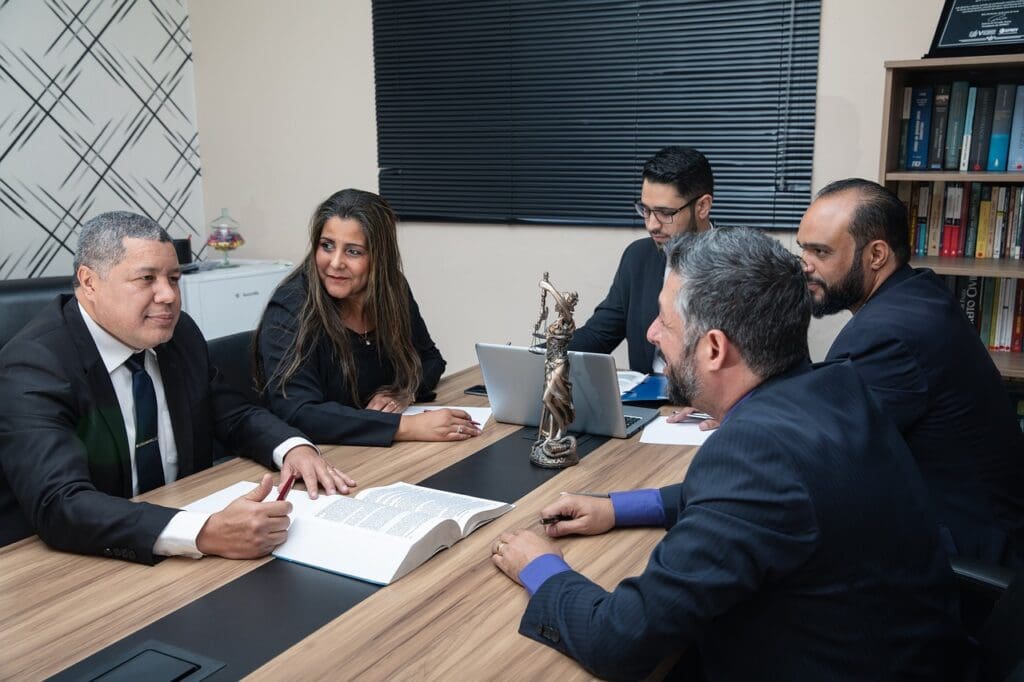
What To Look For When Hiring The Right Intellectual Property Attorney
Finding the right intellectual property attorney in Naperville, Illinois is crucial to protecting your ideas, inventions, and creative work. Whether you’re facing a patent dispute, a trademark issue, or a case of copyright infringement, having an experienced attorney who understands Illinois’ laws and legal processes can make all the difference in securing your rights. Illinois is home to a diverse economy, with industries like technology, manufacturing, and agriculture thriving in cities like Chicago, Springfield, and Naperville. This dynamic business environment creates unique challenges when it comes to intellectual property cases, and working with a skilled attorney in Naperville can help ensure your case is handled with expertise.
- Understanding the Technical Aspects and Industry Knowledge: Understanding both federal and Illinois intellectual property laws is essential when dealing with these types of cases. A well-qualified attorney in Naperville will not only guide you through the complexities of intellectual property law, but they’ll also have the technical knowledge to understand the specifics of your industry. Whether you’re working in tech, entertainment, or manufacturing, their expertise will be key to building a strong case, whether you’re negotiating agreements or preparing for litigation.
- Expertise in Illinois IP Laws and Local Courts: Understanding both federal and Illinois intellectual property laws is essential when dealing with these types of cases. A well-qualified attorney in Naperville will not only guide you through the complexities of intellectual property law, but they’ll also have the technical knowledge to understand the specifics of your industry. Whether you’re working in tech, entertainment, or manufacturing, their expertise will be key to building a strong case, whether you’re negotiating agreements or preparing for litigation.
- Proven Track Record in IP Law Litigation: A proven track record in handling intellectual property disputes is another important factor. You want an attorney who has successfully navigated complex cases in Illinois courts, someone who can anticipate legal challenges and address both technical and legal hurdles. This experience improves your chances of a favorable outcome, giving you confidence that your case is in capable hands.
- Licensed and in Good Standing with the Illinois Bar: At needanattorney.net, the attorneys we connect you with are not only experts in intellectual property law but also fully licensed and in good standing with the Illinois Bar Association. This guarantees that you will be represented by a professional who upholds the highest ethical standards and is well-qualified to protect your interests with integrity.
- Customized Strategy for Your IP Case: Every intellectual property case is different, so a one-size-fits-all approach won’t work. A local attorney in Naperville will take the time to understand the unique details of your situation and create a legal strategy that is customized for you. Whether you’re protecting a patent, defending a trademark, or pursuing action for copyright infringement, a tailored approach will help ensure that your legal strategy fits your specific needs and goals.
- Clear Communication and Client Support: Having an attorney who communicates clearly and provides strong client support is just as important. Intellectual property cases can feel overwhelming, but a dedicated lawyer in Naperville will guide you through each step of the process, answering your questions and making sure you feel confident as your case progresses. From your initial consultation to the final resolution, you’ll have someone on your side who is committed to protecting your rights and keeping you informed every step of the way.
- Commitment and Availability: The attorneys we connect you with through needanattorney.net are also known for their commitment and availability. They understand the importance of moving your case forward quickly, especially when it comes to intellectual property disputes, where timing can be critical. You can trust that they’ll be responsive, attentive, and ready to take immediate action to protect your ideas and innovations.
If you’re dealing with an intellectual property issue in Naperville, Illinois, don’t wait to get the legal support you need. By working with a local attorney who understands Illinois’ laws and the unique challenges of the business landscape in cities across the state, you’ll have a strong chance of protecting your intellectual property and securing your rights. Fill out the form on this page to be connected with an intellectual property attorney for your case. Let needanattorney.net help you safeguard your valuable creations and innovations by finding the right attorney to represent you in Illinois.
Intellectual Property Types of Cases

Trade Secret Cases
Trade secret cases in Aurora often involve sensitive business information that gives a company its competitive edge things like formulas, processes, data, or internal strategies. When a former employee, contractor, or business partner walks away with protected information or uses it without permission, the impact can be severe. A local Aurora intellectual property attorney can act quickly to help you secure your rights, stop ongoing misuse, and hold the responsible party accountable.
Design Patent Cases
Design patents protect the unique look of a product. When someone copies the visual design or produces something that looks nearly identical, it can confuse customers and damage your brand. Design patent cases in Aurora focus on the appearance and overall visual impression of a product rather than how it works. Having an attorney who understands these distinctions is essential to enforcing your rights effectively.
Licensing and Contract Disputes
When companies in Aurora collaborate, licensing or development agreements are often involved. Disputes can arise over royalties, usage rights, ownership, or unclear contract language. These disagreements can disrupt operations and revenue. An experienced IP attorney helps interpret your agreement, enforce the terms, and resolve conflicts so your business interests stay protected.
Domain Name Disputes
Domain name issues are becoming more common as more Aurora businesses establish their presence online. If someone registers a domain that’s confusingly similar to your brand name or trademark, it can cause customer confusion or reputation damage. These disputes are typically handled through specialized arbitration procedures, and an attorney can help you reclaim or defend a domain tied to your brand identity.
Counterfeiting and Piracy Cases
Counterfeiting and piracy affect both online and local businesses throughout Illinois. Counterfeit goods from apparel to electronics undermine legitimate brands, while piracy often involves unauthorized digital copies of software, creative work, or media. A skilled Aurora IP attorney can help you enforce your rights, stop unauthorized distribution, and pursue appropriate legal remedies.
Patent Cases
Patent disputes are some of the most complex legal battles, especially in industries common to Aurora such as manufacturing, engineering, and technology. Patent cases typically involve new inventions, processes, or product designs. Infringement happens when someone uses, makes, or sells a patented invention without permission. Whether you’re enforcing a patent or defending against a claim, you need an attorney who understands both the technical and legal sides of the issue.
Trademark Cases
Your name, logo, slogan, and brand identity are some of your most valuable assets. Trademark disputes arise when someone else uses branding that is confusingly similar, dilutes the strength of your mark, or interferes with your ownership rights. An intellectual property attorney in Aurora will help you protect your brand, enforce your rights, and handle disputes involving trademark registration, infringement, or misuse.
Copyright Cases
Copyright protects original creative work, from writing and artwork to software code and digital content. Copyright disputes in Aurora often involve unauthorized copying, distribution, or adaptation of a copyrighted work. Whether you’re protecting your own content or responding to an allegation, an experienced attorney ensures your rights are respected and defended.
This is exactly why needanattorney.net exists, to connect you with the right attorney for your situation, your goals, and your legal needs.
If You Need Help Outside of Illinois
If you’re dealing with an intellectual property issue in Naperville and
your business also operates across Illinois, it can help to understand
how IP protections apply statewide. Our network supports creators and businesses throughout the region with reliable legal guidance.
- Illinois Intellectual Property Attorneys
- Wisconsin Intellectual Property Attorneys
- Indiana Intellectual Property Attorneys
- Iowa Intellectual Property Attorneys
These neighboring state resources are helpful if your IP concerns cross state lines or if your business operates in multiple markets. Wherever you need support, our network is here to connect you with a qualified attorney who understands your goals.
How To Start The Intellectual Property Attorney Illinois Naperville Intake Process
Submit your details in the form on this page to be matched with an intellectual property attorney in Naperville, Illinois. At needanattorney.net, we understand how crucial it is to protect your business interests and intellectual property. If you believe your patent rights have been violated, having a skilled legal team by your side can make all the difference in securing a favorable outcome. We’re here to help defend your rights so you can stay focused on growing your business and pursuing your innovations.
Many of the patent infringement attorneys we connect you with in Naperville offer a free initial consultation. This allows you to discuss your case and explore your options without any financial risk before deciding to move forward. This process ensures your attorney fully understands the details of your case and is prepared to advocate for your interests.
Getting started is easy. Simply fill out the Patent Infringement Attorney Illinois Naperville form on this page, and we’ll immediately connect you with an experienced attorney who’s the right fit for your case. Don’t wait-take action today to safeguard your rights and explore the legal options available to you. Complete the form now and begin your path toward resolving your patent infringement issues.
Frequently Asked Questions: Naperville Intellectual Property Attorney
Q: What types of intellectual property issues do attorneys in Naperville handle?
Attorneys in Naperville help with patents, trademarks, copyrights, trade secrets, licensing disputes, brand protection, infringement claims, and IP strategy for businesses of all sizes.
Q: Do I need a local Naperville attorney, or can any IP lawyer handle my case?
While IP law is mostly federal, a Naperville-based attorney understands Illinois courts, local business industries, and regional trends that can influence your case. Local insight gives you a stronger, more accurate strategy.
Q: How do I know if someone is infringing on my intellectual property?
Common signs include similar branding, copied product designs, unauthorized digital use, or competitors using material that looks or functions like yours. A local attorney can evaluate your rights and confirm whether infringement has occurred.
Q: Can an attorney help if I haven’t filed for a trademark or patent yet?
Yes. An IP attorney in Naperville can guide you through searches, filings, documentation, and compliance before issues arise. Early help often prevents costly disputes later.
Q: What should I bring to my consultation with a Naperville IP lawyer?
Bring any documents related to your invention, creative work, brand, contracts, and any evidence of misuse. The more information you provide, the faster an attorney can assess your rights.
Q: How long do intellectual property cases take in Illinois?
Timelines vary. Simple trademark disputes may resolve in weeks, while patent or trade secret cases can take months. A Naperville attorney will give you realistic expectations based on your situation.
Q: What if I think someone is using my work but I’m not sure yet?
You should contact an attorney immediately. They can investigate quietly, gather evidence, and help you act quickly to protect your rights before the situation escalates.
Q: Can a Naperville IP attorney help my business with long-term IP strategy?
Absolutely. Many local businesses rely on IP lawyers for portfolio management, licensing agreements, brand expansion, and ongoing protection of creative and technical assets.
Related city pages in this region: Bolingbrook, Aurora, and Downers Grove. If the matter involves a crash, a fall, or another injury, our Naperville personal injury attorney page is the better fit.