

Instantly Connect For Your Custer Medical Malpractice Consultation When Filling Out Form
Your Custer Medical Malpractice Attorney
Finding out that care in Custer fell short can be painful, and sorting out whether it amounts to medical malpractice is a separate question from how you feel about it.
The sections below set out the South Dakota law that applies to malpractice claims and explain how to reach, through needanattorney.net, an attorney in our network who handles them.

What Counts as Medical Malpractice in South Dakota

South Dakota’s malpractice time limit applies to an action against a physician, surgeon, dentist, hospital, sanitarium, registered nurse, licensed practical nurse, chiropractor or other practitioner of the healing arts for malpractice, error, mistake or failure to cure, whether based on contract or tort (SDCL § 15-2-14.1).
Which providers fall under the damages statute is spelled out in SDCL § 21-3-11: physicians, chiropractors, optometrists, podiatrists, dentists, hospitals, nurses and others, and the practitioner’s employer.
Medical care does not always succeed, and an unhappy outcome is not by itself malpractice; the claim has to connect a failure in care to the injury.
Common Medical Malpractice Claims

The examples that follow are not a complete list, but they show how a claim connects what the provider did or failed to do to the harm.
Diagnostic errors
A late or missed diagnosis can allow an illness to progress. These claims look at what the provider did, what was reasonably available to do, and what an earlier diagnosis would have changed.
Surgical mistakes
Problems before, during or after an operation can all lead to claims: planning, the procedure itself, anesthesia and follow up care. The question is whether the care departed from accepted practice and caused the injury.
Errors with medications
A prescription or dosing mistake may involve a physician, a pharmacy or a hospital staff member. A claim looks at who made the error and what it caused.
Injuries during pregnancy or delivery
Claims about harm at birth look at the care given and ask whether a departure from accepted practice caused the injury, which is why complete records matter.
The South Dakota Filing Deadline
South Dakota allows two years from the time the alleged malpractice, error, mistake or failure to cure occurred (SDCL § 15-2-14.1), and the action cannot be started later.
The clock in SDCL § 15-2-14.1 runs from when the alleged malpractice occurred. It does not use discovery wording, which makes the dates of treatment important from the start.
Minors and Mental Illness Under South Dakota Law
A patient who was a minor or mentally ill when the claim accrued gets the disability period excluded from the deadline (SDCL § 15-2-22).
The extension is limited: the period cannot be extended more than five years by any disability except infancy, and in no case longer than one year after the disability ceases (SDCL § 15-2-22).
Wrongful Death Claims in South Dakota
South Dakota allows an action for damages when a death is caused by a wrongful act, neglect or default of the kind that would have let the patient bring a claim (SDCL § 21-5-1).
Three years after the death is the limit for a wrongful death action (SDCL § 21-5-3).
The action is for the exclusive benefit of the husband or wife and children, or if there are none, the parents and next of kin, and it is brought in the name of the personal representative (SDCL § 21-5-5).
The Limit on General Damages
Under SDCL § 21-3-11, general damages in an action alleging malpractice against the listed providers may not exceed $500,000, and the limit applies to arbitration as well as court.
Special damages are not limited by SDCL § 21-3-11, which caps only general damages.
The lack of a statutory limit says nothing about what a particular claim is worth, which depends on the harm, the evidence and how fault is divided.
The Slight Comparison Rule
South Dakota lets a patient recover if the patient’s negligence was slight in comparison with the defendant’s, with damages reduced by the patient’s share (SDCL § 20-9-2).
Under SDCL § 20-9-2, no percentage of the patient’s fault is disclosed by special interrogatory when the slight comparison question is decided.
Records that show every provider involved in the care help an attorney see how fault may be shared.
If the Provider Is a Public Entity
If the provider is a public entity or its employee, SDCL § 3-21-2 requires written notice of the time, place and cause of the injury within one hundred eighty days after the injury before an action can be maintained.
Public entities include the state and its agencies, municipalities, counties, school districts and other public entities established by law (SDCL § 3-21-3 names who receives the notice, such as the county auditor for a county or the mayor or city finance officer for a municipality).
Giving notice does not extend the filing deadline (SDCL § 3-21-2). A minor or incapacitated person may ask the court for extra time to give notice, within two years of the event (SDCL § 3-21-4).
Where a Custer County Malpractice Case Is Filed
An action for the recovery of damages to persons may, at the plaintiff’s option, be brought and tried in the county where the damages were inflicted or the cause of action arose (SDCL § 15-5-8). For care received in Custer, that county may well be Custer County.
Local Courts and Hospitals in Custer
Custer County is the county the Census Bureau assigns to Custer. Custer County is in the Seventh Circuit, according to South Dakota Codified Law 16-5-1.2. Monument Health Custer Hospital in Custer is on the South Dakota Department of Health trauma hospital list as a designated trauma receiving hospital. Ask the hospital’s records office for your complete chart and itemized bill, and note which doctors and nurses were involved.
Speak With a Custer Malpractice Attorney
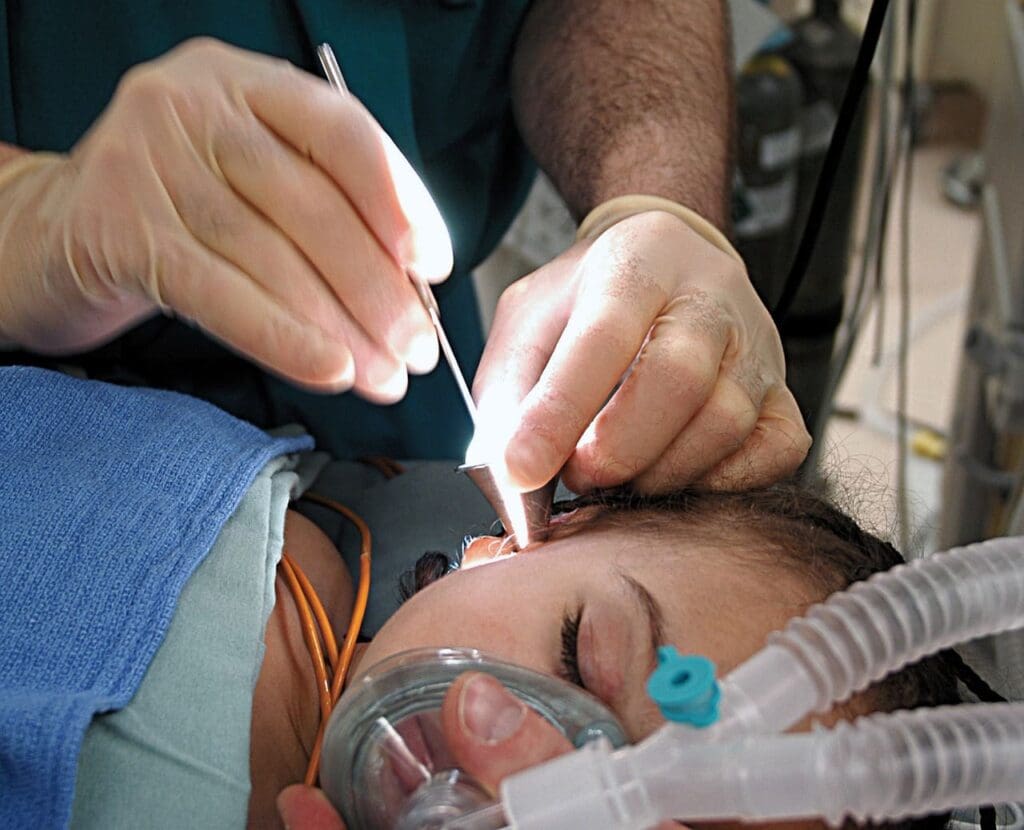
People often start with a simple timeline of the care they received in Custer, along with discharge papers, test results and any letters from the provider or the insurer.
Use the form on this page to be matched with an attorney in our network who handles South Dakota medical malpractice claims. Asking early leaves more time for records and expert review.
Frequently Asked Questions
What is the filing deadline for a malpractice claim in South Dakota?
Two years from the care, counted from when the alleged malpractice, error, mistake or failure to cure occurred (SDCL § 15-2-14.1).
How long does a family have after a death caused by malpractice?
Yes. SDCL § 21-5-1 provides the action, which must be commenced within three years after the death (SDCL § 21-5-3).
Is there a different notice rule for public hospitals in South Dakota?
Very fast: written notice within one hundred eighty days after the injury (SDCL § 3-21-2), and the notice does not toll the limitation period.
Does the two year deadline apply to hospitals and nurses?
Physicians, surgeons, dentists, hospitals, sanitariums, registered and licensed practical nurses, chiropractors and other practitioners of the healing arts, in contract or tort (SDCL § 15-2-14.1).
Does South Dakota limit what I can recover for medical malpractice?
Yes, for general damages: $500,000 in total, in court or arbitration, and no limit on special damages (SDCL § 21-3-11).
Where is a malpractice lawsuit from Custer filed?
SDCL § 15-5-8 lets the plaintiff choose the county where the cause of action arose, which for a Custer claim may be Custer County.
What if the patient was a minor when the injury happened?
Yes. SDCL § 15-2-22 leaves out the period of minority or mental illness, with limits on how far the period can be extended.
More Medical Malpractice Pages
Medical care often happens outside your own town; these pages cover other South Dakota communities.