

Instantly Connect For Your Personal Injury Consultation When Filling Out Form
Your Chickasaw, Alabama Personal Injury Attorney. Local Representation for Life’s Unexpected Accidents!
Chickasaw sits along the western banks of the Mobile River in Mobile County, built around its maritime and industrial economy. A crash on Highway 43, an injury at a shipyard, a fall at a local business on Craft Highway the financial and physical consequences arrive fast. Medical bills stack up before you return to work and an insurance adjuster calls within days asking questions designed to limit what you recover.
NeedAnAttorney.net connects injured Chickasaw residents with personal injury attorneys in the network who practice in Mobile County. Fill out the intake form and our system matches you with an attorney based on your injury type, accident details, and location. No call centers. No directories. Direct connection in seconds.
Alabama Personal Injury Law: What Applies in Chickasaw
Alabama uses pure contributory negligence, one of the strictest injury liability standards in the country. If you are found even one percent at fault for the accident that injured you, you recover nothing. Insurance adjusters in Alabama work aggressively to establish any degree of fault on your part because even a small assignment of blame eliminates your entire claim. Building a strong, evidence-backed case from the start is essential.
The standard statute of limitations for personal injury in Alabama is two years from the date of injury. Claims against government entities, including the City of Chickasaw or Mobile County, carry notice requirements that can come due in as little as six months. Missing those deadlines bars the government claim entirely regardless of its merit.
Personal injury cases for Chickasaw residents are typically filed in Mobile County Circuit Court. Attorneys who appear there regularly know the local procedures and how Mobile County juries evaluate damages.

Maritime Law: A Critical Exception for Chickasaw Workers

Chickasaw’s shipbuilding and port economy means that many injury cases here involve federal maritime law rather than Alabama state tort law and that distinction matters enormously for injured workers.
The Jones Act (46 U.S.C. § 30104) gives seamen, meaning workers who contribute to the function of a vessel in navigation, the right to sue their employer for negligence. Unlike Alabama’s pure contributory negligence rule, Jones Act claims use a comparative fault standard injured seamen can recover even if they were partly at fault, with recovery reduced only by their percentage of fault. This is dramatically more favorable than Alabama’s all-or-nothing contributory negligence standard.
The Longshore and Harbor Workers Compensation Act (LHWCA, 33 U.S.C. § 901 et seq.) covers dock workers, shipbuilders, harbor workers, and others who work on or adjacent to navigable waters but do not qualify as seamen under the Jones Act. The LHWCA provides federal workers compensation benefits that are typically more generous than Alabama’s state workers compensation system, and third-party negligence claims remain available alongside LHWCA benefits when a contractor, vessel owner, or equipment manufacturer contributed to the injury.
Workers at AUSTAL USA and other Mobile Bay area shipyards, port workers at the Port of Mobile, and others in the maritime industry may qualify for Jones Act or LHWCA protection depending on the specific nature of their work and where the injury occurred. Determining which legal framework applies to your situation requires early legal analysis from an attorney familiar with maritime law.
Types of Injury Claims Handled in Chickasaw
Motor Vehicle Accidents
Highway 43, Craft Highway, and the I-65 corridor generate vehicle crash volume in and around Chickasaw. Commercial truck accidents involving freight moving to and from the Port of Mobile are a consistent category on these routes, and may involve federal motor carrier regulations alongside standard Alabama negligence law. The Craft Highway and Highway 45 intersection is among the most active collision points in the area.
Shipyard and Maritime Injuries
Injuries on docks, vessels, and shipyard facilities may trigger Jones Act or LHWCA claims rather than standard Alabama workers compensation. The applicable framework depends on the worker’s role, the location of the injury, and the nature of the vessel or facility involved. These claims are governed by federal law and require an attorney with maritime injury experience. Recoverable damages under the Jones Act and general maritime law can include maintenance and cure, lost wages, and pain and suffering.
Workplace and Industrial Injuries
Chickasaw’s manufacturing, logistics, and construction operations generate workplace injury claims. Alabama requires most employers to carry workers compensation coverage. When a third party including a contractor, equipment manufacturer, or property owner contributed to a workplace injury, a separate personal injury claim may exist alongside or beyond workers compensation benefits.
Premises Liability
Property owners in Alabama owe a duty to maintain reasonably safe conditions for business visitors. Slip and fall claims at local businesses along Craft Highway, inadequate lighting in commercial parking areas, and dog bites are among the common premises liability claims in Chickasaw. Alabama holds dog owners liable for attacks when the owner knew of the dog’s dangerous propensities or the bite occurred due to the owner’s negligence in controlling the animal.
Wrongful Death
Alabama’s wrongful death statute is structured differently from most states. Rather than compensating surviving family members for specific financial losses, Alabama wrongful death damages are punitive focused on punishing the responsible party for the conduct that caused the death. The claim is brought by the decedent’s personal representative and the two-year deadline runs from the date of death. For maritime fatalities, federal general maritime law and the Death on the High Seas Act may apply instead of or alongside the Alabama wrongful death statute depending on where the death occurred.
How the Connection Process Works
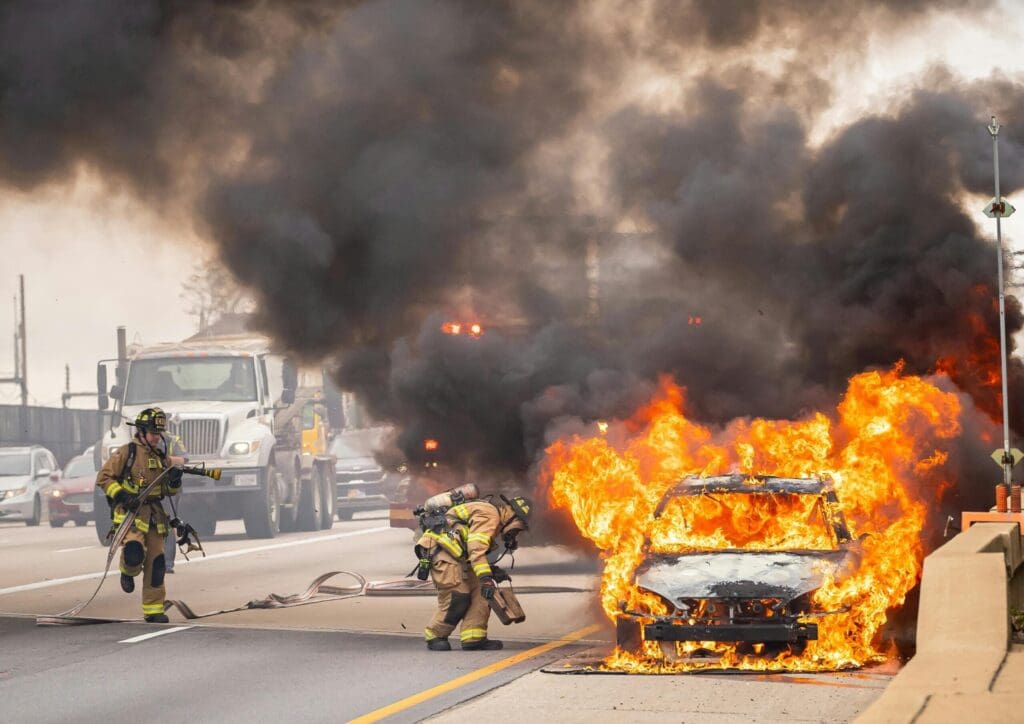
NeedAnAttorney.net is not a directory and not a call center. You fill out the intake form describing your situation and the system matches you with attorneys in the network who handle personal injury and maritime injury claims in Mobile County. Attorneys in the network offer a free initial case evaluation and typically work on a contingency fee basis, meaning attorney fees are paid from any recovery. Case expenses are handled separately and the attorney will explain their specific fee agreement before you commit to anything.
Why Acting Early Matters
Evidence has a short shelf life. Surveillance footage at accident locations is typically overwritten within weeks. Maritime employers are required to maintain logs and records but may resist producing them without legal compulsion. Witness recollections fade. An attorney involved early preserves the evidence that supports your claim before it disappears.
Alabama’s pure contributory negligence rule means the insurance company begins building its fault argument immediately. For maritime claims, Jones Act and LHWCA deadlines and procedures require early legal guidance to protect your options.
Personal Injury Attorneys in Nearby Mobile County Cities
- Mobile personal injury attorney — Mobile County seat, adjacent to Chickasaw, Mobile County Circuit Court location.
- Saraland personal injury attorney — Adjacent to Chickasaw, Mobile County.
- Alabama personal injury attorney — Statewide hub and Alabama injury law overview.
Other Legal Help in Chickasaw
Time To Start The Intake Process
- Fill out the form on this page.
- Our AI will connect you instantly with a trusted Chickasaw personal injury attorney.
- You’ll receive a free consultation where you can discuss your case and explore your legal options.
Time is critical. The sooner you act, the stronger your claim will be.
