

Instantly Connect For Your Personal Injury Consultation When Filling Out Form
Your Decatur Personal Injury Attorney
If you were hurt and someone else may have been to blame, you probably have a long list of questions and not much patience for legal vocabulary. This page, written for readers in Decatur, tries to keep things plain. It shows where a few public records are listed, summarizes several Indiana rules that come up often, and suggests ways to prepare for a first conversation with a lawyer. It is general information. Your own situation turns on facts that only someone who has read your papers can weigh.
Start with the report if a crash was involved. The Indiana State Police crash reports page says the agency maintains the central repository of all crash reports for the State of Indiana.
Medical records are the next common need. According to the Indiana Department of Health hospital directory for Decatur, posted in 2021, Adams Memorial Hospital is listed at 1100 Mercer Avenue, Decatur, Indiana, and that entry is on the state hospital directory page for Decatur.
Court locations are collected in one document. The Indiana judiciary’s directory of courts and clerks lists the Adams County clerk’s office and the Circuit Court at 112 S. 2nd Street in Decatur, and the Superior Court at 122 South 3rd Street. Whether your matter would ever need a court is for a lawyer to discuss with you.
Next, the rules. In an action based on fault, section 34-51-2-6 of the Indiana Code bars the claimant from recovery if the claimant’s contributory fault is greater than the fault of all persons whose fault proximately contributed to the claimant’s damages; the wording is at the Indiana Code chapter on comparative fault.
A second provision, section 34-51-2-5, deals with the effect of the claimant’s own fault on the amount. It provides that contributory fault chargeable to the claimant diminishes proportionately the compensatory damages awarded in an action based on fault, but does not bar recovery except as provided in section 6.
Then deadlines. Subsection (a) of section 34-11-2-4, published in the Indiana Code chapter on limitation periods, says an action for injury to a person or character, or injury to personal property, must generally be commenced within two years after the cause of action accrues. Subsections (b) to (d) set separate rules for some actions for injury to a person that result from the sexual abuse of a child. A lawyer can say whether any of that touches your situation.
Other pages in the state include personal injury attorneys in Wabash and the Indiana personal injury attorneys overview.

What To Look For When Hiring Your Personal Injury Attorney

After a crash or a fall, evidence has a way of disappearing. Vehicles are repaired, stairs are fixed, video is overwritten, and memories blur. If you are well enough, do a few simple things soon. Photograph what you can from several angles, including the surroundings and any signs or lighting. Write down the names and numbers of anyone who saw what happened. Keep damaged clothing and shoes as they are, in a bag, without washing them.
Then think about records you can request later. Medical offices, repair shops and employers can all supply papers on request, and a lawyer can often tell you which ones are worth asking for. What matters at the start is knowing that they exist.
A first meeting goes better when you arrive with a short list of topics:
- what happened, told in order
- who was involved and how to reach them
- the treatment you have had so far
- how the injury has changed your work and home life
- which insurers have contacted you and what they asked
Take notes. Many people find it hard to remember the explanations they received, and a page of notes helps when you compare lawyers afterward. If you cannot attend in person, ask whether a call or video meeting can be arranged.
Questions to put to a lawyer:
- Which parts of my account look strongest, and which look uncertain?
- Who in your office will I deal with from week to week?
- How are costs and fees explained, and will the terms be in writing?
- How will decisions be made, and which ones are mine?
Pay attention to the answers and to the way they are given. Clear, patient explanations are a good sign. Pressure to sign immediately, or promises about what will happen, are reasons to slow down.
Worth looking for:
- State Specific Expertise
- Personalized Attention
- Clear Communication
If an insurer for the other side calls before you have decided what to do, you may say that you will be in touch. Write down the caller’s name, the date and what was asked. Do not guess about medical details or speed, distance and timing. If you do not know, say so. An honest admission of uncertainty does far less harm than a confident answer that turns out to be wrong, and a lawyer can help you decide how to respond to questions that reach into areas you have not yet sorted out.
Intake form for an injury matter in Decatur
Personal Injury Types of Cases
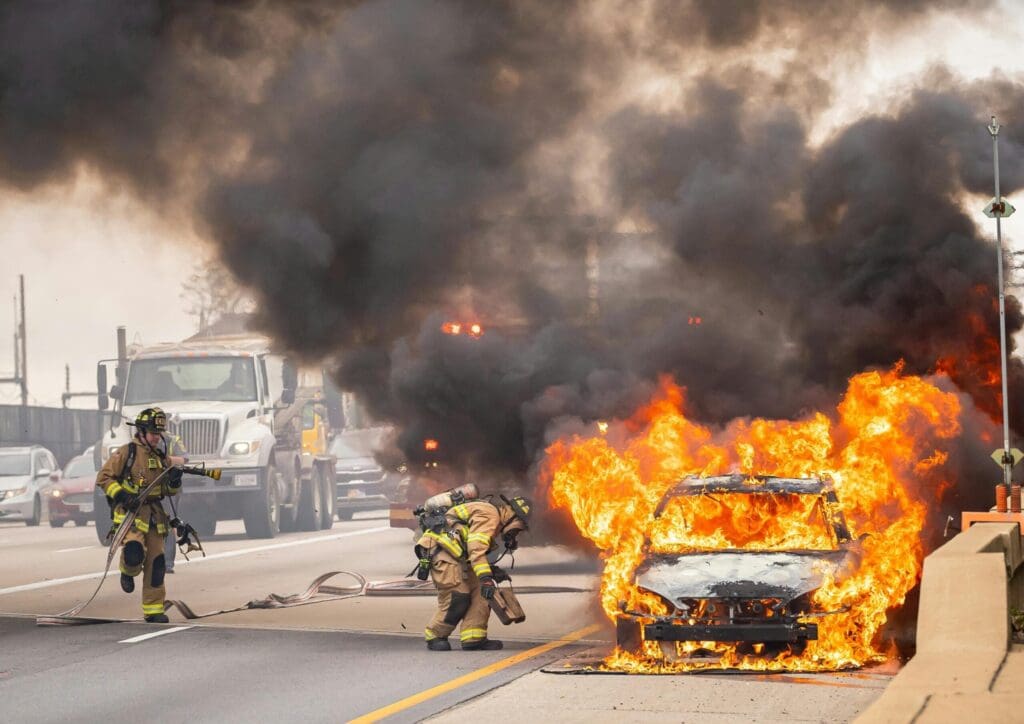
People bring injury matters of many kinds, and the headings below cover the more usual ones. An incident can belong under several headings. Which rules apply depends on the facts, and a lawyer can help decide.
Motor Vehicle Accidents
Fault is the first question after most crashes, and the answer depends on what each driver did, the road and weather, and what the vehicles show. Matters under this heading include:
- Aggressive Driving
- Tractor trailer accidents
- Truck Accidents
- Motorcycle crashes
- Distracted Driving
- Car Accidents
- Drunk Driving
- Bicycle Accidents
- and other motor vehicle accidents
The rules on insurance matter here too. Section 9-25-4-5 of the Indiana Code, in its chapter on financial responsibility, sets minimum financial responsibility amounts of $25,000 for bodily injury to or the death of one individual and $50,000 for bodily injury to or the death of two or more individuals in any one accident. A minimum can differ from the coverage actually in place, so ask what coverage applies.
Premises Liability
A person who controls property is expected to keep it from endangering others. Some common examples:
- Broken Stairs
- Places to receive chemical exposure
- Dog bites
- Surfaces that are uneven
- Unlit alleyways
- Places to receive burns
- Slippery Floors
- and other unsafe conditions
Photographs taken before repairs begin help show what the condition was.
Dog Bites
When a dog injures someone, questions arise about who owned or controlled the animal and what the circumstances were. Keep photographs of the wound as it heals, note where and when it occurred, and save all medical papers.
Work Place Accidents
Job injuries come in many forms, from a slip on a loading dock to a crash in a company truck. Benefits through the employer are one subject, and the part played by anyone outside the company is another. Use the reporting steps your workplace sets, and keep copies.
Events and conditions that come up:
- Slip and Fall
- Electrical Hazards
- Unmaintained equipment
- Occupational illnesses like chronic lung disease and contagious diseases
- Death
- Unsafe working conditions
- Auto Accidents
- other personal injuries at work
Wrongful Death
A family that has lost someone to another person’s wrongful act has urgent questions. Section 34-23-1-1, in the Indiana Code chapter on wrongful death actions, says that when the death of one is caused by the wrongful act or omission of another, the action shall be commenced by the personal representative of the decedent within two years. A lawyer can explain how that rule would work for a given family.
Events that come up here:
- Drowning
- Firearm
- Maritime Accident
- Helicopter Accident
- Auto Accident
- Falls
- Fire
- Electrocution
- and other types of wrongful deaths
Product and Medical Care Injuries
Goods that are unsafe in ordinary use can hurt people, and treatment can fall below the care a careful provider would give. Keep the product, any packaging and every record you are given. Photograph the item exactly as it is, and avoid cleaning or repairing it before a lawyer has seen it.
Losses and a Ceiling on Punitive Awards
Categories of loss that people ask to have counted:
- medical bills, now and in the future
- wages lost and reduced ability to work
- pain, and the limits it sets on everyday life
- damage to property
- lasting injury or disability
On one type of award the code sets a ceiling. Section 34-51-3-4, in the Indiana Code chapter on punitive damages, says a punitive damage award may not be more than the greater of three times the compensatory damages awarded in the action or $50,000. A lawyer can tell you whether punitive damages are even relevant.
Questions on trademarks, creative works and business names go to a page of their own, intellectual property attorneys in Decatur.
Use the form on this page to send a short description of your matter
How To Start The Personal Injury Attorney Indiana Decatur Intake Process

Whenever you are ready, the form on this page is the way forward. It asks how to reach you and for a short account of what happened. Plain words are fine, and a detail you are unsure about can stay out.
It helps to have these at hand:
- the date of the incident and its location
- the people or companies involved
- the name of any insurer that has been in touch
- the providers who have treated you
- the number of any police report
- the days of work you have missed
Do not wait to find everything before you send the form. Missing pieces can be added when someone follows up, and an honest blank is better than a wrong answer. Describe events in the order they happened and mention symptoms that have continued. If an insurer asked you to sign a form or give a statement, say so.
Think about how you want to be contacted. Give a phone number you answer and an email address you read, and say if some hours are better than others. If you need an interpreter or any other accommodation, mention it at this stage.
Using the form is a request to talk. It does not commit you, and this page says nothing about price, results or timing.
Readers can also look at personal injury attorneys in Peru and personal injury attorneys in Noblesville.
Frequently Asked Questions
Where do I start if I need a copy of a crash report?
The State Police crash reports page is the place to look first, since it says the agency maintains the central repository of all crash reports for the State of Indiana.
Is the Superior Court at the same address as the Circuit Court?
The court directory lists them at different addresses: 122 South 3rd Street for the Superior Court, and 112 S. 2nd Street for the clerk’s office and the Circuit Court.
Should I keep the clothes I was wearing?
Yes, if they were damaged or stained in the incident. Put them in a bag, do not wash or repair them, and tell the lawyer you have them.
What if the other side’s insurer wants a recorded statement?
You do not have to agree on the spot. Ask what the statement would be used for, and consider speaking with a lawyer before you give one.
Can I wait to see how I feel before starting treatment?
Your health comes first, so seek care if you are hurt. Describing the injury honestly to a provider also creates a record from the time it happened.
