

Instantly Connect For Your Personal Injury Consultation When Filling Out Form
Your Barrington Personal Injury Attorney
When someone you love is hurt, you often become the person who makes the calls, collects the papers and remembers the appointments. That role is demanding, and it comes with its own questions about what to keep, what to sign and who should speak for whom. This page is written for readers in Barrington, whether the injured person is you or a relative you are helping. It gives a general overview of personal injury matters, two reference facts from state pages and two state rules that tend to arise early. It is not advice about any one situation, and a lawyer who has seen the records is the person to say how it applies.
The Judicial Branch page for Strafford Superior Court lists the courthouse at 259 County Farm Road, Suite 301, in Dover, open Monday to Friday, 8:00am to 4:00pm. Because that is a Dover address, ask the clerk’s office where a particular filing or hearing would be handled before you go.
Insurance proof comes up after a crash. The state Division of Motor Vehicles page on accident reports says that after a police investigation, operators or vehicle owners may verify insurance online or with the Insurance Verification Form DSMV 385.
Shared fault is the first legal subject in many conversations. According to the text of RSA 507:7-d, the plaintiff’s fault does not bar recovery if it was not greater than the fault of the defendant, or the defendants in the aggregate, though the damages awarded are diminished in proportion to the plaintiff’s fault.
The second subject is time. In RSA 508:4, the legislature wrote that personal actions, except actions for slander or libel, may be brought only within 3 years of the act or omission complained of. There is a discovery exception when the injury and its causal relationship to the act or omission could not reasonably have been discovered at that time. Ask a lawyer whether the section reaches the matter you are dealing with and when the period began.
Readers in nearby communities may also visit the page for personal injury attorneys in Rochester, or the broader New Hampshire personal injury attorneys page.

What To Look For When Hiring Your Personal Injury Attorney

If you are helping a relative, start by asking what they want. Some people want a family member to handle everything, and others want to stay in charge of every decision. Be clear about that early, and let the injured person speak for themselves whenever they are able. When they are not able, ask a lawyer who may act on their behalf and what papers that requires, since the answer depends on facts that this page does not know.
Roles that often help when more than one person is involved:
- one person who keeps the folder of bills and letters
- one person who talks to providers and writes down what was said
- one person who deals with the insurer, if the injured person agrees
- a backup who knows where everything is kept
Share information in writing when you can, such as a short group message, so everyone has the same facts. Mixed accounts are a common source of confusion.
Care is the center of the process. Go to appointments, take notes and ask for instructions to be written down. If a relative has trouble describing symptoms, help them keep a daily note. Include sleep, appetite, mood, mobility and anything they could do last week but cannot do now. Caregivers often notice changes before the injured person does, and a dated note from a family member can be a useful record.
Keep track of what the injury costs the household, too. That can include time you take off work to help, rides, supplies and changes to the home. Keep receipts, and write down hours with the date. A lawyer can tell you whether and how such items matter.
A few qualities can help when you compare lawyers:
- knowledge of local conditions: the kinds of places where events occur
- clear client communication: how you will hear about developments
- local expertise: background with the kinds of events people describe
- personalized strategy: an approach tailored to your circumstances
Questions you might bring to a lawyer when you are acting for someone else:
- Who has to sign, and who does not?
- How will you communicate with the injured person and with me?
- What information do you need from me, and what only from the injured person?
- How should I handle calls from an insurer?
- What should I avoid writing in messages and online posts?
Be careful with what is said to insurers. A relative may feel obliged to explain the event in detail, but a casual account can differ from the injured person’s own memory. It is fine to say that the injured person will respond once the records are in order, and to ask that questions be sent in writing.
Finally, take care of yourself. Helping through a long recovery can wear a person down, and it is reasonable to ask other family members to take on specific tasks.
Intake form for an injury matter in Barrington
Personal Injury Types of Cases

The headings below group common injury matters by how they start. Some matters fit more than one heading.
Work Place Accidents
Someone hurt on the job may have workplace benefit questions and questions about people outside the employer. Keep a copy of anything submitted to the employer and note the names of co workers who saw the event. If a relative is unable to write the account, ask them to describe it aloud and take notes, then read the notes back to them. Dates, locations and the tasks being done at the time are the details most worth getting right.
Events at work that raise these questions include:
- slip and fall
- electrical hazards
- auto accidents
- unmaintained equipment
- personal injuries at work
- occupational illnesses like chronic lung disease and contagious diseases
- death
- unsafe working conditions
Premises Liability
Stores, landlords and other property holders are expected to keep their property reasonably safe. Hazards include:
- surfaces that are uneven
- slippery floors
- dog bites
- places to receive burns
- unlit alleyways
- places to receive chemical exposure
- broken stairs
- and other dangerous conditions
Photograph the area, and if you are helping an injured relative, take the pictures yourself so they do not have to return. Include a wide view that shows where the hazard sits, a close view that shows its size, and a view that shows what was nearby, such as a door, a sign or a light fixture. Record the date and time on each, and keep the original files rather than only copies sent by message.
Wrongful Death
If an injury ends in a death, relatives usually want to understand who may start a claim and what it may include. A lawyer can go through the rules that apply to the death in question. In the meantime, keep any report, bill or letter that exists.
Deaths can follow events such as:
- helicopter accident
- falls
- firearm
- maritime accident
- electrocution
- drowning
- auto accident
- fire
- and other types of wrongful deaths
Motor Vehicle Accidents
Vehicle crashes often involve several drivers and several insurers. Examples include:
- aggressive driving
- bicycle accidents
- distracted driving
- truck accidents
- car accidents
- drunk driving
- motorcycle crashes
- tractor trailer accidents
- and other types of motor vehicle accidents
RSA 259:61 sets out what counts as a motor vehicle liability policy, and its text on the state legislature website describes limits of at least $25,000 for injury or death of one person, $50,000 for one accident with more than one person hurt, and $25,000 for property damage. The statute does not say what a given driver carried, so questions about actual coverage need their own answers.
Public property and government bodies
If a town or city might be connected to a hazard, RSA 507-B:7 matters. Its text on the state legislature website sets a notice requirement for claims against a governmental unit. Notice to the town or city, or to its insurer, may be required promptly, although exceptions exist. For the exceptions, for who must receive notice and for how it must be given, ask a lawyer, and do not assume that notice to an insurer meets the statute.
Medical care injuries
Harm can follow treatment, such as a delayed diagnosis or a mistake with a medicine. Records are the starting point. Ask for complete copies and keep what you have, including discharge papers, medication lists and the names of everyone who took part in the care. A lawyer can explain how those records are usually reviewed, and a relative who attends appointments can help by noting what was said.
Punitive damages
The statute at RSA 507:16 provides that no punitive damages shall be awarded in any action unless a statute provides otherwise.
Disputes over a brand, a logo or a creative work are covered on the page for intellectual property attorneys in Barrington.
Use the form on this page to send a short description of your matter
How To Start The Personal Injury Attorney New Hampshire Barrington Intake Process
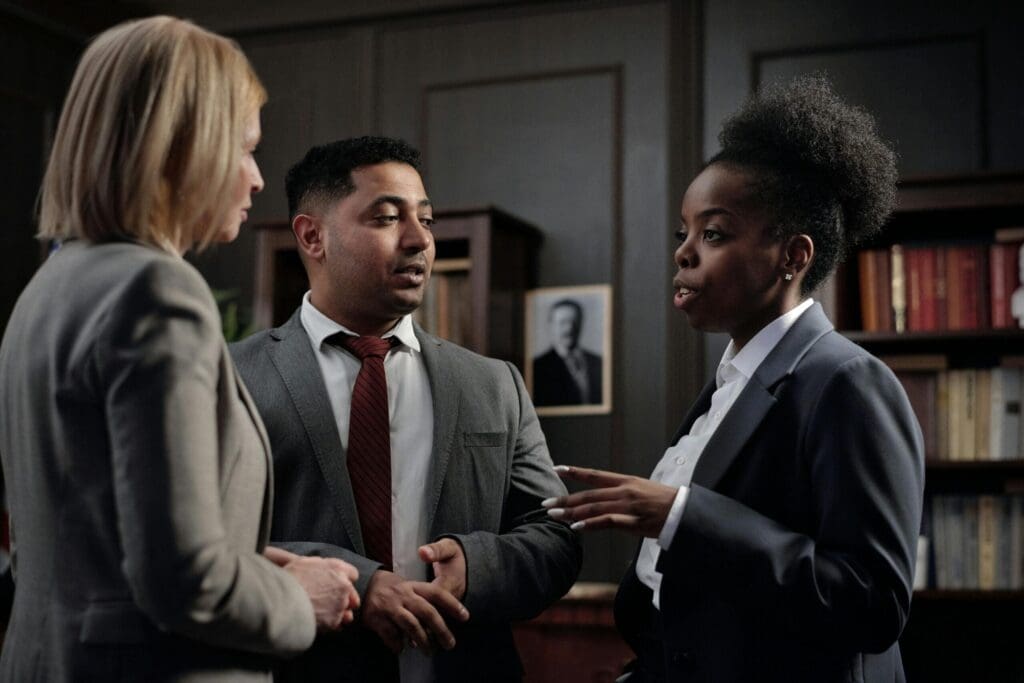
When you are ready, the form on this page is the next step, whether you are describing your own injury or one that happened to someone close to you. Leave a way to reach you, say who you are in relation to the injured person if it is not you, and give a short description of what happened.
Have these items nearby if you can:
- the date and place of the incident
- the name of the injured person
- the providers who have treated them
- any insurance claim number
- any police or incident report number
If a detail is unknown, say so. A short, honest account is more useful than a long one that guesses. List events in order, mention continuing symptoms and note any work missed, either by the injured person or by you while helping.
If the injured person is a child or an older adult, describe their situation in the same plain way and say who normally helps them with decisions. The reader of the form will need to know whom to contact and whether that person is aware you are writing. If the injured person is not yet able to take part, say that as well, and give a time of day when a call is convenient.
Nobody is bound by sending the form, and this page makes no prediction about how a matter will end, how long it will take or what it will cost. Those answers wait for the documents.
You can also visit the pages for personal injury attorneys in Farmington and personal injury attorneys in Epping.
Frequently Asked Questions
Can a relative fill out the form for an injured person?
The form asks for a way to reach you and a short description. If you are writing for someone else, say so and say how you are related. A lawyer can explain who may act for the injured person.
How can drivers verify insurance after a police investigation?
The state Division of Motor Vehicles page says that after a police investigation, operators or vehicle owners may verify insurance online or with the Insurance Verification Form DSMV 385.
When is Strafford Superior Court open?
The Judicial Branch page lists the courthouse at 259 County Farm Road, Suite 301, in Dover, open Monday to Friday, 8:00am to 4:00pm. Check with the clerk about where a matter would be handled.
Who should speak to an insurer for an injured relative?
That depends on the injured person’s wishes and on what the insurer asks for. A lawyer can explain who may act for an injured person and how to answer an insurer’s questions.
Should I keep notes about a relative’s recovery?
Yes. Short dated notes about sleep, mood, mobility and the tasks the person cannot do give a clearer picture than memory, and a family member often notices changes first.
