

Instantly Connect For Your Personal Injury Consultation When Filling Out Form
Your Artesia Personal Injury Attorney
Memory is the first casualty of a stressful event. Within days the order of things blurs, the color of a signal or the exact spot on a stair becomes uncertain, and a bystander’s name slips away. For readers in Artesia, that is where the practical side of a personal injury claim begins: write down what you know while you still know it. A claim asks a person or a business to pay for harm that carelessness caused, and it depends on an account that holds together when other people examine it. This page offers a general picture of the process, a few published addresses and a short guide to preparing before you use the form. The details of each event decide how any rule applies, so treat it as background and not as advice.
One notebook, kept in a single place, does more than scattered notes on phones and envelopes. Put the date at the start of each entry, add what you felt and what you did that day, and note every person you spoke with about the accident. Entries written at the time carry more weight than a summary prepared months afterward, and they spare you from trying to rebuild a timeline from memory when someone asks for it.
Two statements about state law are worth reading slowly. In its 2015 opinion Williams v. Rodriguez, available as the opinion text, the New Mexico Court of Appeals says New Mexico has adopted a comparative fault analysis of tort claims. As for time limits, a news release from the New Mexico Administrative Office of the Courts in May 2026 describes the state statute of limitations for personal injury claims as three years from the date of the accident, and it can be read at the courts’ release. Neither statement answers a question about your own accident.
Court listings come from the district’s own pages. The Fifth Judicial District page lists the Artesia Magistrate Court at 109 N. 15th St. in Artesia, and it lists the Eddy County District Court at 102 N. Canal St. in Carlsbad. Artesia General Hospital’s own website lists its main contact address as 702 N. 13th Street in Artesia. Addresses and hours can change, which is a good reason to check the source before you go.
A reader who is closer to a different community can visit the page for personal injury attorneys in Carlsbad or the page for personal injury attorneys in Roswell. The overview of the whole state is New Mexico personal injury attorneys.

What To Look For When Hiring Your Personal Injury Attorney

Choosing a lawyer is a comparison, and the fairest way to compare is to ask each candidate the same things. Write your questions down beforehand so the conversation does not drift toward whatever the other person finds easiest to discuss. Questions that tend to produce useful answers:
- Which parts of this work would you do yourself, and which would others in the office handle?
- How often should I expect an update, and in what form?
- What do you need from me first?
- What are the main risks you see in a matter like mine?
- How would a settlement offer be explained to me before I decide anything?
- What should I avoid doing while the matter is open?
Pay as much attention to how questions are answered as to what the answers say. Clear, patient replies are a good sign. Vague replies, or replies that turn every question back into a request to sign, deserve a second look.
Bring organized paperwork, since it lets the conversation start from facts. Helpful items include:
- a written timeline from the event to today
- a list of every medical provider, with the dates you were seen
- your employer’s name, your usual schedule and the dates you missed
- photographs of the scene, the vehicles or the hazard
- contact and insurance details for the other side
- anything you wrote or received about the accident, including emails and texts
Once a lawyer is working with you, communication runs both ways. Say how you prefer to be reached and what times suit you. Report changes in your health, a new provider or a missed appointment, because each can affect how a matter is described. Ask who sees your medical records and for what purpose before you sign any authorization, and ask to have unfamiliar forms explained.
Tell the whole story, including parts you find awkward. Earlier injuries, gaps in treatment and prior claims are things a lawyer would rather hear from you than from the other side. Withholding them rarely helps and can make a later discussion harder.
Finally, keep your habits steady. Attend appointments, follow the treatment advice you are given, and avoid posting about the accident or your recovery. If someone offers money quickly, take time to learn what you would be giving up before you accept.
Intake form for an injury matter in Artesia
Personal Injury Types of Cases
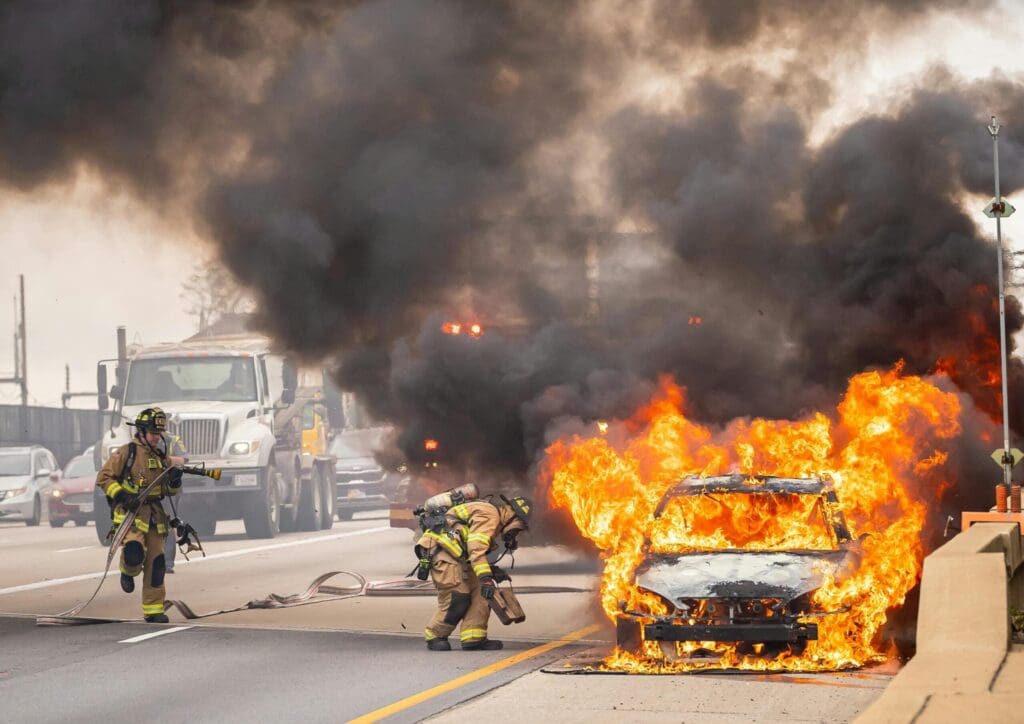
Injury matters tend to cluster, and a lawyer will usually begin by asking which cluster yours resembles. The headings below describe common situations in plain terms. They are not predictions. Defective products and harm that occurs during medical care are two further clusters, and the second tends to depend on detailed records and on review by qualified people.
Falls and hazardous property
People who own or control a place are expected to keep it from endangering others. Many matters in this group begin with a small hazard that stayed unrepaired. Record the condition with photographs and note the date and anyone who saw it. Typical situations:
- a chemical splash
- paving in poor repair
- an injury from an open flame
- a stairwell where the lights had failed
- an attack by a dog that was not restrained
- a wet floor with no warning
- damaged steps at an entrance
- any other hazard that put visitors at risk
Crashes on the road
Road cases involve cars, pickups, heavy trucks, motorcycles, bicycles and the people in or near them. Disputes in this group often center on who was at fault, which policy applies and what the medical record shows. Typical situations:
- a crash with a freight truck
- a crash with a driver not watching the road
- a crash caused by a driver who had been drinking
- a crash on a highway or local road
- a collision between a bicycle and a car
- a motorcycle struck at an intersection
Coverage rules matter after a crash. The New Mexico Motor Vehicle Division says a liability policy must cover at least $25,000 for injury or death of one person, $50,000 for two or more persons, and $10,000 for property damage in any one accident, as shown on the Motor Vehicle Division page about required insurance. The statement concerns what a policy must cover and does not forecast the size of a claim.
Injuries at work
A job injury often brings an employer’s insurer into the picture, and a claim against a third party may exist alongside it. Medical records and employer records both matter. Typical situations:
- a task done without proper protection
- gear that had not been inspected
- electrical hazards
- falls inside a work area
- a delivery trip that ended in a crash
- lung disease that followed years at a job
Fatal injuries
When negligence is linked to a death, relatives often ask who may act on behalf of the person who died and which deadlines apply. Compensation in these matters can include items that differ from other injury claims. Typical situations:
- a swimming or boating death
- a fire that killed
- a fatal highway crash
- falls
- electrocution at work or at home
- a helicopter crash
- a death caused by a firearm
Claims involving the state
Injury claims involving the state have their own rules. The New Mexico General Services Department, quoting Section 41-4-16 of the Tort Claims Act, says a person claiming damage or injury from the state must present a written notice to the Risk Management Division within ninety days after the occurrence. If a state agency may be connected to your injury, tell a lawyer at the first opportunity.
Questions about trademarks, written works or other business and creative property are handled on a separate page for intellectual property attorneys in Artesia.
Use the form on this page to send a short description of your matter
How To Start The Personal Injury Attorney New Mexico Artesia Intake Process
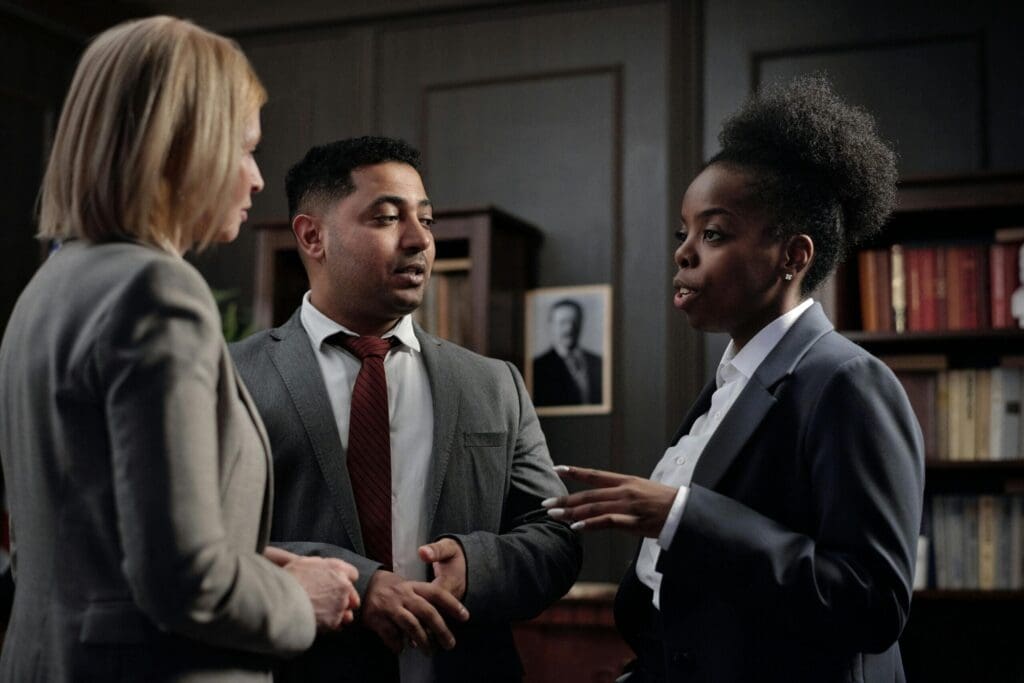
After you read the page, the form is the practical next step. It is meant as a plain introduction. Completing it does not commit you to anything, and it does not start a case by itself. These details help:
- when and where the incident took place
- what happened, in a few sentences
- who else was involved, by name if you have it
- your insurer and the other side’s insurer, if known
- the treatment you have had and where
- how and when you would like to be contacted
You do not need to attach records. A mention such as “I have photographs and discharge papers” is enough. Where your memory is incomplete, say so, because an honest gap is easier to work with than an error.
The form does not promise a price, a result or a speed of response, and it is not legal advice. It simply carries your facts to a person who can read them. Until someone replies, continue to save paperwork and add to your notes. Keep a copy of whatever you send, so that you can see later exactly what was said.
Other communities have their own pages too, among them personal injury attorneys in Lovington.
Frequently Asked Questions
Where is the Artesia Magistrate Court listed?
The Fifth Judicial District’s own page lists the Artesia Magistrate Court at 109 N. 15th St. in Artesia. Check the page for current hours before visiting.
Which city is the Eddy County District Court in?
The same district page places the Eddy County District Court at 102 N. Canal St. in Carlsbad, not in Artesia. A lawyer can explain which court a particular claim belongs in.
What address does Artesia General Hospital publish?
The main contact address on Artesia General Hospital’s own website is 702 N. 13th Street in Artesia. In an emergency, call for help before searching for any address.
What insurance must a driver carry?
The New Mexico Motor Vehicle Division says a liability policy must cover at least $25,000 for injury or death of one person, $50,000 for two or more persons, and $10,000 for property damage in any one accident. That is a floor for coverage and not a statement about any claim.
How should I describe my symptoms to a provider?
Mention every symptom, including ones that seem minor. Medical records are later read as a timeline, and they show when each problem first appeared.
