

Instantly Connect For Your Personal Injury Consultation When Filling Out Form
Your Cando Personal Injury Attorney
The days after an injury are mostly practical. Someone has to get treatment, someone has to tell an employer or an insurer, and somewhere in the middle a person begins to wonder whether the event amounts to a legal claim. This page speaks to readers in Cando who are at that stage. It gathers a few reference points for the area, describes how some state rules fit around an injury matter, and shows how to reach out through the form below.
If a crash is part of what happened, the North Dakota Highway Patrol page says a crash report is accessed through an online request from the NDDOT website and that a report costs $7.00.
Two other places often come up. Towner County Medical Center’s own contact page lists hospital and clinic reception at 228 1st Ave in Cando. For anything that ends up in court, the North Dakota court system’s page for Towner County gives the district court address as 315 2nd St in Cando.
Turning to the law, one provision deals with how much of the blame a person carries. Section 32-03.2-02 of the North Dakota Century Code is posted as North Dakota law text, N.D.C.C. 32-03.2-02. It says contributory fault does not bar recovery unless the claimant’s fault was as great as the combined fault of all other persons, and damages are reduced in proportion to the claimant’s fault.
Another provision sets a clock. Section 28-01-16 of the North Dakota Century Code, in the North Dakota law text, N.D.C.C. 28-01-16(5), says the actions it lists must be commenced within six years after the claim for relief has accrued. It speaks only of the actions it lists, so how it touches a particular situation is for a lawyer to work out from the facts.
Readers who want a wider view can open North Dakota personal injury attorneys, and the page for a nearby community covers personal injury attorneys in Devils Lake.

What To Look For When Hiring Your Personal Injury Attorney

Think of the first conversation with a lawyer as a two way interview. You are describing what happened, and the lawyer is describing how the work would go. Both halves matter. If the lawyer asks many questions but offers little about how the matter would be handled, ask for more detail on the process.
It helps to arrive with documents sorted by type, because a stack of loose papers slows everyone down. A simple folder system works well:
- medical: visit summaries, imaging, referrals, prescriptions
- money: bills, receipts, pay stubs, statements from a plan or insurer
- the event: photographs, video, repair estimates, any report
- people: names and numbers of witnesses, treating providers, employers
- communications: letters, emails and texts about the matter
If you cannot find something, say so. Many records can be requested from the source after the fact.
Questions that bring out useful answers include these:
- What is the first thing you would do if you took this matter?
- Which parts of what I have described worry you?
- What will it cost me, and how are those terms put in writing?
- Who will I be dealing with, and how quickly are messages usually returned?
- Is there anything I should be doing differently starting today?
Some cautions apply no matter who you hire. Keep your own account private from the public, which means no posts, photos or comments about the event. Say less rather than more to an adjuster you have not met, and do not agree to anything you cannot read at your own pace. Go to follow up appointments, because gaps in treatment are easy for another side to point to.
A second point about honesty. Lawyers plan around what they know. If you were rushing, or had a drink earlier, or were using a phone, the lawyer should hear about it from you first. Facts like these do not always sink a matter, and they are handled better when they are known from the beginning.
Last, consider writing down a short list of what matters most to you. Some people care most about covering costs, others about getting an explanation, and others about preventing a repeat. Saying so helps a lawyer shape the conversation toward what you actually want.
Intake form for an injury matter in Cando
Personal Injury Types of Cases
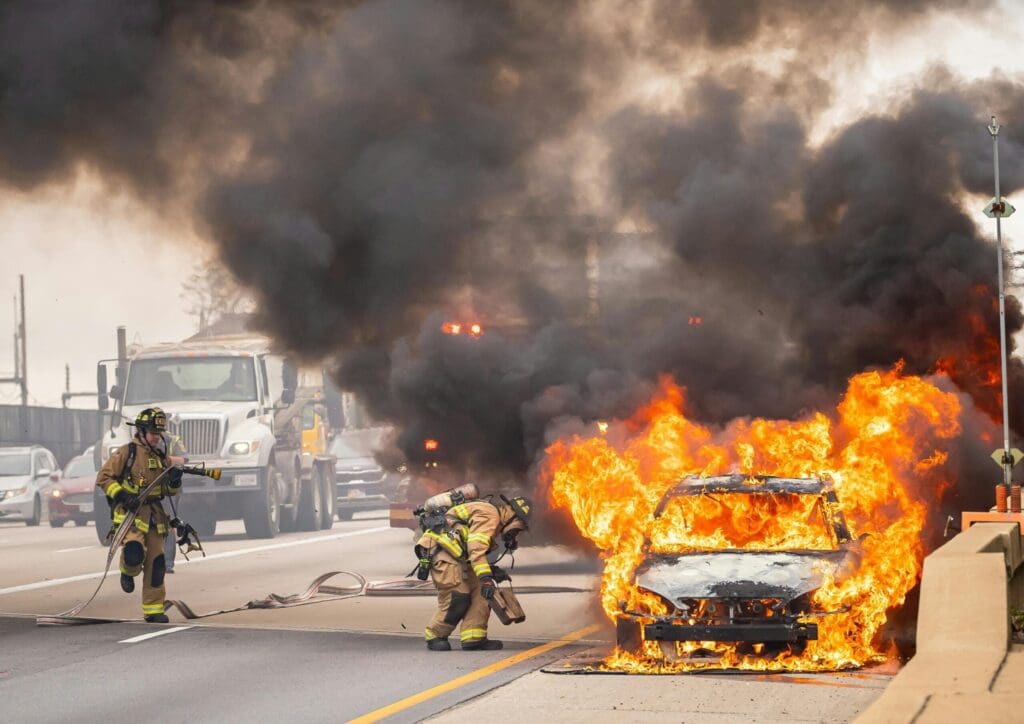
Injury matters are sorted into categories mainly for convenience. Real events cross lines, so treat the headings below as a guide to the usual groupings.
Premises Liability
Owners and occupiers of property are expected to take reasonable care that visitors are not put in danger. When they fall short, an injury can follow. Familiar examples include:
- cracked or missing steps and unsteady rails
- dark hallways, alleys and lots
- floors that are slippery without a warning
- surfaces that are buckled or uneven
- harm from chemicals or from burns
- bites from dogs
- any other unsafe condition on another person’s property
Work Place Accidents
An injured worker may be looking at workplace benefits and may separately be asking whether someone outside the employer, such as a manufacturer, played a part. Situations reported under this heading include:
- a fall or slip on the job
- unsafe conditions that were known and not fixed
- tools or machines that were not maintained
- vehicle crashes during a work trip
- contact with electricity
- sickness traced to exposure at work
Motor Vehicle Accidents
Collisions turn on facts: what each driver did, how the road looked, and what the damage shows. Matters here include passenger cars and pickups, large commercial trucks, motorcycles, bicycles, and crashes involving impairment, distraction or recklessness.
Wrongful Death
When a death follows an injury, family members commonly ask who has a right to bring a claim and what it may include. Deaths of this kind follow vehicle crashes, boating and aircraft accidents, drowning, electrocution, falls, fires and firearm incidents, among other events.
The state has a provision on when a claim after a death begins to run. Section 28-01-18(4) of the North Dakota Century Code, in the North Dakota law text, N.D.C.C. 28-01-18(4), says that in an action for injuries done to the person of another when death ensues, the claim for relief is deemed to have accrued at the time of the death of the party injured.
Claims Against the State
If a state agency or a state employee is said to be responsible, a separate set of rules applies. Section 32-12.2-04 of the North Dakota Century Code says a person bringing an injury claim against the state or a state employee presents written notice to the director of the office of management and budget within one hundred eighty days after the injury is discovered or reasonably should have been discovered.
Product, Medical Care and Money Losses
A defective or unsafe product can lead to a matter, as can a mistake in a diagnosis or treatment plan. Keep the item and its packaging, and request your complete records.
Section 39-16.1-11 of the North Dakota Century Code describes a motor vehicle liability policy for proof of financial responsibility with limits of twenty five thousand dollars for one person and fifty thousand dollars for two or more persons in one accident for bodily injury or death. Actual policies can differ.
Losses people ask to have considered include medical costs, lost pay, pain, property damage, lasting limits on daily life and the loss of ordinary activities. For exemplary damages, section 32-03.2-11(4) of the North Dakota Century Code says exemplary damages may not exceed two times the compensatory damages or two hundred fifty thousand dollars, whichever is greater.
For a trademark, a copyright or another dispute about a business or a creative work, use the page for intellectual property attorneys in Cando.
Use the form on this page to send a short description of your matter
How To Start The Personal Injury Attorney North Dakota Cando Intake Process
The form on this page is built for a first, brief message. Give a way to reach you and a short account of the event. You do not need legal language, and you should not fill gaps with guesses.
Ahead of time, jot down these items so the form goes quickly:
- the day and the place where it happened
- anyone else involved, such as a driver, a store or an employer
- the doctors or clinics you have seen
- insurer letters or claim numbers
- a report number, if an officer or a manager wrote something up
Honest uncertainty is fine. Writing that you are not sure of a date is better than naming one that proves wrong.
When you describe the event, start at the beginning and move forward. Mention symptoms that continue, any time away from work, and who you think may be responsible. Records can follow later, so there is no need to wait until the folder is complete.
Submitting the form asks for contact and creates no obligation. This page says nothing about what a matter is worth, how long it takes or what it costs, since those answers depend on facts that have not been reviewed.
Pages for other nearby communities include personal injury attorneys in Rolla and personal injury attorneys in Rugby.
Frequently Asked Questions
How do I get a crash report?
The North Dakota Highway Patrol page says a crash report is accessed through an online request from the NDDOT website and that a report costs $7.00.
Does being partly at fault end a claim?
Not automatically. Section 32-03.2-02 of the North Dakota Century Code says contributory fault does not bar recovery unless the claimant’s fault was as great as the combined fault of all other persons, and damages are reduced in proportion to the claimant’s fault.
Should I keep the damaged item or the clothing I wore?
Yes, if it is safe to do so. Objects and clothing show what happened in a way that words do not. Store them in a bag or box, do not clean or repair them, and photograph them before anything changes.
What if I am unsure whether my injury is serious?
Pain and stiffness can build over days. Getting checked sooner creates a record, and a provider can tell you what to watch for. Keep following any instructions you were given.
Where is the district court in Towner County?
The North Dakota court system’s page for Towner County gives the district court address as 315 2nd St in Cando.
