

Instantly Connect For Your Personal Injury Consultation When Filling Out Form
Your Forman Personal Injury Attorney
In plain terms, an injury claim has three parts: a person was hurt, someone else may have been careless in a way that contributed, and the law then decides what follows. Each part raises its own questions, and none of them can be settled from a web page. This page is aimed at people in Forman who want to get their bearings before talking to a lawyer. It gives some local reference points, summarizes a few state rules and ends with the intake form.
Start with the practical item most crash victims run into. The North Dakota Highway Patrol page says a crash report is accessed through an online request from the NDDOT website and that a report costs $7.00.
Local addresses come next. Sanford Health’s own page for its Forman clinic lists the address 336 Main St. in Forman. The North Dakota court system’s page for Sargent County gives the district court address as 355 Main St., Suite 2, in Forman.
How blame is divided is addressed in section 32-03.2-02 of the North Dakota Century Code, available as North Dakota law text, N.D.C.C. 32-03.2-02. Damages are reduced in proportion to the claimant’s fault, according to the section, and contributory fault does not bar recovery unless the claimant’s fault was as great as the combined fault of all other persons.
The six year figure comes from section 28-01-16 of the North Dakota Century Code, in the North Dakota law text, N.D.C.C. 28-01-16(5), which says the actions it lists must be commenced within six years after the claim for relief has accrued. It is not a blanket rule for everything, because it speaks only of the listed actions.
You can find the state overview at North Dakota personal injury attorneys, and the page for personal injury attorneys in Oakes may be useful if your matter touches that area.

What To Look For When Hiring Your Personal Injury Attorney

Much of the useful preparation happens at the kitchen table, before anyone makes an appointment. Spend an evening sorting out what you have and what you are missing.
Gather these:
- all paperwork from clinics, hospitals and pharmacies
- statements from a health plan showing what was billed and paid
- pictures of the injury as it changes over time
- images of the place, the vehicles or the object involved
- the names and numbers of people who can speak to what happened
- any message, letter or form from an insurer
- pay stubs or schedules if work was affected
Next, write a timeline. It need not be polished. Start with the date of the injury and list what followed: the first treatment, who you told, what you were told in return, and how your symptoms have changed. Dates are valuable, so mark any you are unsure of as approximate.
When you meet or speak with a lawyer, use the time to learn how the office works. Is there a single person who will know your file? What is the usual way of staying in contact? Who decides on important steps, and how will you be consulted? How are the costs of a matter handled, and will the terms be given to you on paper? These are fair questions, and a lawyer who minds them is telling you something.
Pay attention to what is left unsaid, too. Nobody can responsibly predict how a matter ends. If you hear a confident promise about the result, treat it with caution and ask what it is based on.
Between now and any resolution, a few habits protect you. Do not discuss the event on social media. Do not sign a release or accept a final payment before you have read and understood it. Be careful in conversations with insurers, whose representatives are trained to gather information. You can say you will return the call, and then decide what to share after you have asked for advice.
Medical care deserves a note of its own. Attend appointments, follow instructions and describe symptoms fully. If a doctor recommends a specialist or a test, take it seriously. The record of your care is among the most important parts of any injury matter.
Finally, think about who else may need to be told. Some people have employers to inform, or a spouse or relative who has been helping. Keeping those people up to date can lighten the load, and it can also create witnesses to how the injury has affected daily life.
Intake form for an injury matter in Forman
Personal Injury Types of Cases
What follows is a tour of the usual categories of injury matters. They overlap, and many events fit more than one.
Wrongful Death
When someone dies after an injury, family members commonly ask who may bring a claim and what the claim can include. Such deaths follow many kinds of events: vehicle crashes, accidents on the water or in the air, drowning, electrocution, falls, fires and incidents involving firearms.
Timing has its own provision here. When death ensues, section 28-01-18(4) of the North Dakota Century Code says that in an action for injuries done to the person of another, the claim for relief is deemed to have accrued at the time of the death of the party injured. The text can be read in the North Dakota law text, N.D.C.C. 28-01-18(4).
Motor Vehicle Accidents
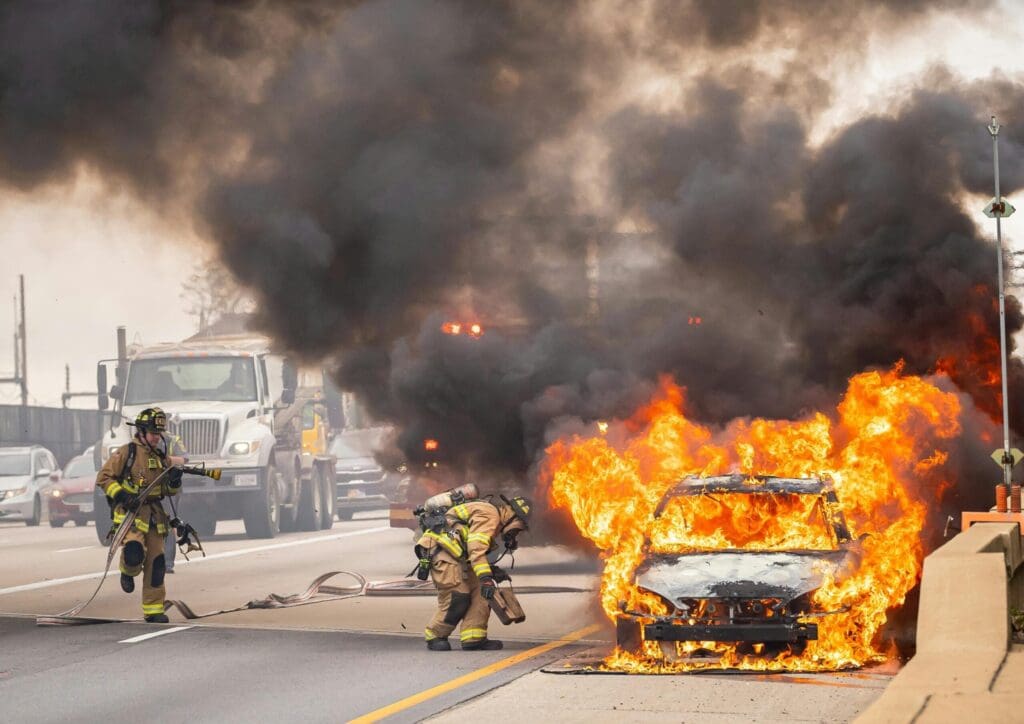
Who was at fault is usually the central question after a collision. The answer depends on the conduct of each driver, the surface and weather conditions, and what the vehicles and the scene show. This group covers:
- family cars, vans and pickups
- semi trucks and other large commercial vehicles
- motorcycles and mopeds
- bicyclists struck by vehicles
- impaired drivers
- distracted or reckless drivers
For bodily injury or death, the policy described in section 39-16.1-11 of the North Dakota Century Code, a motor vehicle liability policy for proof of financial responsibility, carries limits of twenty five thousand dollars for one person and fifty thousand dollars for two or more persons in one accident. Policies in real life can differ from that description, so ask what applies to each vehicle.
Work Place Accidents
A worker who is hurt may be dealing with workplace benefits and may also have a question about an outside party, such as the maker of a tool. Typical circumstances include:
- a slip or a fall on the job
- working conditions that put people at risk
- equipment that was not properly maintained
- vehicle crashes while driving for work
- electrical contact
- illnesses linked to exposure on the job
Premises Liability
Those who own or control property are expected to take reasonable steps against hazards. Cases often arise from:
- stairs, steps and railings that are in disrepair
- unlit alleys, entries and parking areas
- wet or slippery floors
- walkways that are cracked or uneven
- burns and chemical exposures
- attacks by dogs
- other dangerous conditions on property that belongs to someone else
Product and Medical Care Injuries
A product that is unsafe when used as intended can be the basis of a matter, and so can an error in diagnosis or treatment. Preserve the product and its packaging, and ask your provider for a full copy of the chart and bills.
Losses and Limits on Damages
People ask to have these counted: medical bills, lost income, reduced ability to earn, pain and suffering, property damage, permanent injury and the loss of activities they enjoyed.
One category has an upper bound. Exemplary damages are limited by section 32-03.2-11(4) of the North Dakota Century Code, shown in the North Dakota law text, N.D.C.C. 32-03.2-11(4), which says exemplary damages may not exceed two times the compensatory damages or two hundred fifty thousand dollars, whichever is greater.
Business and creative property disputes, such as a trademark or a copyright issue, are handled on the page for intellectual property attorneys in Forman.
Use the form on this page to send a short description of your matter
How To Start The Personal Injury Attorney North Dakota Forman Intake Process

The intake form on this page is a simple way to open a conversation. It asks for your contact details and a short description of what happened. You can write in everyday words. If part of the story is fuzzy, leave that part out for now.
Have these details at hand when you start:
- when the injury happened and where
- the other people or businesses involved
- the doctors, clinics or hospitals that have treated you
- a claim number from an insurer, if there is one
- an incident or crash report number
Where you are not certain, say so plainly. A missing fact can be added later, and a wrong one can cause confusion.
For the description, go in order: the event, the injury, the care you have received so far and anything that continues to bother you. Mention any work you have missed. If you think a particular person or business is responsible, include that. There is no need to hunt for every record first.
Sending the form asks for contact and nothing else. It does not commit you to anything, and this page makes no statement about outcome, timing or price.
Other places have their own pages, such as personal injury attorneys in Lisbon and personal injury attorneys in Dickey.
Frequently Asked Questions
What does a crash report cost, and how do I request one?
According to the North Dakota Highway Patrol page, a crash report is accessed through an online request from the NDDOT website and a report costs $7.00.
Is a claim possible if I was partly at fault?
Fault is looked at in degrees. The text of section 32-03.2-02 of the North Dakota Century Code says contributory fault does not bar recovery unless the claimant’s fault was as great as the combined fault of all other persons, and damages are reduced in proportion to the claimant’s fault.
What if a state agency or employee was involved?
Written notice goes to the director of the office of management and budget. Section 32-12.2-04 of the North Dakota Century Code says a person bringing an injury claim against the state or a state employee presents it within one hundred eighty days after the injury is discovered or reasonably should have been discovered.
Is it all right to keep working while I recover?
That depends on what your doctor says. Follow any work limits in writing, tell your employer what you have been advised, and keep notes of any hours or tasks you could not manage.
