

Instantly Connect For Your Personal Injury Consultation When Filling Out Form
Your Altus Personal Injury Attorney
Almost every conversation about an injury circles back to the same few questions. Who was responsible? How long is there to act? What paperwork will matter? This page, written for readers in Altus, takes the first two questions through Oklahoma statutes and the third through plain advice on records, then ends with a way to get ready for a call with an attorney.
Start with the idea itself. A personal injury claim asks the person or business thought to be at fault to make up for a harm. The ask is only as strong as what backs it up, which usually means medical records, a careful account of the event, and receipts or pay records that show the cost.
Oklahoma’s comparative negligence section, 23 O.S. 13, provides that when an injured person has been negligent too, recovery is still not barred unless that person’s negligence is of greater degree than the negligence of whoever caused the damage, whether a person, a firm or a corporation. You can read it in the Title 23 text. How the comparison comes out depends on the evidence.
The limitation section for other actions, Section 95(A)(3) of Title 12, sets a period of two years for an action for injury to the rights of another that does not arise on contract and is not otherwise listed. It is printed in the posted Title 12. A lawyer can tell you promptly whether it applies.
A note on scope: no hospital, clerk or police office is described for Altus on this page, and nothing here should be read as a statement about a local office. What follows is general guidance and the statutes themselves.
This page does not list local offices or addresses for Altus. Readers who want to look at nearby places can open the pages for injury attorneys in Mangum, injury attorneys in Frederick or injury attorneys in New Cordell, and the statewide Oklahoma personal injury attorneys page covers the rest. The page for Ada is another one on the site.
Some readers arrive on this page on behalf of someone else, such as a parent, a spouse or an adult child. The same points apply, and a lawyer can explain how a person may act for another who is unable to.

What To Look For When Hiring Your Personal Injury Attorney

Choosing an attorney is partly a matter of fit. Decide, before any meeting, what sort of contact you want. A person who dislikes surprises may want a call after every development; someone busy may prefer a short summary at set points. Whichever you choose, say it out loud and see whether the answer is specific or merely agreeable.
Write your questions on paper beforehand, since meetings move quickly and it is easy to leave with the most important one unasked. Possibilities include:
- Who will actually work on my file, and who answers when I call?
- What are the stages from here, in plain terms?
- What does the arrangement look like in writing, including how costs are handled?
- Which dates and deadlines could affect my situation?
- What do you need from me this week?
- What could make this take longer or go differently than I expect?
Points worth weighing as you compare attorneys:
- time spent on injury matters similar to yours
- ability to explain a legal idea without jargon
- knowledge of the offices and courts involved
- willingness to say “I do not know yet” when that is true
- clarity about how you will be kept informed
Records are the spine of an injury matter, so treat them as a project. Ask every provider how to request a copy of your chart and bills. Note the date, the person you spoke with and what was promised. Keep the originals at home and give copies out. A folder can hold:
- pictures of the scene, the damage and each injury over time
- invoices, receipts and discharge instructions
- insurer letters and claim numbers
- contact details for anyone who saw the event
- proof of lost time at work
- a diary of symptoms, with dates
Be forthcoming with your attorney about weak spots: prior injuries, a missed appointment, something you posted online, a conversation with an insurer. Surprises that arrive late tend to do more damage than facts shared at the beginning.
When an adjuster phones, keep to basics. Give your name and the date of the event, decline to guess about fault or about your recovery, and say you will return the call. Read each release or form carefully before signing, since it can close doors. Avoid posting about the event or your health, because a passing remark can be repeated without its context.
Intake form for an injury matter in Altus
Personal Injury Types of Cases
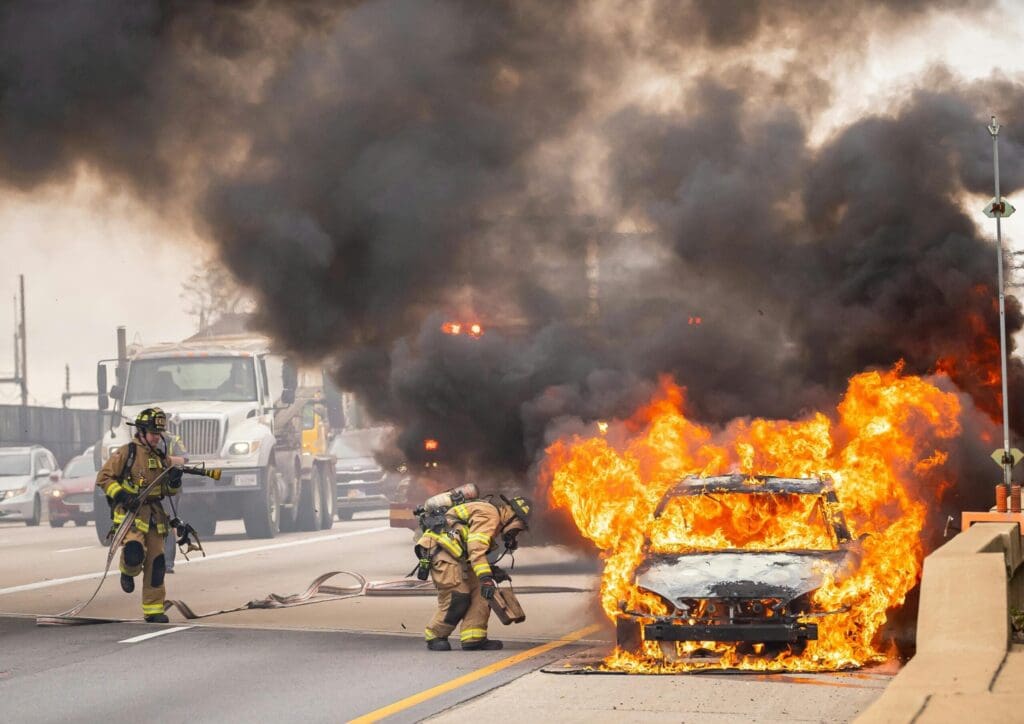
Think of this section as a map. It covers the families of injury matters that readers ask about, notes where Oklahoma statutes touch them and says what each statute does and does not tell you. An event that fits more than one family is common.
Death caused by someone else’s negligence
Who may act for the person who died, and for how long? Families want that answer first. Wrongful death matters can involve different kinds of compensation than other injury claims, and a lawyer can explain how the two differ. The causes people describe include vehicle crashes, drowning, electrocution, falls, fires, firearm incidents, and maritime or helicopter accidents.
Under Section 1053(A) of Title 12 of the Oklahoma Statutes, commencing a wrongful death action brought by the personal representative of the person who died must happen within two years. It is in Title 12 as posted. A lawyer can explain how this applies to a family.
Claims that reach a city, county, school or state office
Section 156(B) of Title 51 of the Oklahoma Statutes provides that claims against the state or a political subdivision are to be presented within one year of the date the loss occurs and are forever barred unless notice is presented within one year after the loss. The text is in the posted Title 51. Public body involvement should be raised early.
Punitive damages
Title 23’s Section 9.1 draws a line for one category of punitive damages awards at $100,000 or the amount of the actual damages awarded, whichever is the greater figure. You can read it in the posted Title 23. A lawyer can say whether it is relevant to what happened.
Collisions on the road
Collisions raise questions of fault and coverage, often among more than one party. Readers describe:
- passenger cars and pickups colliding
- big rigs and tractor trailers
- motorcycles
- bicycles
- drivers who had been drinking or using drugs
- drivers who were distracted
- drivers who were reckless
Insurance minimums are defined in 47 O.S. 7-103. For policies issued or renewed on or after April 1, 2005, the section defines the minimum liability limit as at least $25,000 for bodily injury to or death of one person in any one accident. You can read it in the posted Title 47. Because it is only a floor, it says nothing about the coverage a particular driver had.
Hazards at work
On the job, a workplace system can apply in addition to a claim against an outsider such as a contractor, a landowner or an equipment maker. Typical accounts include:
- falling, slipping or tripping at a worksite
- unsafe conditions that no one corrected
- machines or tools that were poorly maintained
- electrical hazards
- a vehicle crash while working
- strain from repeating the same motion, and other harm that accumulates
- illness from exposure, such as asbestos related illness or lung disease
Hazards at homes and businesses
The idea behind these claims is that someone who controls a property should keep it from endangering others. Early on, the date, the exact location and photographs of the condition matter. Common situations:
- stairs in disrepair and ground that is uneven
- slick floors
- badly lit alleyways and walkways
- burns and exposure to chemicals
- dog bites
- other dangerous conditions
Products and medical care
A defective product, or care that falls short of what a patient could reasonably expect, can also support a matter. The records are long and technical, and qualified medical or technical professionals usually have to review them.
For disputes over a brand name, an invention or a creative work, the right place is intellectual property attorneys in Altus.
Use the form on this page to send a short description of your matter
How To Start The Personal Injury Attorney Oklahoma Altus Intake Process
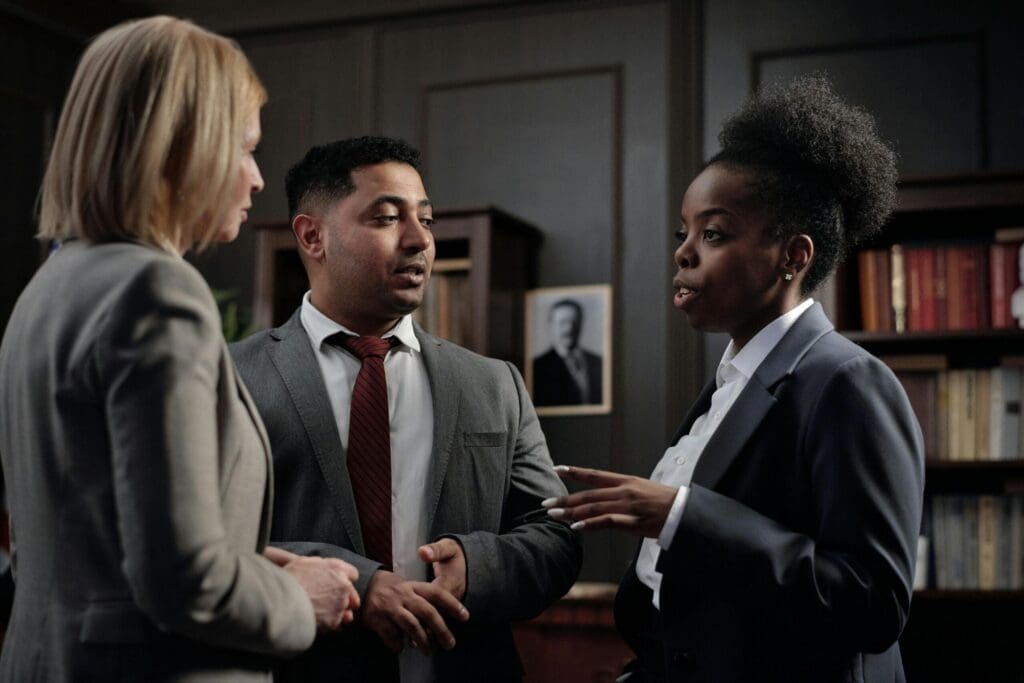
Use the form on this page when you are ready to describe your situation. Tell it as a short story with three parts: what happened, when it happened and where things stand today. Ordinary words are fine. Pages of detail are not needed, and neither is a legal label for what you went through.
Some readers like to jot down the following before they begin, so that nothing is missing:
- a number where you can be reached, and the hours when you can talk
- the day of the event and the general location
- the insurance company involved, along with a claim number if there is one
- the names of clinics or hospitals where you were seen
- an approximate figure for lost workdays
Where memory fails, write that memory fails. A blank is honest and can be filled in; a confident but wrong detail has to be corrected later.
Some readers hold off on writing because they feel they should have all their records first. That is not required. Records can be added as they arrive, and the first message only needs to say what happened. It is more useful to send an honest short note now than a perfect long one after weeks of waiting on paperwork.
The form is a request for contact, nothing more. It does not promise a result, a price or a schedule, and you may ask questions before agreeing to anything. In the meantime, continue your folder, keep your diary, and stay off social media about the event.
Frequently Asked Questions
How soon should I raise a possible public agency connection?
At the first meeting. A claim against the state or a political subdivision is to be presented within one year of the date the loss occurs, and Title 51, Section 156(B), says it is forever barred unless notice is presented within one year after the loss. Because that window is short, tell the attorney about any agency involvement right away.
Does the insurance minimum in the statute cover my medical bills?
Not necessarily. The statute describes a minimum liability limit, at least $25,000 for bodily injury to or death of one person in any one accident for policies issued or renewed on or after April 1, 2005. It is not a measure of any one driver’s coverage, so ask about the policies that apply to you.
What kinds of paper should I keep after a crash?
Keep medical bills, discharge papers, repair estimates, photographs, insurer letters and the names of witnesses. Put them in date order and keep copies in a second place.
Do I need to know the type of case before using the form?
No. Describe what happened in your own words. Sorting it into a category is something a reader can do afterward.
Why write symptoms down every day?
Memory fades and pain changes. A short dated note gives you something precise to refer to, rather than a general impression months later.
