

Instantly Connect For Your Personal Injury Consultation When Filling Out Form
Your Ponca City Personal Injury Attorney
A reader in Ponca City who has been hurt may not know where to begin, so this page begins with the basics and keeps them in order. It defines a personal injury claim, notes what the city’s police department lists on its own contact page, restates two Oklahoma statutes that frame many claims, and closes with steps for getting ready to speak with a lawyer. Nothing here is a substitute for advice that fits your facts.
Put briefly, a personal injury claim is a request that the person or business believed to be responsible for a harm pay for it. The request is persuasive when it is backed by treatment records, an account of the event that does not shift, and proof of what the harm has cost in bills and lost pay.
On the Ponca City Police Department contact page, the department lists its address as 300 E. Oklahoma, Ponca City, OK 74601, and a records phone line of 580-767-0381. Anyone seeking a report should confirm with the department how requests are handled, since numbers and procedures can change.
The wording of 23 O.S. 13 is that contributory negligence does not bar a recovery unless the injured person’s negligence is of greater degree than the negligence of the person, firm or corporation causing the damage. See it in the Senate’s posted Title 23. A lawyer can say how courts approach that comparison in a given matter.
Time to act is partly set by Title 12, Section 95(A)(3), which sets a period of two years for an action for injury to the rights of another that does not arise on contract and is not otherwise listed. The posted Title 12 has the text. A lawyer can check how it relates to your facts.
Readers who want other pages can open injury attorneys in Blackwell, injury attorneys in Stillwater or injury attorneys in Enid, or begin from the statewide Oklahoma page. The page for Oklahoma City is another on the site.
People often ask whether it is too early or too late to read about a claim. It is neither. Reading a page like this one takes only a few minutes, and the habits it describes, such as keeping records and writing down dates, are useful whatever you decide to do next.

What To Look For When Hiring Your Personal Injury Attorney

Three kinds of paper tend to decide how smoothly an injury matter goes: medical paper, money paper and conversation paper. A lawyer can work with all three, and you can start collecting them today.
Medical paper is everything produced by treatment. Ask each provider what is needed to obtain a copy of your chart and your statements of charges, and note the date, the person you reached and what you were told. Attend the appointments your providers set, take down what each one says, and ask for a short written summary at the end of a visit. If you must miss an appointment, rebook it and write down why.
Money paper is everything that shows what the injury has cost. Keep bills, receipts, pay stubs or an employer’s note covering missed work, and the cost of anything you had to buy or replace. Note who has paid what, since an insurer, a provider and an employer may each have paid part.
Conversation paper is the record of who said what. Write down the name, company and date for each call with an insurer, an employer or an agency. Keep letters with their claim numbers, and save the names and phone numbers of people who saw the event. Photographs belong here too, along with a dated diary of pain, sleep and tasks you could not do.
With those in hand, choosing a lawyer is easier. Take a short list of questions to each meeting:
- Which person handles my matter, and how do I reach that person?
- What are the phases from here to the end?
- How are updates delivered, and how often?
- Which time limits could affect me?
- How are costs explained, and will I receive the terms in writing?
- What would you like from me first?
Weigh what you hear against a few plain points: how much of the work is injury work, whether the explanations make sense without a glossary, how well the lawyer knows the local courts and offices, and whether the lawyer will say when an answer is not yet known.
Be forthcoming about complications. An older injury, a gap in treatment or a statement already given to an insurer will matter less if you raise it than if someone else does.
In the meantime, treat insurer calls as part of the claims process. Keep to basic facts, resist guessing about fault or recovery, and say you will return the call. Read a release closely before signing it. Keep the event and your health out of social media posts, since a remark can be repeated without its context.
Intake form for an injury matter in Ponca City
Personal Injury Types of Cases
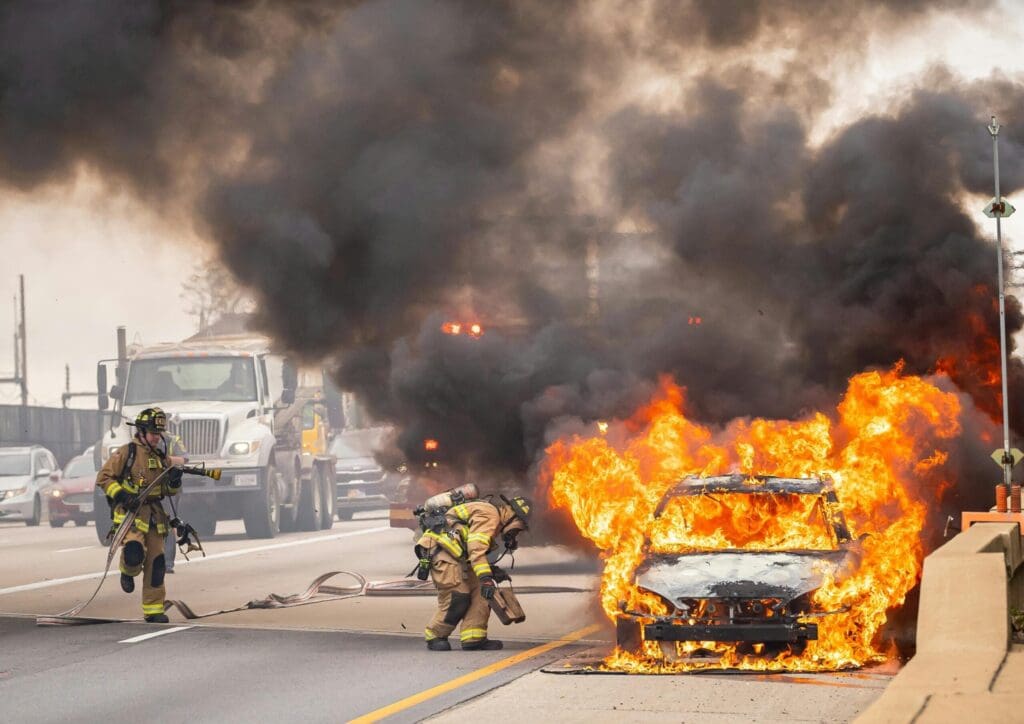
Lawyers and insurers sort injuries into families, mostly so that the right records and rules can be identified quickly. A person describing a bad day does not need those labels, and the headings below are offered only as a way to recognize pieces of a situation. One event can belong to several families.
Vehicle collisions
Where more than one driver is involved, so are several policies and several accounts of the event. Readers describe two cars colliding, a crash with a truck or tractor trailer, a motorcycle accident, a bicycle struck on the road, and drivers who were impaired, distracted or reckless.
Title 47, Section 7-103, supplies the definition of minimum liability insurance limits: for policies issued or renewed on or after April 1, 2005, at least $25,000 for bodily injury to or death of one person in any one accident. The posted Title 47 has it. It does not describe any particular driver’s policy.
Unsafe premises
Property owners are expected to keep their places from endangering others. The date, the location and pictures of the hazard are the first requests. Hazards include:
- stairs in poor repair, and ground that is not level
- floors that are slick
- walkways and alleys that are poorly lit
- chemical exposure and burns
- dog bites
- any other dangerous condition
Unsafe workplaces
An injured worker may have both a workplace system to deal with and a possible claim against an outside party, such as a contractor or an equipment maker. Examples:
- slips, trips and falls on the job
- hazardous conditions at the work site
- machinery left without proper upkeep
- electrical hazards
- a crash that occurred while working
- repetitive strain and other conditions that build over time
- illness from exposure, including lung disease and asbestos related illness
Products and medical care
An item that fails or has weak warnings, or medical treatment that falls short of what a patient could reasonably expect, may be the basis of a matter. Thorough records and review by qualified medical or technical professionals are central.
A death in the family
Wrongful death matters carry particular weight, and they come with questions about who may act for the person who died and how long they have. A lawyer can also explain how the kinds of compensation can differ from those in other injury claims. Settings include vehicle crashes, drowning, electrocution, falls, fire, firearm incidents, and maritime or helicopter accidents.
An action for wrongful death brought by the personal representative of the person who died must be commenced within two years, says Section 1053(A) of Title 12 of the Oklahoma Statutes. The posted Title 12 has the wording. Ask a lawyer how that time limit would apply.
Public bodies
A claim against the state or a political subdivision has to be presented within one year of the date the loss occurs, according to Section 156(B) of Title 51 of the Oklahoma Statutes, and is forever barred unless notice is presented within one year after the loss. Tell a lawyer about any agency involvement.
Punitive damages
A cap exists for one category of punitive damages awards. Section 9.1 of Title 23 of the Oklahoma Statutes sets it at no more than the greater of $100,000 or the amount of the actual damages awarded. The Title 23 posting shows it. A lawyer can review whether it applies to a given case.
A dispute over a trademark, a copyright or another business or creative interest belongs on a different page: intellectual property attorneys in Ponca City.
Use the form on this page to send a short description of your matter
How To Start The Personal Injury Attorney Oklahoma Ponca City Intake Process
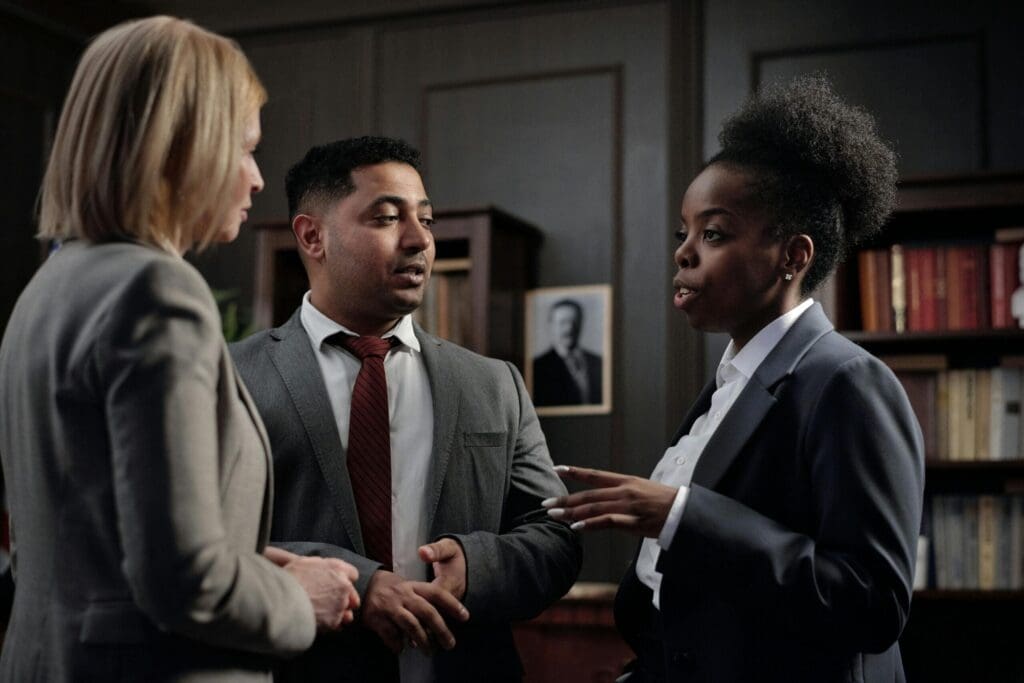
Next comes the form on this page. It wants a few sentences from you: what happened, the date, and how you are now. Use your own words and keep the note brief. Which kind of injury matter you have is something that can be worked out after you send it.
Some people hold off because they expect the first reply to be long or complicated. A first exchange is usually short. You are asked a few questions about what happened, you may ask some of your own, and you decide what to do next. Nothing requires an answer on the spot, and you can take time to look at your records before replying.
To make the form quicker, gather the following:
- a phone number you answer, and the times of day that suit you for a call
- the date of the event and its general location
- the insurer and any claim number
- the clinics or hospitals where you were seen
- a rough estimate of work you missed
Mark anything uncertain as uncertain. A blank can be filled in later, whereas a wrong answer lingers.
If someone else is writing for you, say so on the form and say how you are related. Also note whether the injured person can speak with a lawyer directly.
Sending the form is a request to be contacted. It promises no result, price or timetable, and questions are welcome before you agree to anything. In the meantime, keep your folder current and keep the event off social media.
Frequently Asked Questions
Does the police department list a records phone line?
The Ponca City Police Department’s own contact page lists its address as 300 E. Oklahoma, Ponca City, OK 74601, and a records phone line of 580-767-0381.
Does Oklahoma set any limit on one kind of punitive award?
Section 9.1 of Title 23 limits one category of punitive damages awards to no more than the greater of $100,000 or the amount of the actual damages awarded. A lawyer can say whether it applies to your matter.
What proof of lost work should I keep?
Keep pay stubs and any note from an employer, and write down the days you missed and why. A lawyer can explain how lost income is shown.
Why note the name of each person I speak with?
Names and dates let you and a lawyer trace what was said. A short note after each call is enough.
Can I add facts after I send the form?
Yes. You can add details as you remember them or as records arrive, and the reader can ask follow up questions.
