

Instantly Connect For Your Personal Injury Consultation When Filling Out Form
Your Grants Pass Personal Injury Attorney
No two injuries are identical, but the legal rules that apply after one happens in Grants Pass are the same statewide rules that apply everywhere in Oregon, filing deadlines, a comparative-fault standard, and shorter notice periods for government-entity claims.
NeedAnAttorney.net connects people injured in Grants Pass with an attorney who handles cases in Josephine County Circuit Court. The sections below lay out what those rules mean in practice.

The Rules That Apply to a Grants Pass Injury Claim
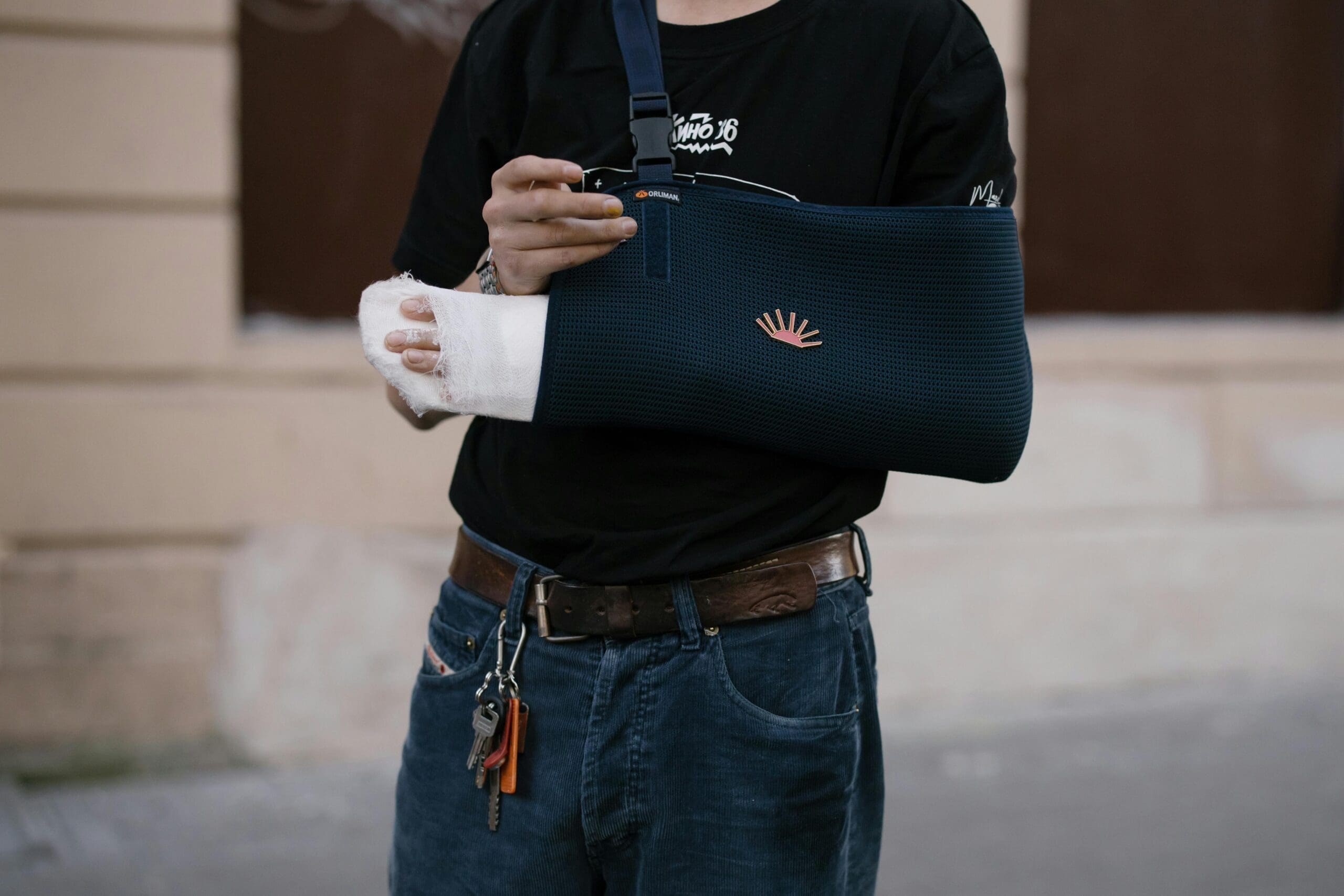
How long you have to sue. Two years from the injury date covers most personal injury claims under Oregon law (ORS 12.110(1)). When the injured person is a minor, that period doesn’t begin until they turn 18, though the law caps how far it can stretch: five years total, or one year past the 18th birthday, whichever comes first (ORS 12.160).
Partial fault reduces, but doesn’t erase, a claim. As long as your share of the fault doesn’t outweigh what the people you’re suing are collectively responsible for, Oregon still lets you recover (ORS 31.600(1)). The award shrinks proportionally below 50% fault and disappears entirely above it.
Government defendants run on a shorter clock. Written notice is generally owed within 180 days of the injury, one year for a death claim, and the lawsuit itself is still due inside two years overall (ORS 30.275(2), (9)).
Don’t wait to get help with your Grants Pass case.
Fill Out The Form Above
Types of Personal Injury Cases in Grants Pass
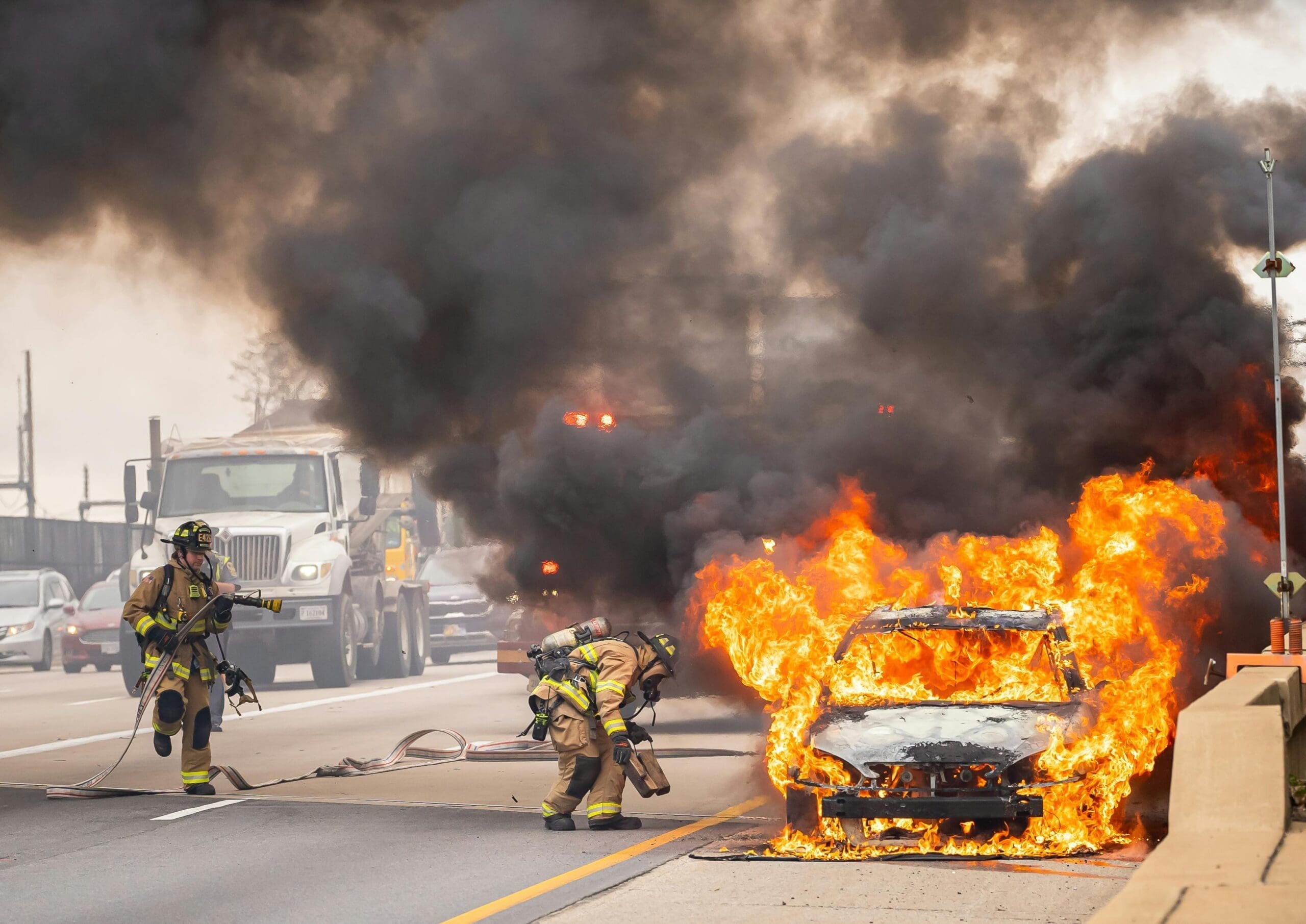
Motor vehicle collisions
Whatever the cause of a crash, the same comparative-fault rule described above governs how a shared-fault finding affects recovery.
Slip and fall injuries
Property owners who fail to address or warn about a known hazard can be held liable when it causes a fall, subject to the shared-fault reduction rule.
Dog bite claims
The strict-liability rule for dog bites in Oregon is narrower than most people assume: it applies only after a court has previously found a specific dog “potentially dangerous,” and that dog then bites someone (ORS 609.115). Absent that history, a claim depends on ordinary negligence.
Claims tied to an intoxicated third party
A bar or social host can be liable for serving a visibly intoxicated person who then causes injury, but only under a clear-and-convincing standard and only with proper notice, 180 days generally, one year for wrongful death (ORS 471.565).
Wrongful death claims
Oregon gives surviving family three years from the date of death to file (ORS 30.020(1)), and the statute explicitly allows recovery for lost companionship and society, not just financial losses (ORS 30.020(2)).
Working Through the Insurance Side of a Grants Pass Claim
The insurance company’s side of a Grants Pass claim
Adjusters are trained to resolve claims for as little as possible, and an early recorded statement is one of their most effective tools. Questions are often framed to get answers that later minimize the injury or shift blame, which is why it’s rarely advisable to give a full statement without an attorney’s involvement first.
What actually makes a claim stronger
Photos from the scene, prompt medical care, consistent follow-up treatment, and a documented record of missed work and expenses tend to carry the most weight. Any gap in treatment, or inconsistency between what was told to police, doctors, and the insurer, becomes an opening for the adjuster.
Multi-Vehicle Crashes and the Uninsured Driver Problem
The uninsured driver problem
When the driver responsible for a Grants Pass crash has no insurance, or inadequate coverage, the claimant’s own uninsured/underinsured motorist coverage, required to be offered under Oregon law, typically becomes the practical route to compensation. Proof of the claim is still required, but this coverage exists specifically for this situation.
Handling a multi-vehicle accident
A crash involving several vehicles can mean fault spread across multiple drivers, and Oregon’s comparative-fault rule (ORS 31.600) applies separately to each defendant. Working out how fault actually divides among the parties, and which insurance policy is responsible for which share, is usually the most complicated part of these claims.
More on Fall Claims and Fatal-Injury Cases
A closer look at fall claims
Notice is usually the deciding factor in a Grants Pass slip and fall case: whether the property owner knew, or should have known, about the hazard early enough to do something about it. The same deadline and comparative-fault framework apply (ORS 12.110(1), ORS 31.600), and maintenance or incident records are frequently the strongest evidence either way.
Fatal-injury claims and how the cause matters
Regardless of cause, Oregon’s wrongful death deadline stays at three years (ORS 30.020(1)), but other deadlines can stack: a government entity’s involvement still means 180-day notice (ORS 30.275), and a defective product still runs against its own separate clock (ORS 30.905).
What comes after filing a claim
Treatment, documentation, a demand to the insurer, negotiation, and litigation if it stalls, roughly in that order. Most Grants Pass claims settle, and representation early on tends to change how that settlement plays out.
How Compensation and Comparative Fault Work Together
What’s recoverable in a Grants Pass injury claim
Medical bills, lost income, future earning-capacity loss, pain and suffering, and property damage are the typical categories that make up a claim’s value. Oregon doesn’t cap most of these for a standard personal injury case, apart from claims against government entities.
Comparative fault, in real numbers
Take a $55,000 claim reduced by a 5% fault finding: the recovery is $52,250 (ORS 31.600). Push that fault finding past 50%, and there’s no recovery left at all. Insurers know this well, which is why fault allocation gets contested early.
More Injury Case Types in Grants Pass
Rideshare accidents
An Uber or Lyft crash in Grants Pass usually involves more than one insurance policy at once. Oregon law requires the rideshare company itself to carry a policy covering the driver, passengers and any pedestrian struck while the driver is actively providing a ride (ORS 742.520), but a driver’s own personal auto policy can lawfully exclude coverage for the time they’re working for the app (ORS 742.520(1)(e)). Sorting out which policy actually pays is often the hardest part of the claim.
Motorcycle crashes
Oregon requires every motorcycle operator to wear a helmet (ORS 814.269), and a rider who wasn’t wearing one when hurt can expect the insurer to raise it as a comparative-fault argument, even in a crash the other driver caused. That argument affects the size of the recovery, not whether a claim exists at all.
Defective product injuries
A claim over a defective product, from a faulty vehicle part to unsafe machinery, follows its own two-year discovery-based deadline and a ten-year outer limit from when the product was first purchased (ORS 30.905), separate from the general injury deadline described above.
Nursing home and elder abuse
Oregon gives a vulnerable adult who suffers physical or financial abuse a civil claim carrying real teeth: triple economic damages, triple noneconomic damages, and attorney fees (ORS 124.100), with seven years to discover and bring the claim (ORS 124.130).
What Sets Workplace and Serious Injury Claims Apart
Injuries that happen at work
Oregon generally routes on-the-job injuries through workers’ compensation, not a standalone lawsuit against the employer, since a covered employer’s liability is exclusive under that system (ORS 656.018). If someone outside the employment relationship, like an equipment manufacturer or a different company’s subcontractor, contributed to the injury, a separate third-party claim remains available alongside workers’ comp benefits (ORS 656.154).
Brain and spinal cord injury claims
A brain or spinal cord injury claim in Grants Pass runs on the same two-year clock as other injuries (ORS 12.110(1)), but the long recovery, or permanent impact, typically involved raises the stakes considerably and calls for careful, thorough medical documentation from the start.
Speak with an attorney about your Grants Pass case today.
Get Connected
How To Start The Personal Injury Attorney Oregon Grants Pass Intake Process
If you were injured in Grants Pass, the form on this page connects you with an attorney who handles personal injury cases in Josephine County. There is no cost to use it and no obligation to hire the attorney you speak with.
Before that call, gather what you have: photos of the scene and your injuries, any incident report, medical records and bills, and the names of anyone who saw what happened.
NeedAnAttorney.net’s coverage extends past Grants Pass to Medford, Rogue River, and Cave Junction, among other Oregon cities. If you’re also dealing with a criminal defense issue, our Grants Pass criminal defense page is the right starting point, alongside the statewide personal injury coverage list.
The Circuit Court Covering Grants Pass
Jurisdiction over a Grants Pass injury case belongs to Josephine County Circuit Court, part of the Fourteenth Judicial District under state law (ORS 3.012). Grants Pass is the county seat, so the courthouse is local.
Frequently Asked Questions: Grants Pass Personal Injury
What if I was partly at fault for my accident?
You can still recover as long as your own fault was not greater than the combined fault of the people you are suing (ORS 31.600). Recovery is barred once your share crosses 50%.
Can I sue if I was bitten by a dog in Grants Pass?
Possibly, but Oregon’s strict-liability rule for dog bites only applies if a court had already found that specific dog to be a “potentially dangerous dog” before the bite (ORS 609.115). Otherwise, a claim depends on showing the owner knew or should have known the dog was dangerous.
What if my injury happened while I was a passenger in someone else’s car?
A passenger can generally bring a claim against a negligent driver, whether that’s the driver of the vehicle they were in or another driver involved in the crash.
What if I was injured by a rideshare driver in Grants Pass?
Rideshare accidents can involve multiple overlapping insurance policies. An attorney familiar with how those policies interact can help determine which coverage applies.
What if I signed a liability waiver before the activity that injured me?
A waiver doesn’t automatically bar a claim. Courts look at how it was written and the specific circumstances of the injury before deciding whether it holds up.
Are attorneys in the network licensed to practice in Oregon?
Yes. Attorneys connected through this service are licensed by the Oregon State Bar to practice law in the state.
What if my accident happened on a state highway near Grants Pass?
If a state agency’s negligence contributed, the government-notice rules apply: written notice generally due within 180 days, and suit filed within two years (ORS 30.275).
Can I file a claim for a workplace injury in Grants Pass?
Workplace injuries are usually handled through workers’ compensation rather than a standard personal injury claim, though a separate claim against a negligent third party may still be available depending on the facts.
How long do surviving family members have to file a wrongful death claim?
Generally three years from the date of death (ORS 30.020(1)).
How quickly should I contact an attorney after an injury?
As soon as reasonably possible. Evidence can disappear, witnesses become harder to reach, and shorter deadlines, like the 180-day government notice period, can pass quickly.