

Instantly Connect For Your Personal Injury Consultation When Filling Out Form
Your Ontario Personal Injury Attorney
An injury claim out of Ontario depends on facts specific to what happened, but the legal framework is the same one that applies throughout Oregon: a filing deadline, a comparative-fault rule, and special notice requirements for claims against a government body.
NeedAnAttorney.net connects people injured in Ontario with an attorney who handles Malheur County cases. Below is what that framework actually requires.

Oregon's Personal Injury Rules, Explained
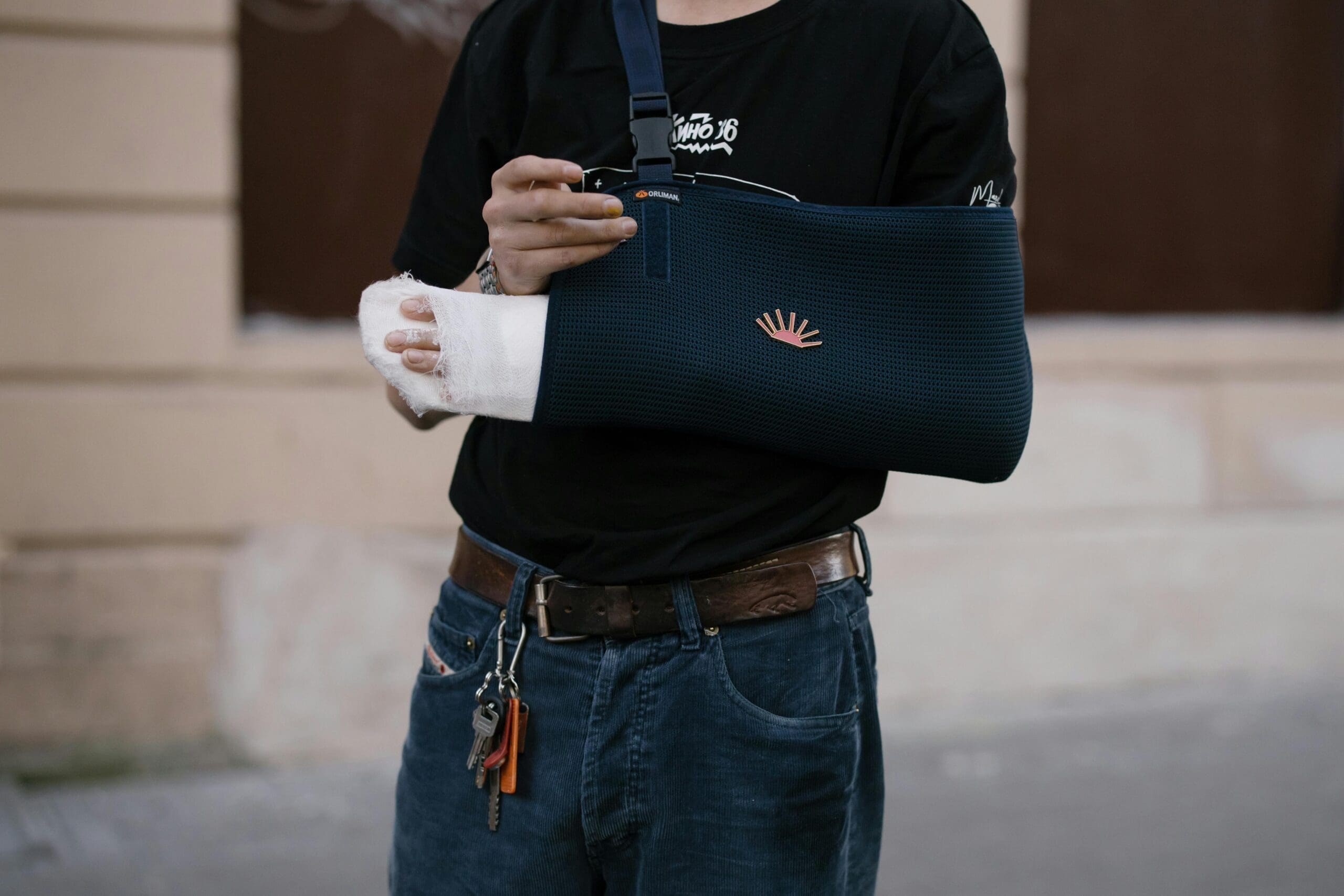
The filing window. Personal injury claims in Oregon generally have to be filed within two years of the injury (ORS 12.110(1)). A minor’s clock doesn’t start until adulthood, but the law limits how much extra time that buys: five years at most, or one year past the 18th birthday, whichever comes first (ORS 12.160).
Fault gets divided, not treated as all-or-nothing. Oregon still lets an injured person recover if they share some blame, provided their fault doesn’t exceed the combined fault of everyone else involved (ORS 31.600(1)). Go over 50% and the claim is barred; stay under it and the award is reduced to match.
A public entity changes the timeline. Written notice is generally due within 180 days, one year for a wrongful death claim, with suit still required within two years overall (ORS 30.275(2), (9)).
Ready to talk to a personal injury attorney about your Ontario case?
Get Started Now
Common Injury Claims in Ontario
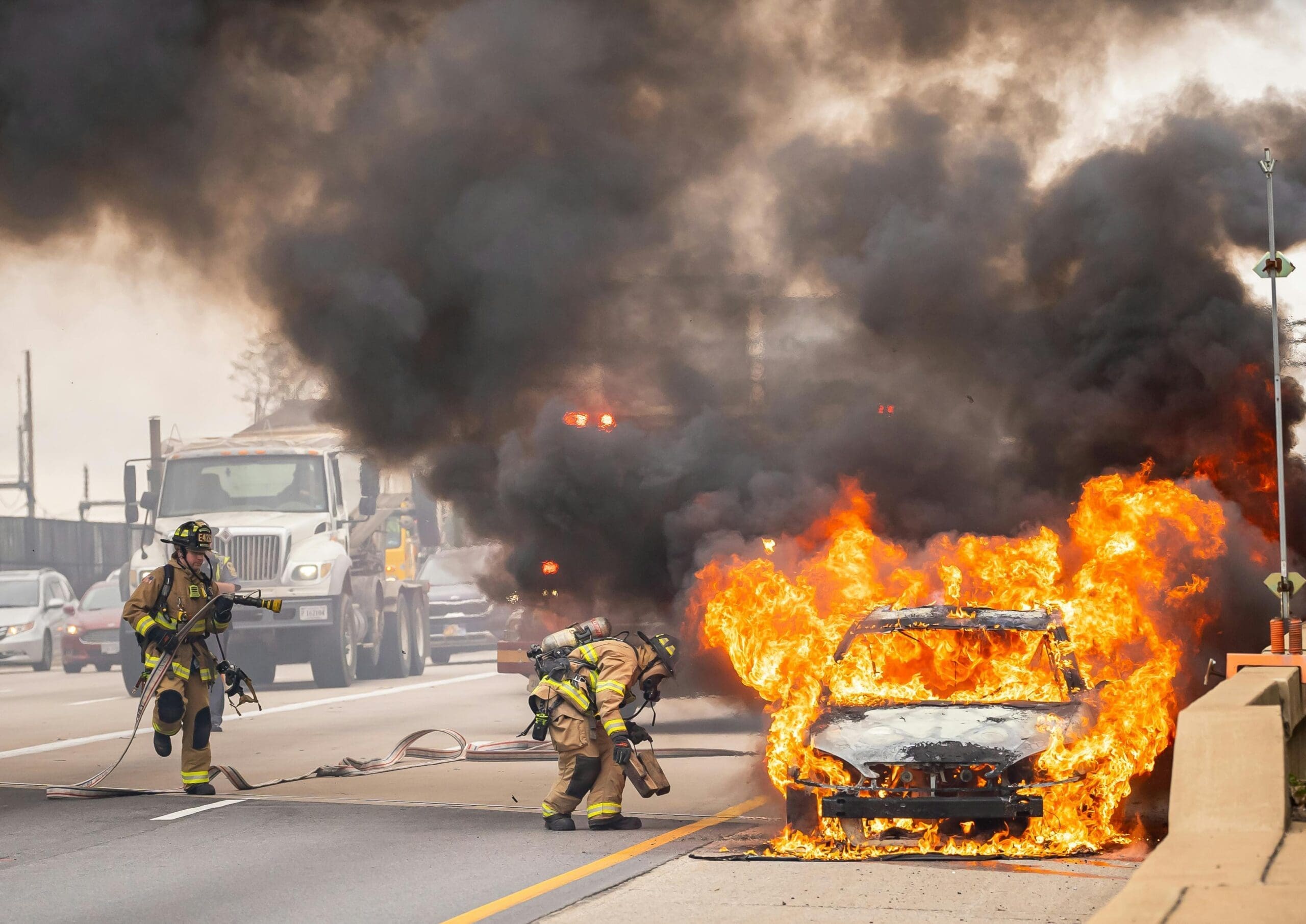
Car and highway crashes
Fault and Oregon’s comparative-negligence rule apply the same way regardless of what caused a crash. The same 50%-fault rule described above governs how much a shared-fault finding reduces recovery.
Falls and unsafe property
A property owner who fails to fix or warn about a hazardous condition can be liable for a resulting fall, subject to the same shared-fault rule.
Dog bites
Oregon’s strict-liability dog rule is narrower than many people expect: it applies only once a court has already determined a specific dog to be a “potentially dangerous dog,” and the dog then injures someone after that determination (ORS 609.115). For a dog with no such prior determination, a claim generally rests on ordinary negligence.
Injuries involving an intoxicated person
Oregon allows a claim against a bar, restaurant or social host that served alcohol to a visibly intoxicated person who then caused an injury, but only under a clear-and-convincing evidence standard, and only if the injured person gives the server notice within 180 days, or one year for a wrongful death claim (ORS 471.565).
Wrongful death
A wrongful death claim in Oregon must generally be filed within three years of the death (ORS 30.020(1)). Unlike some states, Oregon’s wrongful death statute expressly allows recovery for the loss of the decedent’s society, companionship and services, alongside medical, funeral and pecuniary losses (ORS 30.020(2)).
Building Evidence and Handling the Adjuster in Malheur County
Insurance adjusters and what they’re really doing
An adjuster’s incentive runs toward closing the claim for as little as possible, and the earliest recorded statement is one of the more consequential moments in that process. In Ontario, as elsewhere, giving a detailed statement before talking to an attorney tends to work against the claimant’s interests.
The kind of evidence that makes a real difference
Scene photographs, timely medical care, consistent follow-up treatment, and documentation of lost income and out-of-pocket costs are typically what strengthens a claim the most. Gaps in treatment and inconsistent statements are what an adjuster points to when arguing the claim is worth less.
Complicated Claims: No Insurance, Multiple Parties
No insurance on the at-fault side
If the driver responsible for an Ontario crash lacks adequate insurance, the claimant’s own uninsured/underinsured motorist coverage, required to be offered under Oregon law, is usually the practical path forward. Proving the claim still matters, but this coverage exists specifically for situations where the at-fault party can’t pay.
Multiple vehicles, multiple parties
Fault in a multi-vehicle crash can be split across several drivers, and Oregon’s comparative-fault rule (ORS 31.600) applies individually to each one, reducing recovery from a given defendant by that defendant’s own share. Figuring out exactly how fault divides, and which insurance policy responds to which share, is often the most complicated part of the case.
Property Injuries, Wrongful Death, and What Comes Next
Fall and premises claims in Ontario
Property owner notice, knowledge or reasonable knowledge of a hazard, is usually the central question in a fall claim here. The standard deadline and fault-reduction rule apply as they do for any injury claim (ORS 12.110(1), ORS 31.600), and maintenance records or prior complaints about the same hazard tend to be the strongest evidence.
Wrongful death, depending on the cause
Oregon’s three-year wrongful death window (ORS 30.020(1)) applies uniformly, but related deadlines can still stack: 180-day notice for a government-involved death (ORS 30.275), and a separate repose period for a death caused by a defective product (ORS 30.905).
The typical sequence after filing
Treatment and documentation, a demand letter, negotiation, and litigation if needed, in that general order. Most Ontario claims settle, and representation tends to influence how that settlement compares to the claim’s real value.
What You Can Recover, and How Fault Changes It
What compensation typically covers
Medical expenses, lost income and reduced future earning capacity, pain and suffering, and property damage make up the core categories in an Ontario claim. Oregon generally doesn’t cap these for an ordinary injury case, aside from claims against government entities.
Seeing the comparative-fault rule in action
A $75,000 valued claim, reduced by a 40% fault finding, comes out to $45,000 (ORS 31.600); a fault finding over 50% wipes out the recovery completely. That math is exactly why insurers push hard on fault allocation early in negotiations.
Further Claim Categories Covered in Ontario
Injured by a rideshare driver
Ontario rideshare crashes involve a specific coverage structure: the company is required to insure its driver, any passenger, and pedestrians struck while a ride is in progress (ORS 742.520), while the driver’s own insurer can decline coverage for that same app-active period (ORS 742.520(1)(e)). Which policy pays is often the crux of the claim.
Injured in a motorcycle crash
Oregon law requires motorcycle riders to wear a helmet (ORS 814.269). Riding without one, if you’re hurt, tends to come up as a comparative-fault argument affecting the size, not the existence, of a valid claim.
Injured by a defective product
Claims over a defective product are governed by their own timeline: two years from when the defect was discovered or reasonably should have been, and no later than ten years from first purchase (ORS 30.905).
Abuse suffered in a nursing home or care setting
Oregon’s remedy for abuse of a vulnerable adult is genuinely strong: triple economic damages, triple noneconomic damages, attorney fees (ORS 124.100), and a seven-year window to discover and bring the claim (ORS 124.130).
Workplace Claims and Brain/Spinal Injuries, Explained
Injuries suffered on the job
A workplace injury near Ontario typically goes through workers’ compensation, since Oregon makes a covered employer’s liability exclusive of a separate lawsuit (ORS 656.018). That doesn’t close the door on every claim, though: a negligent third party outside the employment relationship can still be sued civilly while workers’ comp benefits continue (ORS 656.154).
Serious brain and spinal cord injuries
A brain or spinal cord injury claim follows the standard two-year window (ORS 12.110(1)), but the often-lasting effects on someone’s independence and ability to work mean these cases typically require substantially more medical documentation than an ordinary claim.
Have questions about a personal injury case in Ontario?
Talk To An Attorney
How To Start The Personal Injury Attorney Oregon Ontario Intake Process

If you were injured in Ontario, the form on this page connects you with an attorney who handles personal injury cases in Malheur County. There is no cost to use it and no obligation to hire the attorney you speak with.
Before that call, gather what you have: photos of the scene and your injuries, any incident report, medical records and bills, and the names of anyone who saw what happened.
We also help people in John Day, Burns, and Baker City find a local personal injury attorney. A related criminal defense case in Ontario? Our Ontario criminal defense page handles that separately, and the Oregon personal injury hub covers the rest of the state.
The Court That Hears Ontario Injury Cases
Cases arising in Ontario go through the Circuit Court of Malheur County (ORS 3.012), part of the Ninth Judicial District. The courthouse is in Vale, the county seat, not in Ontario itself. Knowing the local court’s tendencies is part of what an experienced attorney brings.
Frequently Asked Questions: Ontario Personal Injury
Can I sue a bar that overserved someone who then hurt me?
Oregon allows this kind of claim, but it requires clear and convincing evidence that the bar served a visibly intoxicated person, and notice to the bar within 180 days, or one year for a wrongful death claim (ORS 471.565).
How long do surviving family members have to file a wrongful death claim?
Generally three years from the date of death (ORS 30.020(1)).
What if I was injured by a rideshare driver in Ontario?
Rideshare accidents can involve multiple overlapping insurance policies. An attorney familiar with how those policies interact can help determine which coverage applies.
Can a family recover for loss of companionship in a wrongful death case?
Yes. Oregon’s wrongful death statute specifically allows recovery for loss of the decedent’s society, companionship and services (ORS 30.020(2)).
How much is my Ontario injury case worth?
It depends on the facts: medical expenses, lost income, the severity and permanence of the injury, and the available insurance coverage all factor in. An attorney can give a realistic estimate after reviewing the details.
What if my child was injured at school in Ontario?
A claim involving a public school may trigger the government-notice rules described above, since public schools are typically operated by a government entity.
What should I do right after an accident in Ontario?
Get medical attention, document the scene and your injuries with photos, get a police or incident report if possible, and get the contact information for any witnesses. Avoid giving a recorded statement to an insurer before speaking with an attorney.
What if I signed a liability waiver before the activity that injured me?
A waiver doesn’t automatically bar a claim. Courts look at how it was written and the specific circumstances of the injury before deciding whether it holds up.
Where is my case heard if I was injured in Ontario?
Malheur County Circuit Court, the Ninth Judicial District (ORS 3.012).
How long do I have to file a personal injury claim in Ontario?
Two years from the date of the injury for most claims (ORS 12.110(1)). If a government entity is involved, written notice is generally due within 180 days (ORS 30.275).