

Instantly Connect For Your Personal Injury Consultation When Filling Out Form
Your Cleveland Personal Injury Attorney
A case number is a small thing that saves a lot of time. Anyone in Cleveland who has been hurt in a crash or a fall will eventually be asked for one, so this page begins with records and moves outward: where information is kept, what the law sources linked here say, and where their limits are. It is general reading, written for people who want to understand the terrain before deciding anything. It does not give legal advice about a specific matter and it does not suggest how a matter will end.
On requesting a report, the city’s own police Records page lists the Police Department at 100 Church Street NE, Cleveland, TN 37311. The same page encourages people requesting reports to bring a case number, and says the incident location, date and names of the parties involved help speed the request. It also lists a local records check with the General Sessions Court at 2230 Blythe Avenue S, Cleveland, TN 37311. All three points appear on the city police Records page, which is the place to confirm anything current.
If you have no case number yet, the date, place and names you wrote down after the incident are still worth having on hand, which is one reason to keep notes.
This bulletin from the Tennessee Department of Commerce and Insurance is dated June 29, 1993. It reports that the Tennessee Supreme Court decided McIntyre in 1992 and thereby put modified comparative negligence in place. Under that system, according to the bulletin, a plaintiff may recover only when below 50% at fault. Treat it as a government agency’s account of a court decision, not as the decision or as the present statute. For how fault is handled now, a lawyer is the person to ask.
Peterson v. Carey, an opinion of the Tennessee Court of Appeals dated October 23, 2023, is the only case this page uses on time limits. The opinion affirmed a ruling that had applied the one year limit in section 28-3-104(a)(1) to a passenger’s injury suit filed more than one year after a car accident. No broader rule is drawn from it. A lawyer can explain which time limit may apply to a matter like yours.
If Cleveland is not the closest place to you, the page for personal injury attorneys in Chattanooga may be, and the Tennessee personal injury attorneys overview lists everything else covered.

What To Look For When Hiring Your Personal Injury Attorney

The first call to a law office is mostly a listening exercise, in both directions. You describe what happened; the office tells you how it works. You are not agreeing to anything by asking.
Prepare for that call by choosing three things you want to leave knowing. Perhaps you want to hear how the office explains its process, whether anyone will return calls promptly, and how costs are set out. Then add the practical items:
- Which person will deal with my matter on most days?
- What happens first, and what comes next after that?
- Will the terms be explained in writing before I decide?
- Is there anything I am doing now that I should stop?
- What is still unclear from where you sit?
If the answers come back crisp and in everyday words, that is encouraging. If you hear only reassurance and no specifics, ask again. A calm lawyer can say “that depends” and then explain what it depends on.
Comparing is not rude. Look at observable matters:
- The detail with which an office describes injury experience
- Whether a question asked twice gets the same patience
- Whether the cost terms arrive on paper and read plainly
- Whether the office has worked in the kind of court that might hear your matter
Sleep on the choice. A second office may phrase things differently or notice something the first one skipped, and any contradiction between them is worth a follow up. Before you sign an agreement, read it slowly and mark every line you want to ask about.
To make the first appointment productive, assemble a packet. It does not have to be neat:
- Treatment records, bills and discharge sheets
- Photographs of the scene, injuries and damaged belongings
- Receipts and estimates for repairs
- Documents that show time lost from work
- Everything sent by an insurer or by the other party
- A timeline of what happened and when, however rough
Tell the whole story, including the parts that are less flattering. Maybe you were walking and reading a message, or maybe an old injury sits in the same spot. Lawyers hear details like these constantly, and the sooner they are on the table, the less trouble they cause.
Finally, remember whose side an adjuster is on. It is the insurer’s. Giving short factual answers, asking for a little time, and checking with a lawyer before you sign something or consent to a recording are all sensible.
Intake form for an injury matter in Cleveland
Personal Injury Types of Cases
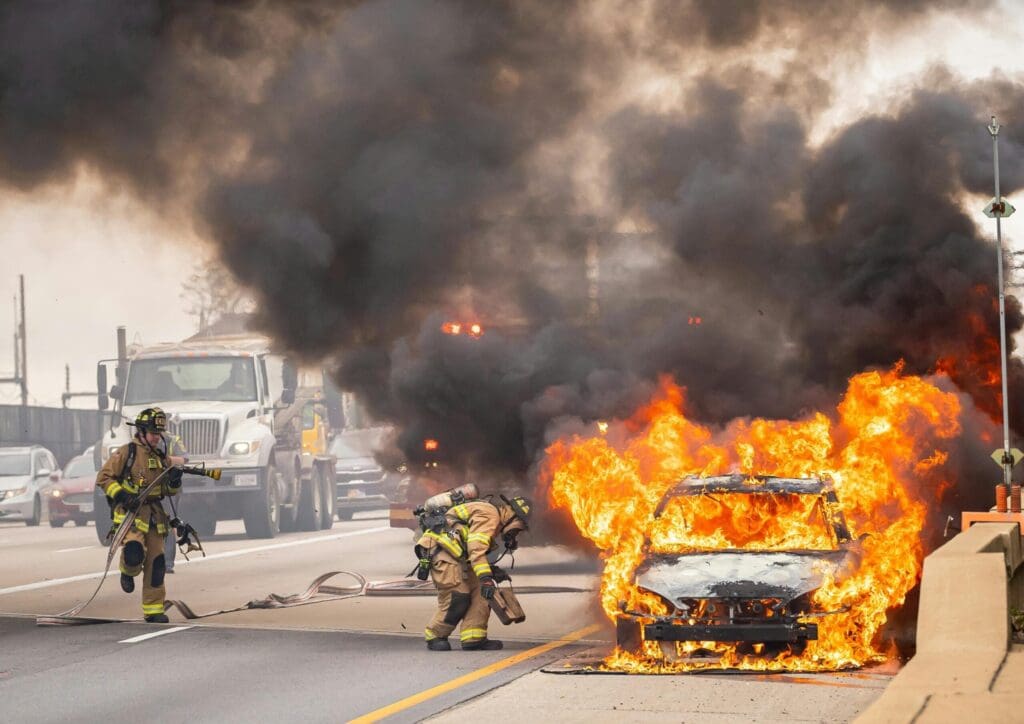
Injury matters group into a few families. Each heading below opens with a practical habit and follows with a general list. The lists describe types of situations in the abstract and are not about any one reader.
Collisions on roads and highways
At the scene, trade information with the other driver, photograph the vehicles, signs and pavement from several angles, and ask how the police report is obtained. Get examined even if you only feel sore, since symptoms sometimes arrive days later. Typical situations:
- Collisions between passenger cars
- Wrecks involving trucks and tractor trailers
- Bicycle collisions
- Motorcycle collisions
- A drunk driver at fault
- A driver paying attention to something else
- Reckless driving
- Any other kind of motor vehicle accident
What must a driver’s liability policy at least provide? The Department of Revenue’s page on the Financial Responsibility Law answers with three limits: $25,000 for each injury or death in an accident, $50,000 for total injuries or deaths per accident, and $25,000 per accident for property damage. The page describes them as required minimums. It also refers to an exemption, and whether that matters for a given vehicle is a question for a lawyer.
Dangerous conditions at a property
A property owner or manager may be asked whether a hazard was known and left alone. If you fall, record the exact spot, the light, your footwear and the names of those nearby. Keep what you were wearing. Typical situations:
- Damaged steps and stairways
- Dark alleyways and walkways
- Wet or slippery flooring
- Surfaces that are not level
- Burns caused by a hazard on the premises
- Contact with chemicals
- Dog attacks
- Similar hazards
Injuries on the job
Work injuries bring an employer and often an insurance carrier into the picture, and occasionally outside companies as well. Notify your employer as required, retain your own copy of anything submitted and tell every provider the injury is work related. A lawyer can say which process fits. Typical situations:
- Slips and falls at the workplace
- Unsafe working conditions
- Equipment left in poor repair
- Electrical hazards
- Lung disease or asbestosis connected to work exposure
- Other injuries that happen on the job
Items that fail and treatment that goes wrong
Save the product, its packaging and the receipt if an item hurt you, and wait for a qualified person to examine it before any repair. If medical treatment is in question, ask for your records and bills and write what happened in order. A proper review usually needs trained people.
The state as the other party
Because the state is a different kind of defendant, its published limits deserve a mention. The Treasury Department’s Claims Against the State page lists $300,000 for each person and $1 million for each occurrence for automobile liability, general liability and professional malpractice. The mention is limited to those three categories, and no other claim against the state is described on this page.
When someone has died
Death claims are separate from injury claims. When another party’s carelessness is behind a death, relatives may be able to bring one, but this page does not state who may. Fatal accidents can include:
- House and building fires
- Vehicle accidents on the road
- Falls on stairs or ladders
- Electrocutions
- Drowning incidents
- Firearm incidents
- Other kinds of fatal incident
No rule on responsibility and no deadline for a death claim is stated here, beyond the case in the opening section. Each depends on the kind of matter, and each is a fair question for a lawyer.
Matters of creative ownership, branding and business names are outside this page and are covered by intellectual property attorneys in Cleveland.
Use the form on this page to send a short description of your matter
How To Start The Personal Injury Attorney Tennessee Cleveland Intake Process
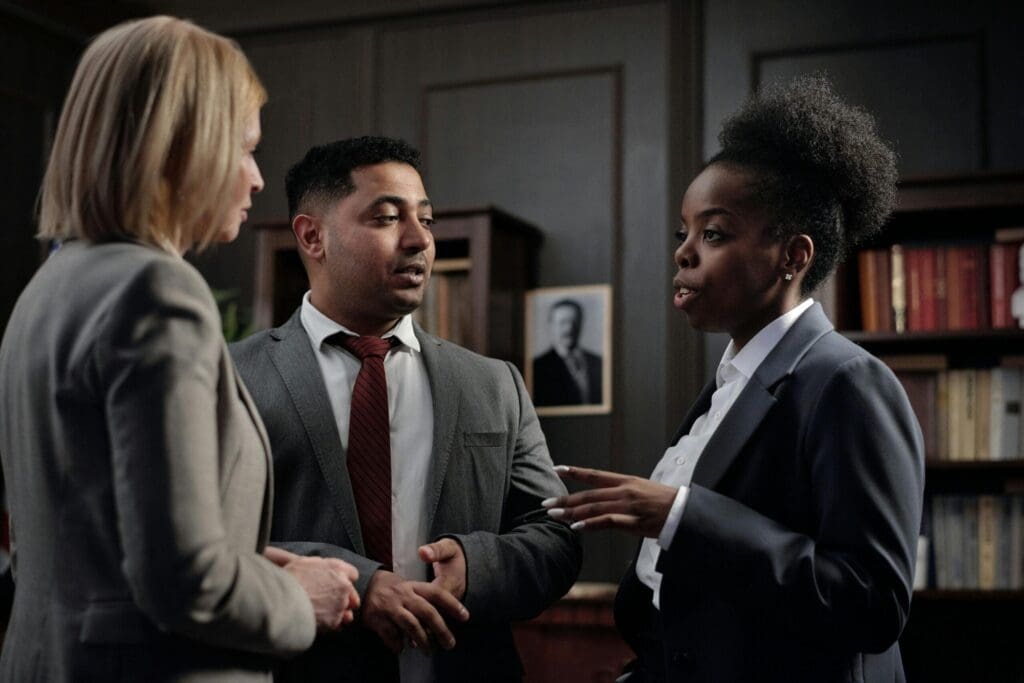
If you decide to move forward, use the form on this page. Expect to enter your name, contact details and a few lines on what happened. Plain sentences are fine. When a question seems not to apply, leave it empty and mention why in your description.
You will find the form easier if these are in front of you:
- Any case number or claim number
- Names of the people and companies involved
- Where you were treated and on which dates
- Photographs or letters you intend to mention
Where your memory is thin, say it is thin. “Not sure of the date” is better than a confident guess you have to retract.
Sending the form carries no obligation. It starts a discussion, and the eventual result of a matter cannot be guessed before the facts are examined. Look at the confirmations with care, and tell only as much as you choose to tell.
Afterward, keep adding to your folder. New bills, updates on how you feel and copies of anything you sign or send all belong there. If something you wrote on the form turns out to be wrong, note the correction and the date so it can be raised with whoever reads the form next.
Other readers in the region may prefer the pages for personal injury attorneys in Harriman and personal injury attorneys in Oak Ridge.
Frequently Asked Questions
What should I bring when I ask for a police report?
The city’s police Records page encourages people requesting reports to bring a case number. It says the incident location, date and names of the parties involved help speed the request.
Where is the Cleveland Police Department listed?
The city’s own police Records page lists the Police Department at 100 Church Street NE, Cleveland, TN 37311. Check that page for anything current before you go.
Is there a records check at the General Sessions Court?
The same Records page lists a local records check with the General Sessions Court at 2230 Blythe Avenue S, Cleveland, TN 37311. What the check covers is not described here, so ask the court.
Do I need to keep a diary of symptoms?
A short daily note about pain, sleep and activities you could not do is helpful. It is far easier to describe a month later than to remember it.
Is it all right to talk with the other driver’s insurer?
You may, but remember that the adjuster works for that insurer. Short factual answers are fair, and a lawyer can advise before you give a recorded statement.
