

Instantly Connect For Your Personal Injury Consultation When Filling Out Form
Your Portland Personal Injury Attorney
Receiving a bill is never welcome, and receiving one after an injury is worse. Readers in Portland who are working out where payments go, who handles what and what the law sources say can use this page as a plain reference. Below are a short definition of a claim, two details from a city page and a careful reading of two legal sources. Nothing here is advice about your own matter, and nothing here forecasts a result.
On the city side, the city’s own departments page lists a Portland Police Department and states its mission as providing safety and security within its jurisdiction. The same page says the Business Office at the back of City Hall, 100 S Russell Street, handles payments due to the city, including court payments. Those are statements about city offices. They do not say how any particular matter would be handled, so use them to find the right counter and not to guess at your case.
Underneath the vocabulary, a personal injury claim is a request that whoever caused the harm, or that party’s insurer, pay what the harm cost. Treatment bills, pay you did not receive and activities you could not take part in are the usual elements. Proof makes the difference, so gather dated photographs, saved receipts and notes written soon after the event.
Questions about blame often lead to the same document: the Tennessee Department of Commerce and Insurance bulletin of June 29, 1993. It describes the Tennessee Supreme Court’s McIntyre decision of 1992 as the one that set up modified comparative negligence, and it says a plaintiff must be less than 50% at fault in order to recover. A description is all it is. The bulletin is not the decision and not the statute as it reads now, so ask a lawyer how fault is treated today.
For deadlines, this page relies on a single decision and says so plainly. The decision is Peterson v. Carey, from the Tennessee Court of Appeals, in an opinion dated October 23, 2023. The court affirmed a ruling applying the one year statute of limitations in section 28-3-104(a)(1) to a passenger’s injury suit that was filed over a year after a car accident. Other kinds of matter may carry other periods, and a lawyer can tell you which one applies to yours.
No hospital or clinic is listed on this page. Wherever you were treated, the provider’s billing office can tell you how to request records, and your discharge papers will name the facility.
For other places, there is a page for personal injury attorneys in White House, and the Tennessee personal injury attorneys overview lists the rest.

What To Look For When Hiring Your Personal Injury Attorney

A good way to choose a lawyer is to decide first what you are choosing for. Some people value frequent updates. Some want a lawyer who explains everything. Some want fewer calls and more action. None of these is wrong, but they pull in different directions, and it helps to know which matters most to you.
Once you know, write it down along with a one page summary of what happened and what care you have had. Take both to each office, so you can ask the same questions and hear how the answers differ. Questions that bring out working style include:
- How often would you expect to update me, and in what form?
- Which decisions will you ask me to make, and how much notice will I get?
- If I call with a quick question, who answers?
- When a matter stalls, what do you do?
- How do you explain choices when there is no clear right answer?
You will learn as much from the manner of the answers as from the content. A lawyer who explains without hurrying, who separates what is known from what is guessed and who invites you to ask again is demonstrating a working style that may suit you.
About cost: request the terms in writing, and read them at your own table. Ask what the document says about expenses if a matter ends without payment, and ask for any unclear phrase to be restated in everyday words. A reasonable office will not mind.
After you have heard from two or three offices, wait a day. Notice which explanation you can still repeat, which office returned your message soonest and which one made you feel heard. Decide when you are ready, not when you are pressed.
At the first meeting, bring whatever you have:
- Bills and statements from every provider you saw
- Photos or video from the day of the injury and the days after
- Receipts and estimates tied to the incident
- Pay records or a note from your employer about time missed
- Letters, emails and texts from insurers or others involved
- A rough timeline, with a question mark wherever you are unsure
Tell the lawyer about the parts you would prefer to skip. A moment of distraction, a rushed decision or an earlier injury to the same area are ordinary details, and they cause the least trouble when you raise them yourself.
Until you decide, take care with calls from insurers. The adjuster works for the insurer. Short, accurate answers are acceptable, a request for time is acceptable and so is a call to a lawyer before you sign a release or agree to a recorded statement.
Intake form for an injury matter in Portland
Personal Injury Types of Cases
Injury matters tend to fall into a few families. A practical habit comes first under each heading, and a general list follows. The lists describe situations in the abstract and are not about any one reader.
Workplace injuries
An injury at work involves the employer and its insurer, and sometimes a contractor or an equipment maker. Report it as your workplace requires, keep a copy of what you file and see that each provider records that it happened at work. A lawyer can explain which route fits your situation. Situations include:
- Falls and slips on the job
- Unsafe working conditions
- Equipment that has not been properly maintained
- Electrical hazards
- Asbestosis or lung disease linked to exposure at work
- Other injuries suffered while working
Dangerous conditions at a property
Whoever controls a property may be asked whether a hazard was known and ignored. After a fall, photograph the exact spot, note the lighting and your footwear and write down who was close by. Keep what you wore. Situations include:
- Stairs that are broken or have no rail
- Lots and alleys without lights
- Floors left slippery
- Walking surfaces that are cracked or uneven
- Burns from a dangerous condition
- Chemical exposure
- Dog bites
- Other unsafe conditions
Road collisions
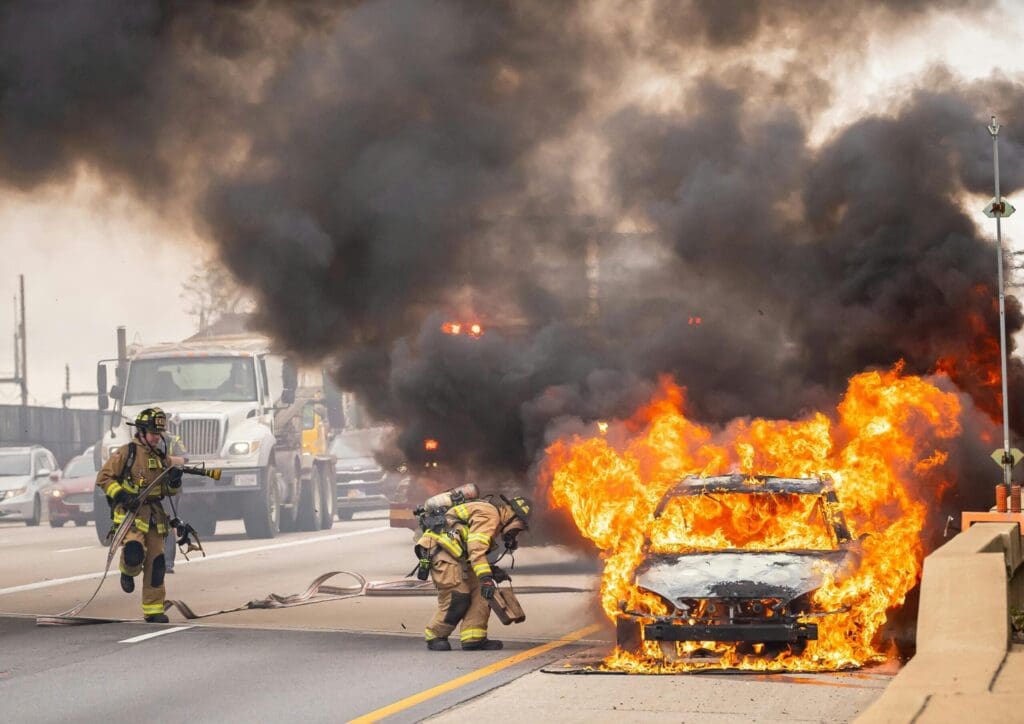
After a crash, swap details with the other driver, photograph the vehicles and road from several positions and ask how to obtain the police report. Medical attention soon afterward is sensible even if you feel only sore. Situations include:
- Crashes between cars
- Crashes involving trucks and tractor trailers
- Bicycle crashes
- Motorcycle crashes
- A driver who had been drinking
- A driver who was distracted
- A driver who was reckless
- Other motor vehicle accidents
The question of how much insurance a driver must carry has a published answer. The Tennessee Department of Revenue’s page on the Financial Responsibility Law gives the required minimum limits of liability car insurance as $25,000 per accident for each injury or death, $50,000 for total injuries or deaths in an accident and $25,000 for property damage per accident. An exemption is mentioned on the page, and a lawyer can check whether a given vehicle is affected.
Product and treatment problems
Save everything about a product that hurt you: the item, the packaging, the receipt. Make no repairs until a qualified person has examined it. If the concern is care, ask for charts, medication lists and bills and write events in order. Care is usually reviewed by trained people.
Claims against the state
If the other side is the state, the first thing to know is that special limits are listed for three categories. The Tennessee Department of Treasury’s page gives them as $300,000 per person and $1 million per occurrence for general liability, automobile liability and professional malpractice. No other category is described on this page, and a lawyer can explain how any other claim against the state would be handled.
Fatal accidents
In a case where carelessness by another party causes a death, relatives may have a claim of their own. This page does not explain who may bring it. Some fatal accidents are:
- Electrocutions
- Falls
- House and building fires
- Road crashes
- Drowning incidents
- Gun related incidents
- Other fatal accidents
What deadline might apply, and who might be responsible, are not questions this page answers, except for the one decision described earlier. A lawyer can explain both, and early contact is sensible.
Disagreements about ownership of a name, a design or a creative work are not injury matters. They are covered on the page for intellectual property attorneys in Portland.
Use the form on this page to send a short description of your matter
How To Start The Personal Injury Attorney Tennessee Portland Intake Process

The page includes a short form for your description of the matter. Fill in your name, a way to reach you and what happened, using your own words. Where a question does not apply, move past it and add a clarifying line to the description.
Handy items to have nearby:
- A report, claim or case number, if you were given one
- The names of the people and businesses involved
- Where you were treated and the dates you were seen
- Pictures, letters or messages you plan to mention
When a fact is uncertain, write that it is uncertain and add who might know. A gap you admit can be filled in later, while a confident mistake may have to be withdrawn.
Consider the form a first step that carries no strings. It does not oblige you, and no forecast can honestly be made before the facts are reviewed. Look closely at what you are asked to confirm, and give only what you are comfortable giving.
Once the form is sent, keep building your folder. New bills, notes about how your symptoms change and copies of anything you sign or send all belong in it. If a bill from the city or a court reaches you, keep it with the rest and note the date it arrived.
Readers in other places may look at the pages for personal injury attorneys in Gallatin and personal injury attorneys in Hendersonville.
Frequently Asked Questions
What does the Portland departments page say about the police department?
The city’s own departments page lists a Portland Police Department and states its mission as providing safety and security within its jurisdiction.
Where does the city say court payments are handled?
The city’s departments page says the Business Office at the back of City Hall, 100 S Russell Street, handles payments due to the city, including court payments.
Does the page list a hospital in Portland?
No hospital is listed on this page. Your own treatment records will name the facility that saw you.
How can I keep track of who I have spoken to?
Write the date, the name of the person and a line about what was said, and keep the notes with your other papers.
