

Instantly Connect For Your Personal Injury Consultation When Filling Out Form
Ready to talk to someone about what happened in Kearns? The form above connects you directly, no need to read everything below first.
Your Kearns Personal Injury Attorney
An injury in Kearns can leave you sorting out bills, pain, and paperwork before you have had a chance to catch your breath. The rules that decide how long you have and what you can recover are written down, and they are clearer than most people expect. The sections below cover the deadlines that apply, the one-year notice rule for government claims, how shared fault is weighed, and the situations people ask about most. Nothing here is specific to Kearns alone, since the same statutes apply across Utah, but where your case is heard depends on the county.

How Long Do You Have? The Short Version
- Car accidents, slip and falls, dog bites, and similar claims: generally 4 years from the injury, under Utah Code 78B-2-307.
- Damage to your vehicle: 4 years from the date of the accident (Utah Code 78B-2-307(3)).
- Losing a family member: 2 years from the date of death to file a wrongful death claim (Utah Code 78B-2-304).
- 2 years for product claims, starting once the harm and its cause are discovered or should have been (Utah Code 78B-6-706).
- Hurt by a government vehicle, building, or employee: file a notice of claim within 1 year, then sue within 2 years (Utah Code 63G-7-402 and 63G-7-403).
When Does the Clock Start on a Utah Injury Claim?
The general limit for an injury lawsuit in Utah is four years from the injury, found in Utah Code 78B-2-307. That is longer than many states allow, but it applies to claims against private parties, and a few claim types run on shorter clocks.
Watch the two-year deadlines: wrongful death (Utah Code 78B-2-304, counted from the date of death) and product liability (Utah Code 78B-6-706, counted from discovery of the harm and its cause).
When the injured person is under 18, Utah Code 78B-2-108 pauses the limitations clock until they turn 18. Claims against a government entity follow their own rules, including a notice requirement, so it is worth asking early rather than assuming.
Injured in Kearns? Get matched with an attorney now.
The Government-Claim Deadline That Is Easy to Miss

If a city, county, school district, or state agency (or one of its employees) caused your injury, Utah’s Governmental Immunity Act requires a written notice of claim within one year after the claim arises (Utah Code 63G-7-402). Miss it and the claim is barred, even though the general limit is four years.
So the sequence is: written notice within one year, a 60-day waiting period, then a lawsuit within two years of when the claim arose (Utah Code 63G-7-402 and 63G-7-403), filed in district court.
The notice has to include a brief statement of the facts, the nature of the claim, and the damages known so far, and it has to reach the right office for that entity (Utah Code 63G-7-401). Sending it to the wrong place can create its own problems.
Utah's 50% Fault Rule
Utah uses a modified comparative fault rule under Utah Code 78B-5-818. Being partly to blame does not automatically end your claim, but you can only recover if your share of fault is less than 50%. At 49%, your recovery is reduced by 49%; at 50% or more, you recover nothing.
In a multi-party case, fault is divided among everyone responsible and each defendant owes only its own share, which makes identifying every responsible party an early priority (Utah Code 78B-5-818(3)).
Where a Kearns Injury Case Is Heard
Utah divides its district courts into eight judicial districts (Utah Code 78A-1-102). Salt Lake County, home to Kearns, falls in the Third Judicial District, and its district court is located in Salt Lake City, the county seat.
Questions People Ask After an Injury in Utah
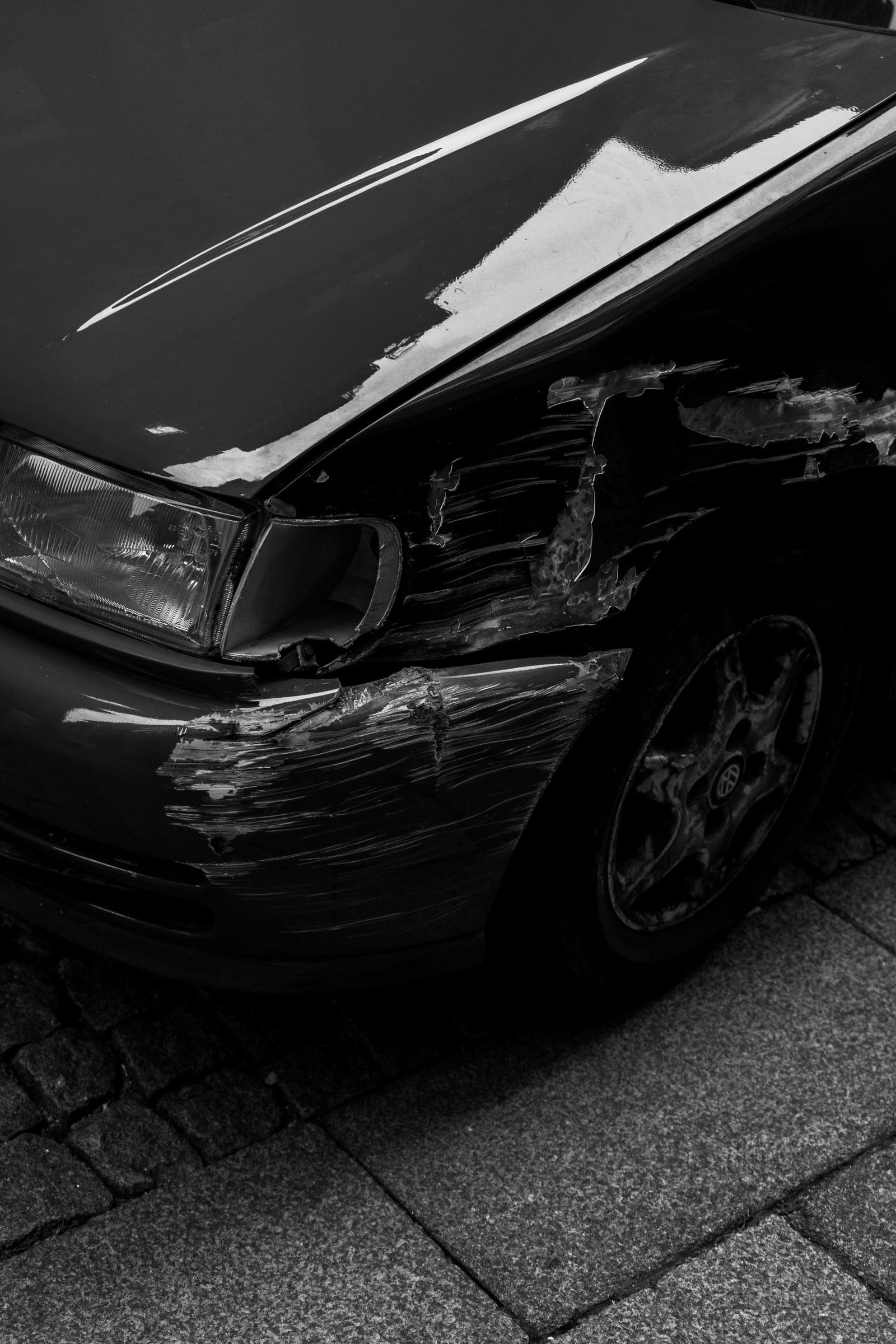
Below are direct answers for the most common kinds of injury claims, each tied to the Utah law that governs it.
How does Utah’s no-fault system affect my car accident claim?
In Utah, PIP coverage pays certain benefits regardless of fault, and it limits when you can sue for general damages: only for death, dismemberment, permanent impairment or disfigurement, a bone fracture, or medical expenses above $3,000 (Utah Code 31A-22-309). The threshold does not apply to uninsured motorist claims.
If a city bus, police car, or other government vehicle caused the crash, the written notice of claim is due within one year (Utah Code 63G-7-402), far sooner than the four-year rule for other drivers.
Do I need a lawyer for a slip and fall in Utah?
You are not required to have one, but many people talk with an attorney early because the property owner’s insurer will already be building its side, and photos, video, and witnesses are easiest to gather right away. Slip and fall cases are ordinary negligence claims with a four-year deadline, and the 50% fault rule applies to your own share.
Your own attention can be raised as a defense. Under Utah Code 78B-5-818, being found 50% or more at fault ends the claim, and lower percentages reduce it.

What if I did not realize a product caused my injury?
The two-year clock in Utah Code 78B-6-706 does not start until you discovered, or should have discovered, both the harm and its cause. If the connection was not obvious at first, that discovery date is where an attorney will start.
Fault can still be shared in a product case: Utah Code 78B-5-818 reduces recovery by your own percentage and bars it at 50% or more.
Is a wrongful death claim in Utah treated differently from a regular injury claim?
In two practical ways: the clock is two years from the date of death rather than four years from injury (Utah Code 78B-2-304), and the claim belongs to the heirs or is brought by a personal representative for them (Utah Code 78B-3-106).
If the person who died was an adult with a guardian at the time of death, only one action may be maintained for the person’s injury or death (Utah Code 78B-3-106(2)).
Do I have to prove the dog had bitten before to have a dog bite case in Utah?
No. Under Utah Code 18-1-1, the owner or keeper is liable regardless of whether the dog is vicious or mischievous or the owner knew it. There is a narrow exception for a trespasser injured on fenced private property, and shared fault can still reduce damages under Utah Code 78B-5-818.
Getting medical care promptly matters for your health and your claim, and reporting the bite creates an official record of what happened.
Your situation may not match any of these exactly. Tell us about it.
What Is Local About a Kearns Claim
Injury claims from Kearns generally go through the Salt Lake County district court, and the deadlines and fault rules on this page apply to them exactly as written.
If a medical mistake was involved, see our Kearns medical malpractice resources.
Nearby cities we also cover: our coverage in Murray.
Frequently Asked Questions
When does the clock start on a Utah injury claim?
Usually on the date you were injured. Product claims start when you discovered, or should have discovered, the harm and its cause, and an injured child’s clock is paused until age 18 (Utah Code 78B-6-706 and 78B-2-108).
Is the wrongful death deadline shorter than other Utah injury deadlines?
Yes. It is two years (Utah Code 78B-2-304), compared with four years for most injury claims (Utah Code 78B-2-307).
Where do I send a notice of claim in Utah?
To the office Utah Code 63G-7-401 names for that kind of entity: for example the city or county clerk for local claims, or the attorney general for the state.
Who decides how much fault I share in a Utah case?
The fact finder, usually a jury, assigns percentages of fault to each person involved when a party asks for it (Utah Code 78B-5-818 and 78B-5-819).
How long do I have to sue after a car accident in Utah?
Generally four years from the accident under Utah Code 78B-2-307, or a much shorter notice period if a government vehicle or entity was involved.
Can my own carelessness affect a slip and fall claim?
Yes. Under Utah Code 78B-5-818 your recovery is reduced by your share of fault and barred if your fault reaches 50% or more.
Is there an exception to Utah’s dog bite liability rule?
Yes. An owner is not liable for injury to a trespasser who violated Utah Code 76-6-206(2) if the injury happened on the owner’s private property while the dog was reasonably secured within a fence or enclosure (Utah Code 18-1-1(3)).
Is the product liability deadline shorter than the general injury deadline?
Yes. It is two years from discovery (Utah Code 78B-6-706), compared with four years for most injury claims.
Can a government-entity injury claim go to any court?
No. The district court has original and exclusive jurisdiction over Governmental Immunity Act claims (Utah Code 78A-5-102).
Does it cost anything to talk to a personal injury attorney in Utah?
A personal injury attorney in Utah typically offers a free initial consultation to discuss your case and the options available.
Start the Process Now
The insurance company on the other side typically starts building its position right away, while evidence is still fresh, and the same early window benefits your own claim too. You do not have to know exactly what to ask. A short conversation with a real person, at no cost and with no obligation, is usually the clearest way to find out where things stand.