

Instantly Connect For Your Personal Injury Consultation When Filling Out Form
Ready to talk to someone about what happened in Manti? The form above connects you directly, no need to read everything below first.
Your Manti Personal Injury Attorney
Whether it was a crash, a fall, a dog, or a faulty product, an injury in Manti raises the same practical questions: how long do I have, who is responsible, and does my own share of blame matter? Utah has specific answers to each. Keep reading for the time limits, the government-claim notice that catches people off guard, the way Utah weighs fault, and where a case is actually heard. Deadlines in Utah run on fixed dates, so learning them early usually matters more than trying to catch up later.

How Long Do You Have? The Short Version
- Standard injury claims get 4 years from the date of injury, per Utah Code 78B-2-307.
- Property damage to your car: 4 years, a separate claim from your injuries (Utah Code 78B-2-307(3)).
- Wrongful death claims: 2 years, running from the death itself rather than the earlier injury (Utah Code 78B-2-304).
- Injured by a faulty product: 2 years from when you knew or should have known about both the injury and its cause (Utah Code 78B-6-706).
- Claims against a city, county, school district, or the state: written notice of claim within 1 year after the claim arises, then a lawsuit within 2 years (Utah Code 63G-7-402 and 63G-7-403).
How Long You Have to File in Utah
Utah does not have a separate deadline for most personal injury lawsuits. They fall under the general four-year limit in Utah Code 78B-2-307, which runs from the date of injury. A crash in Manti and a fall at a store in Sanpete County are handled the same way on timing.
Not every claim gets the full four years. Wrongful death is limited to two years from death under Utah Code 78B-2-304, and product liability to two years from discovery of the harm and its cause under Utah Code 78B-6-706.
For an injured minor, Utah Code 78B-2-108 stops the limitations period from running until age 18. Claims involving government entities are governed by their own rules and notice requirements, which is a good reason to ask sooner rather than later.
Injured in Manti? Get matched with an attorney now.
Claims Against a City, County, or the State

If a city, county, school district, or state agency (or one of its employees) caused your injury, Utah’s Governmental Immunity Act requires a written notice of claim within one year after the claim arises (Utah Code 63G-7-402). Miss it and the claim is barred, even though the general limit is four years.
Two more timing rules follow the notice: you cannot file the lawsuit until 60 days after the notice is filed, and you must file it within two years after the claim arises (Utah Code 63G-7-403). These claims are heard exclusively in Utah’s district courts.
The notice has to include a brief statement of the facts, the nature of the claim, and the damages known so far, and it has to reach the right office for that entity (Utah Code 63G-7-401). Sending it to the wrong place can create its own problems.
Does Being Partly to Blame End Your Claim?
Under Utah Code 78B-5-818, your own fault reduces what you recover in proportion to your share, and it bars recovery entirely once your share reaches 50%. Put simply, the other side’s fault has to be greater than yours.
When more than one party caused your injury, the fact finder assigns each a percentage, and no defendant pays more than its own percentage (Utah Code 78B-5-818(3) and 78B-5-819).
Where a Manti Injury Case Is Heard
Personal injury cases in Utah are heard in district court. Manti sits in Sanpete County, in the Sixth Judicial District (Utah Code 78A-1-102), and the county’s district court is located in the county seat, Manti (Utah Code 78A-5-101).
Common Utah Injury Situations, Answered
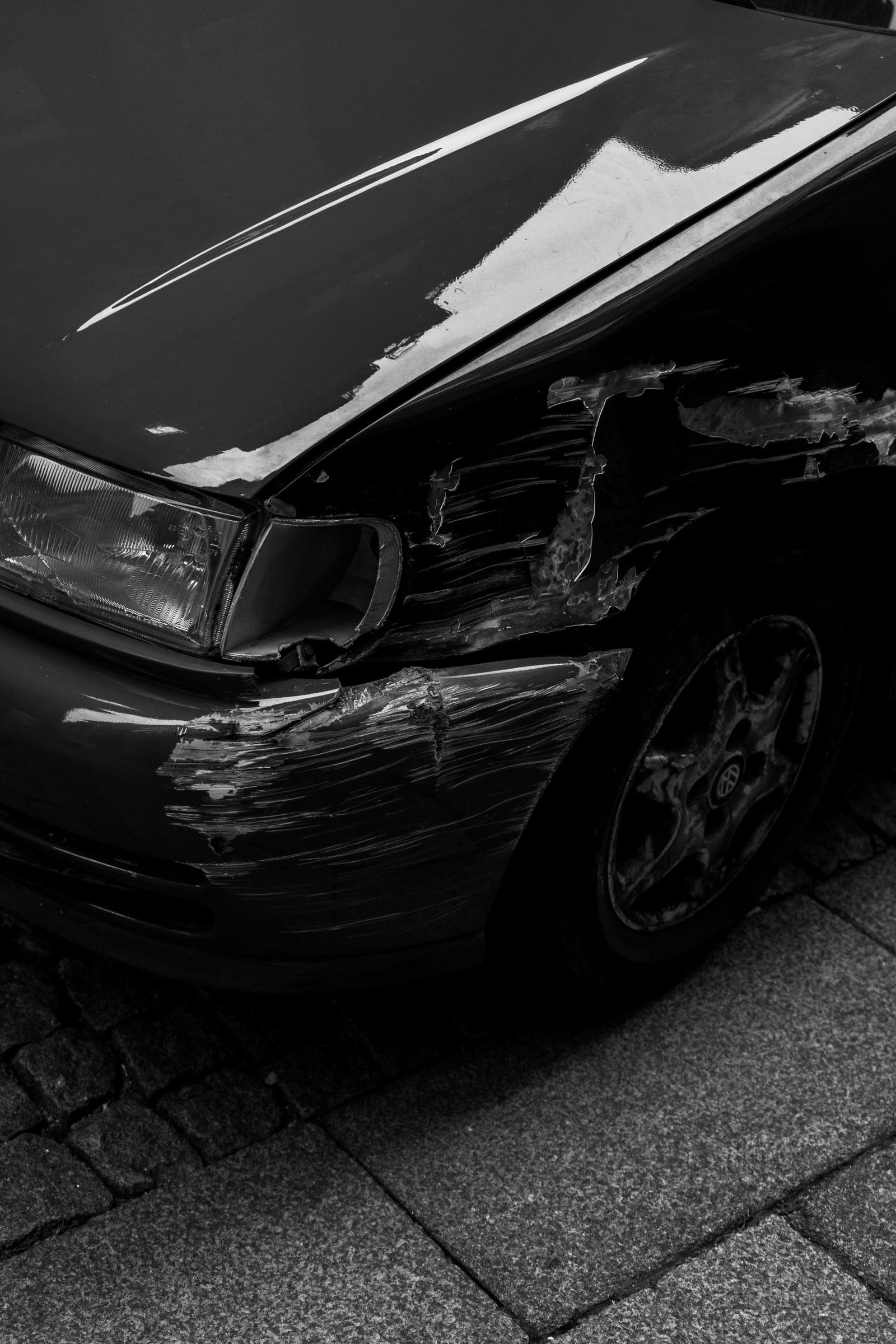
Below are direct answers for the most common kinds of injury claims, each tied to the Utah law that governs it.
What should I know about a car accident claim in Utah?
Utah is a no-fault state, so your own personal injury protection (PIP) benefits come first. To bring a claim for general damages such as pain and suffering, you generally need one of the following: death, dismemberment, permanent disability or impairment based on objective findings, permanent disfigurement, a bone fracture, or more than $3,000 in medical expenses (Utah Code 31A-22-309). The lawsuit deadline is generally four years.
Your own fault matters even in a no-fault system: the injury lawsuit is measured under Utah Code 78B-5-818, so at 50% fault or more, general damages are barred.
Can I sue if I slipped and fell on someone else’s property in Utah?
Possibly. Slip and fall claims are premises-liability negligence claims: the question is generally whether the owner knew, or reasonably should have known, about the hazard and failed to fix it or warn about it. The general four-year deadline applies, and your own share of fault can reduce or bar recovery under Utah Code 78B-5-818.
If the property belongs to a city, county, school district, or the state, this becomes a government claim: written notice within one year (Utah Code 63G-7-402), then suit within two years.

Can I sue over a defective product that hurt me in Utah?
Yes. Utah’s product liability deadline is two years from when you discovered, or reasonably should have discovered, both the harm and what caused it (Utah Code 78B-6-706). That discovery language matters when the link between an injury and a product only becomes clear later.
Fault can still be shared in a product case: Utah Code 78B-5-818 reduces recovery by your own percentage and bars it at 50% or more.
My family member died because of someone’s negligence in Utah, what are our options?
Utah allows a wrongful death action by the heirs or a personal representative for the heirs’ benefit (Utah Code 78B-3-106), and it must be filed within two years of the date of death (Utah Code 78B-2-304). Talking with an attorney early helps protect that window.
If the person who died was an adult with a guardian at the time of death, only one action may be maintained for the person’s injury or death (Utah Code 78B-3-106(2)).
Does Utah have a dog bite law?
Yes. Utah Code 18-1-1 makes the owner or keeper of a dog liable for its injuries regardless of the dog’s history or the owner’s knowledge, with damages determined under Utah’s comparative fault rule (Utah Code 78B-5-818).
There is a narrow exception: an owner is not liable to a trespasser who was violating Utah Code 76-6-206(2) if the injury happened on the owner’s private property while the dog was reasonably secured in a fence or other enclosure (Utah Code 18-1-1(3)).
Have questions about your Manti claim? Ask a local attorney.
Manti, Sanpete County, and the Courts
People in Manti deal with the same statewide deadlines as everyone in Utah. What is local is the court: Sanpete County’s district court, in the Sixth Judicial District.
Hurt by a doctor or hospital instead? Read about medical malpractice claims in Manti.
Frequently Asked Questions
What is the statute of limitations for personal injury in Utah?
Four years for most injury claims, counted from the injury (Utah Code 78B-2-307). A few claim types, such as wrongful death and claims against public entities, are shorter.
How long do we have to file a wrongful death lawsuit after losing a family member?
Two years from the date of death (Utah Code 78B-2-304), which is shorter than the four-year limit for most injury claims.
Is there a shorter deadline if a city, county, or the state caused my injury?
Yes. A written notice of claim is due within 1 year after the claim arises (Utah Code 63G-7-402), and the lawsuit within 2 years (Utah Code 63G-7-403).
Is Utah a pure comparative fault state?
No. Utah uses a modified rule: recovery is reduced by your share of fault but barred entirely at 50% or more (Utah Code 78B-5-818).
How long do I have to sue after a car accident in Utah?
Generally four years from the accident under Utah Code 78B-2-307, or a much shorter notice period if a government vehicle or entity was involved.
How long do I have to sue after a slip and fall in Utah?
Four years on private property (Utah Code 78B-2-307). On public property, a written notice of claim is due within one year (Utah Code 63G-7-402).
Is there an exception to Utah’s dog bite liability rule?
Yes. An owner is not liable for injury to a trespasser who violated Utah Code 76-6-206(2) if the injury happened on the owner’s private property while the dog was reasonably secured within a fence or enclosure (Utah Code 18-1-1(3)).
Should I keep the product that hurt me?
Yes, if it is safe to do so. Keep the product, packaging, receipts, and any photos, because they are often central evidence.
Where can I file an injury lawsuit in Utah?
Generally in the county where the cause of action arose or where a defendant lives (Utah Code 78B-3a-201).
Do I have to decide right away whether to hire an attorney?
No. An initial conversation does not commit you to anything, though reaching out sooner helps preserve evidence while Utah’s deadlines are running.
What You Do Next Matters
Waiting rarely helps an injury claim: the other side is already working, and the deadlines above do not pause while you recover. You do not need every detail sorted out first. Talking it through with a real person costs you nothing and commits you to nothing, and it is often the clearest way to see what is at stake.