

Instantly Connect For Your Personal Injury Consultation When Filling Out Form
Your Burns Personal Injury Attorney
An injury claim out of Burns depends on facts specific to what happened, but the legal framework is the same one that applies throughout Oregon: a filing deadline, a comparative-fault rule, and special notice requirements for claims against a government body.
NeedAnAttorney.net connects people injured in Burns with an attorney who handles Harney County cases. Below is what that framework actually requires.

Deadlines, Fault and Government Claims
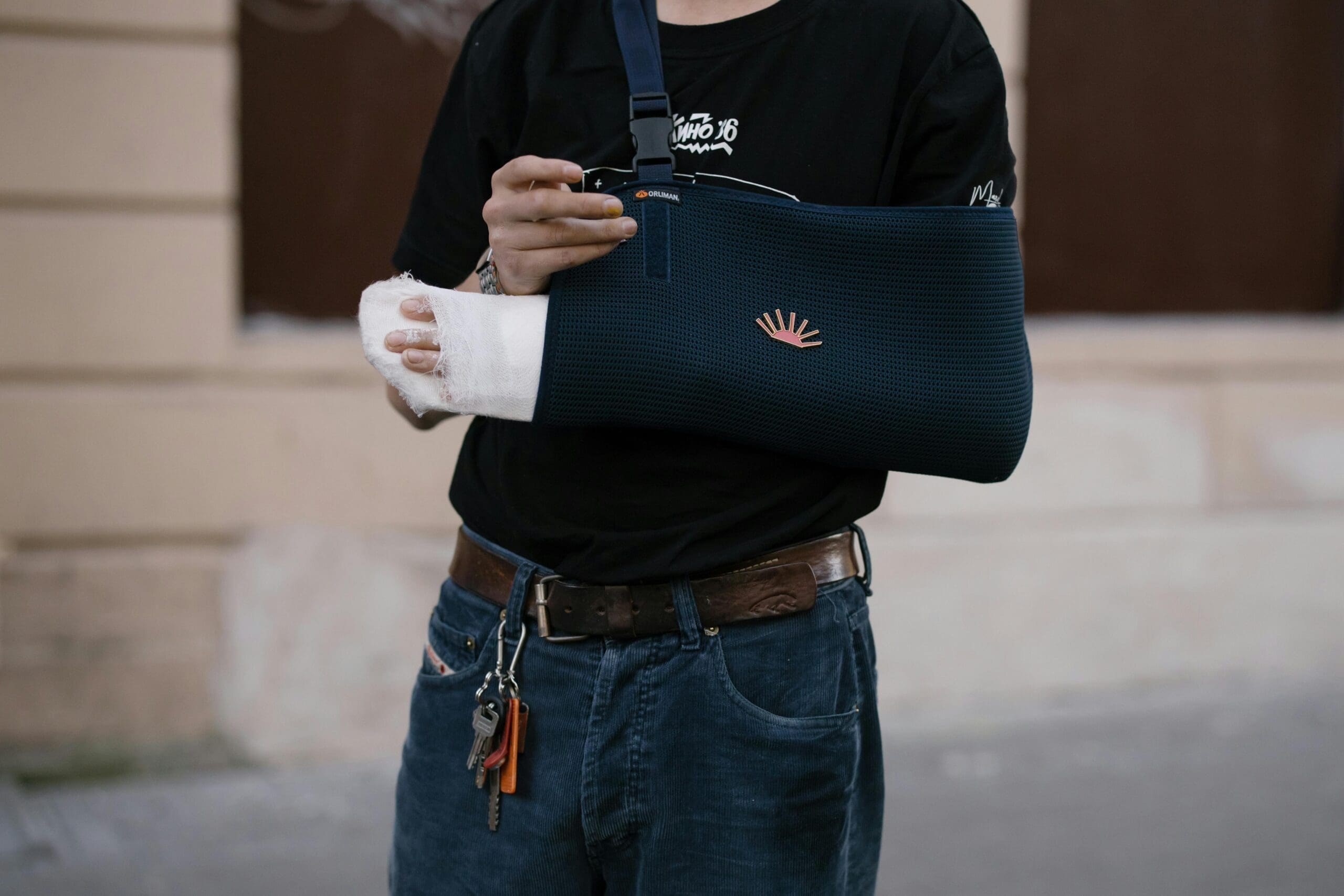
Two years, generally. That’s the deadline Oregon sets for most personal injury lawsuits (ORS 12.110(1)). A minor’s deadline is different: it doesn’t start until they turn 18, and even then the law caps the total extension at five years, or one year past the birthday, whichever is sooner (ORS 12.160).
Fault isn’t all-or-nothing. Under Oregon’s comparative-fault rule, you can still recover if you’re partly at fault, so long as your share doesn’t exceed everyone else’s combined fault (ORS 31.600(1)). Recovery shrinks proportionally below 50%, and disappears above it.
Public bodies get special treatment. Claims against a government entity require notice generally within 180 days, one year for wrongful death, and the lawsuit itself is still due within two years (ORS 30.275(2), (9)).
Ready to talk to a personal injury attorney about your Burns case?
Get Started Now
What Kind of Injury Claims Come Up in Harney County
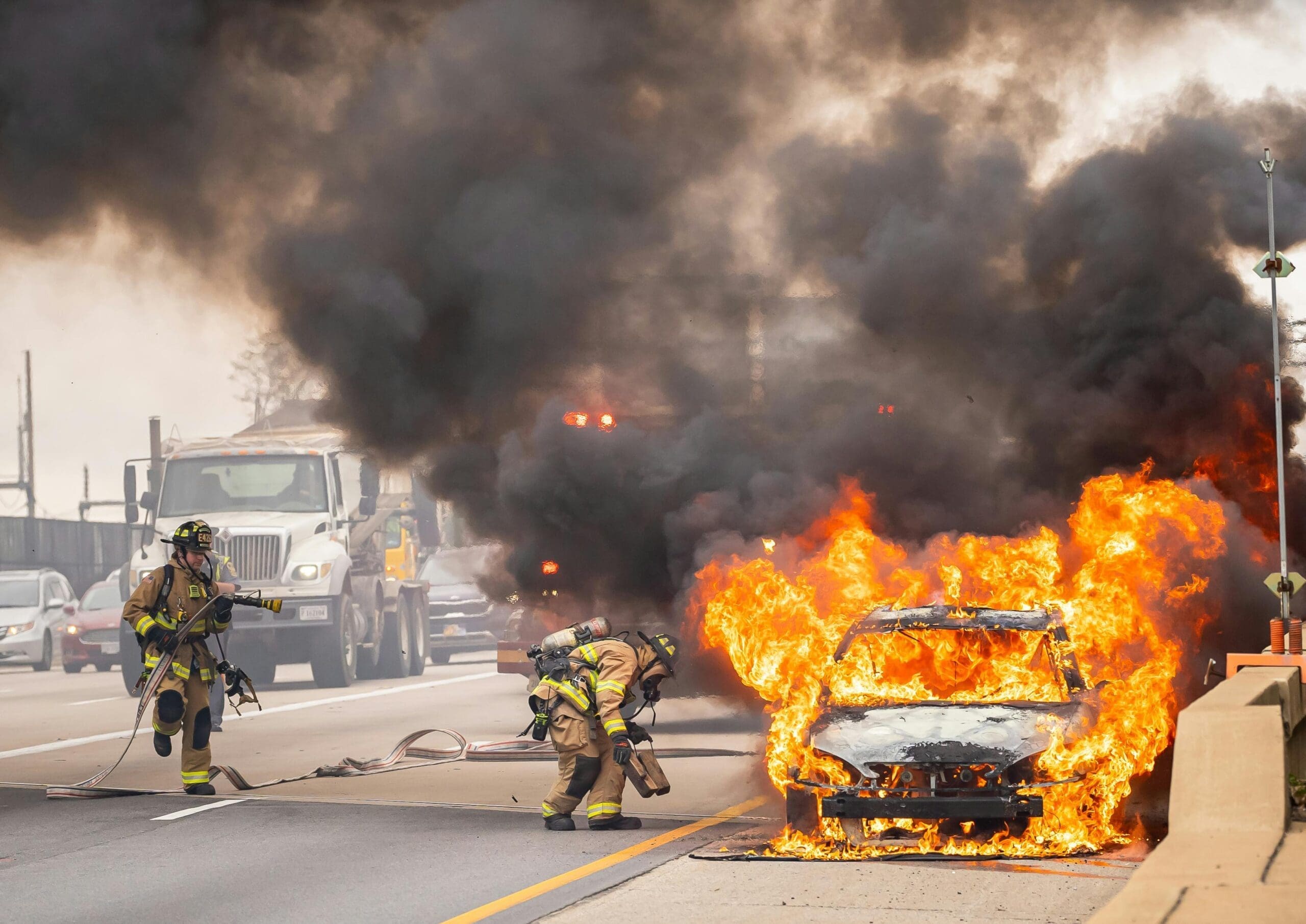
Crashes involving cars, trucks or motorcycles
The fault-sharing rule treats every crash the same way, reducing recovery in proportion to fault, barring it past 50%.
Falls tied to hazardous property conditions
Liability follows when a property owner knew, or should have known, about a hazard and failed to address it, subject to the same shared-fault treatment.
Injuries from dog bites
A strict-liability claim requires a prior court finding that the specific dog was “potentially dangerous” (ORS 609.115); without it, the claim depends on proving negligence.
Claims tied to alcohol service
A server or host held liable for a visibly intoxicated patron’s actions must be shown liable by clear and convincing evidence, with notice given on time, 180 days generally, one year for death claims (ORS 471.565).
Wrongful death
Three years generally applies to a wrongful death filing (ORS 30.020(1)), with the statute naming loss of companionship and society among the recoverable damages (ORS 30.020(2)).
What Insurance Adjusters Don't Tell You
What to expect from the insurance company
An adjuster’s incentive is to resolve the claim for as little as possible, and the first recorded statement is often where that starts. Questions are frequently framed to draw out answers that minimize the injury or shift blame toward the claimant. For a Burns claim, giving a full recorded statement before talking to an attorney is rarely a good idea.
Evidence that actually moves the needle
Photos from the scene, prompt medical treatment, consistent follow-up care, and a documented record of lost income and expenses tend to matter most. Any gap in treatment, or any inconsistency across what was told to police, doctors, and the insurer, becomes an opening the adjuster will use.
Uninsured Drivers and Multi-Vehicle Accidents in Burns
When the at-fault driver has no insurance
If the driver who caused a Burns crash has no insurance, or not enough to cover the damages, the injured person’s own uninsured/underinsured motorist coverage, which Oregon requires insurers to offer, often becomes the primary source of recovery. This isn’t automatic money, the claim still has to be proven, but it’s frequently the only realistic path to compensation when the at-fault party can’t pay on their own.
Accidents involving more than one vehicle
A multi-vehicle crash spreads fault across several parties, and Oregon’s comparative-fault rule (ORS 31.600) still applies: recovery from each defendant is reduced by that defendant’s own share of the blame, and the injured person’s own fault, if any, reduces the total recovery unless it exceeds 50%. Sorting out who owed what share of fault, and to which insurer, is often the most contested part of these cases.
Premises Liability and Wrongful Death, In Depth
Fall and premises claims, a closer look
The core question in a Burns fall case is notice, whether the property owner knew about the hazard, or reasonably should have, with enough time to address it. The standard two-year deadline and comparative-fault reduction apply here just like any other injury claim (ORS 12.110(1), ORS 31.600), and internal maintenance or incident records frequently make or break the case.
Wrongful death depending on how it happened
The three-year deadline for wrongful death (ORS 30.020(1)) doesn’t change based on cause, but the SECONDARY deadlines can stack on top of it: a death involving a government entity still triggers the 180-day notice rule (ORS 30.275), and a death tied to a defective product still runs against that product’s own filing window (ORS 30.905).
How a claim typically moves forward
Treatment first, then documentation, then a formal demand to the insurer, then negotiation, and litigation if that doesn’t resolve it. Most Burns claims settle, but the insurer’s opening offers tend to reflect whether the person on the other side has a lawyer.
Comparative Fault in Practice
Categories of recoverable compensation
Medical bills, lost income, reduced future earning capacity, pain and suffering, and property damage are the usual categories in a Burns claim. Most of these aren’t capped under Oregon law for a standard personal injury case, though government-entity claims are the exception.
How fault-sharing actually plays out
If a jury values a case at $50,000 and finds the injured person 30% at fault, the award becomes $35,000 (ORS 31.600). Fault above 50% eliminates recovery entirely. Because insurers know this, they frequently argue for a higher fault percentage than the facts really support.
Injury Claims That Don't Involve a Car Crash
Wrecks involving a rideshare driver
Rideshare crashes around Burns bring more than one insurance policy into play. State law puts the burden on the company to insure the driver, passengers and any pedestrian hit while a ride is underway (ORS 742.520); the driver’s personal insurer, meanwhile, is allowed to exclude app-driving time from coverage (ORS 742.520(1)(e)). Which policy actually applies takes real analysis.
Motorcycle wreck injuries
Oregon requires helmets for motorcycle riders without exception for adults generally (ORS 814.269). No helmet doesn’t erase a valid claim, but it’s a comparative-fault card the other side will play.
Defective product injuries
These claims run on a distinct clock: two years from discovering the defect, no later than ten years after the product was first purchased (ORS 30.905).
Abuse of an elderly or otherwise vulnerable person
Physical or financial abuse of a vulnerable adult carries an unusually strong civil remedy in Oregon: triple economic damages, triple noneconomic damages, attorney fees (ORS 124.100), discoverable within seven years (ORS 124.130).
When an Injury Happens on the Job, or Changes Everything
On-the-job injuries in Burns
Workers’ compensation, not a direct lawsuit, is usually how an on-the-job injury gets handled, since a covered employer’s liability is exclusive under Oregon law (ORS 656.018). A claim against a negligent third party, someone other than your employer, is a separate track that can run alongside workers’ comp benefits rather than replacing them (ORS 656.154).
Catastrophic brain and spinal cord injuries
The same two-year deadline applies to a brain or spinal cord injury claim as any other (ORS 12.110(1)), though the severity and often-permanent nature of these injuries means the medical record, and the eventual case value, tend to look very different from a routine claim.
Ready to talk to a personal injury attorney about your Burns case?
Get Started Now
How To Start The Personal Injury Attorney Oregon Burns Intake Process
If you were injured in Burns, the form on this page connects you with an attorney who handles personal injury cases in Harney County. There is no cost to use it and no obligation to hire the attorney you speak with.
Before that call, gather what you have: photos of the scene and your injuries, any incident report, medical records and bills, and the names of anyone who saw what happened.
Looking for help outside Burns? We also connect clients with personal injury attorneys in John Day, Ontario, and Baker City. For a criminal defense matter tied to the same case, our Burns criminal defense page is a separate resource, and the Oregon personal injury hub lists every city on our list.
Local Court Details for Burns
Burns falls under Harney County’s court system: the Circuit Court of Harney County, part of the Twenty-fourth Judicial District, shared with Grant County (ORS 3.012). Burns is the county seat, so the courthouse is local.
Frequently Asked Questions: Burns Personal Injury
Can I sue if I was bitten by a dog in Burns?
Possibly, but Oregon’s strict-liability rule for dog bites only applies if a court had already found that specific dog to be a “potentially dangerous dog” before the bite (ORS 609.115). Otherwise, a claim depends on showing the owner knew or should have known the dog was dangerous.
Does Oregon cap the damages I can recover?
Not for most personal injury claims. Oregon does not cap most compensatory damages, though claims against government entities are subject to separate statutory limits.
What should I do right after an accident in Burns?
Get medical attention, document the scene and your injuries with photos, get a police or incident report if possible, and get the contact information for any witnesses. Avoid giving a recorded statement to an insurer before speaking with an attorney.
How quickly should I contact an attorney after an injury?
As soon as reasonably possible. Evidence can disappear, witnesses become harder to reach, and shorter deadlines, like the 180-day government notice period, can pass quickly.
Will my case go to trial?
Most personal injury cases settle before trial, but retaining an attorney prepared to try the case in court can strengthen negotiating leverage.
What if I was a minor when I was injured?
The two-year filing deadline is paused while you are under 18, capped at five years total or one year past your 18th birthday, whichever happens first (ORS 12.160).
What if I signed a liability waiver before the activity that injured me?
A waiver doesn’t automatically bar a claim. Courts look at how it was written and the specific circumstances of the injury before deciding whether it holds up.
Can more than one party be held responsible for my injury?
Yes, multiple parties can share liability depending on the facts, and Oregon’s comparative-fault framework accounts for apportioning responsibility among them.
Can I still recover if the at-fault party has no insurance?
Possibly through your own uninsured or underinsured motorist coverage, which Oregon requires insurers to offer. An attorney can review what coverage applies.
Can I sue a bar that overserved someone who then hurt me?
Oregon allows this kind of claim, but it requires clear and convincing evidence that the bar served a visibly intoxicated person, and notice to the bar within 180 days, or one year for a wrongful death claim (ORS 471.565).