

Instantly Connect For Your Personal Injury Consultation When Filling Out Form
Your Longmont Personal Injury Attorney
The short answer. In Colorado most injury claims must be filed within two years, and three years for injuries from a motor vehicle (C.R.S. §§ 13-80-102 and 13-80-101). The trial court for Boulder County sits in Boulder, at 1777 6th St., Boulder, CO 80302. To talk it through, send the form on this page and we will work to connect you with an attorney in our network.
Recovering from an injury is hard enough without legal confusion on top of it. If someone else’s carelessness hurt you in Longmont, you are allowed to take your time understanding your options before you sign or say anything.
This page is general information, not legal advice. NeedAnAttorney.net matches people with attorneys and does not represent anyone. The legal points below come from Colorado’s statutes, and the form at the top of the page is how you reach an attorney.

Questions To Ask A Longmont Injury Attorney
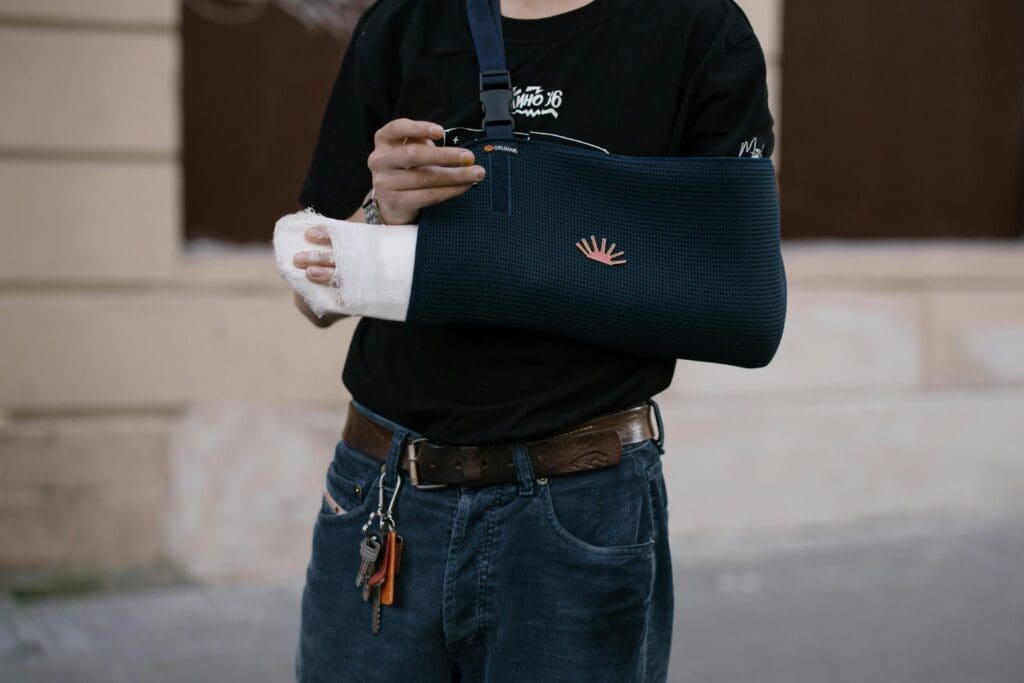
Ask these in any first conversation:
- If you were partly to blame. Ask what happens to your award if a jury puts a percentage on your fault. Damages are diminished in proportion to your negligence, and the court enters judgment for the defendant if your share is equal to or greater than the defendant’s (C.R.S. § 13-21-111).
- The date. Ask the attorney to name the exact last day to file in your case. Colorado allows two years for most injury claims and three years when the claim comes from the use or operation of a motor vehicle (C.R.S. § 13-80-102, C.R.S. § 13-80-101).
- Claims against the government. Ask whether a public body could be responsible. A written notice must be filed within 182 days after the injury is discovered, and missing it can bar the claim (C.R.S. § 24-10-109).
- The money terms. Ask how fees are calculated and which costs come out of a recovery.
- The people. Ask who will be in touch with you and how quickly they return calls.
Common Kinds of Injury Claims
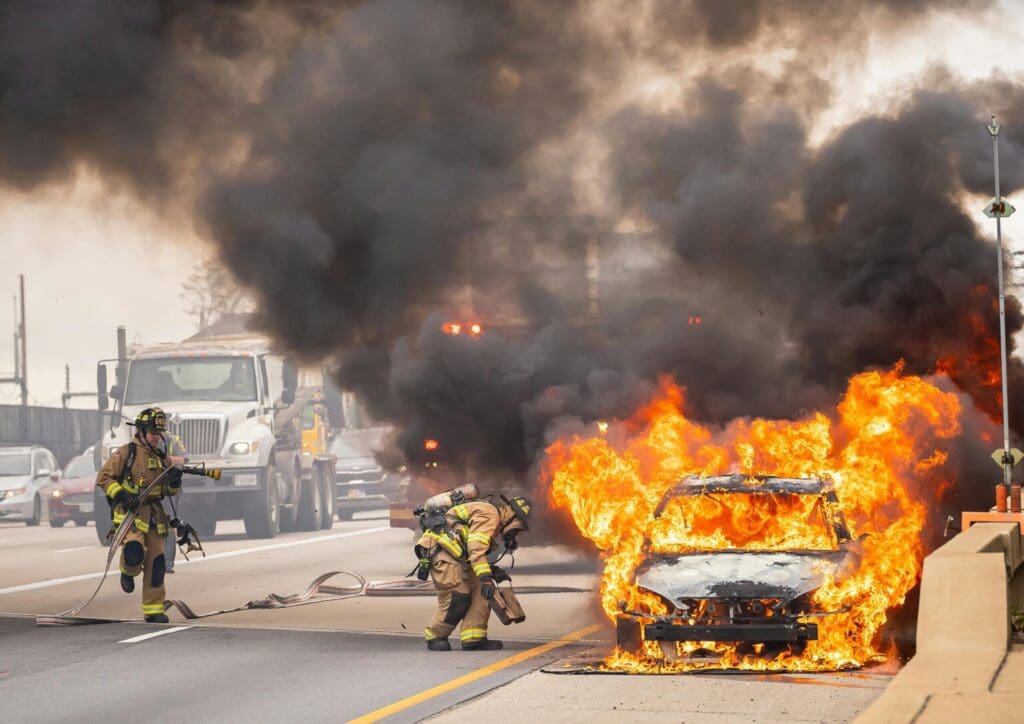
Vehicle crashes
Whether the collision was minor or serious, the same early steps help: get checked by a doctor, photograph the vehicles and the scene, exchange insurance information and keep any repair estimates.
Pedestrian and bicycle injuries
Walkers and cyclists hurt by a vehicle should write down the location, the time of day, the lighting and the signals as soon as they can. Witnesses who stopped are valuable, so ask for their contact details before they leave.
Falls and unsafe property
Falls on someone else’s property usually depend on what the owner knew or should have known about the hazard. Photograph the spot before it changes, report the fall in writing, and keep the shoes you were wearing.
Wrongful death
If a loved one died because of another person’s wrongful act or omission, a different set of rules applies. Colorado law lets an action for damages go forward even though the injured person has died, when the death was caused by a wrongful act, neglect or default that would have entitled the person to sue had death not occurred (C.R.S. § 13-21-202), and the time to sue is set by the general limitation statute (C.R.S. § 13-21-204). You do not have to sort this out alone or quickly; an attorney can explain who is allowed to act and what the dates are.
Injured in Longmont? Get matched with an attorney now.
If You Were Partly At Fault
If an insurer says the accident was partly your fault, that does not end the matter. Colorado lets you recover when your negligence was not as great as the negligence of the person against whom recovery is sought, and the award is reduced by your share (C.R.S. § 13-21-111).
Generally, no defendant owes more than the share of fault attributed to that defendant, and the jury may weigh the fault of a person who is not in the case. The defendant must give notice within ninety days after the action begins unless the court allows longer (C.R.S. § 13-21-111.5).
Punitive Damages And Public Claims
Ask early whether a special rule applies, because it depends on who is responsible. For a private defendant, exemplary damages need fraud, malice or willful and wanton conduct (C.R.S. § 13-21-102) and proof beyond a reasonable doubt (C.R.S. § 13-25-127), and the amount is limited to the actual damages unless the court raises it for conduct during the case.
For a public body, the notice must be filed within 182 days after the injury is discovered, even if you did not yet know every element of a claim (C.R.S. § 24-10-109).
How Long You Have To File
The standard deadline depends on the kind of claim: two years for most tort actions (C.R.S. § 13-80-102), three years for a motor vehicle tort action (C.R.S. § 13-80-101), and one year for assault, battery or false imprisonment (C.R.S. § 13-80-103).
Claims against a public body add a notice step, a written notice within 182 days after the injury is discovered (C.R.S. § 24-10-109). Because the limits differ by claim, ask early which one fits your facts.
Coverage Limits Behind a Crash Claim
Minimum coverage is a floor, not a measure of your claim. Colorado’s required limits are $25,000 for one person, $50,000 for all persons in one accident and $15,000 for property (C.R.S. § 10-4-620).
If a crash leaves you with more bills than the other driver’s policy pays, your own uninsured motorist coverage may matter (C.R.S. § 10-4-609). Before accepting a payment, ask an attorney to check every policy that could apply.
The Court and Hospitals Behind a Longmont Claim
The Census Bureau lists Longmont in more than one county: Boulder County and Weld County. Boulder County’s 20th Judicial District district court is listed in Boulder, at 1777 6th St., Boulder, CO 80302. Weld County’s 19th Judicial District district court is listed in Greeley, at 901 9th Ave, Greeley, CO 80631. In Longmont, the state trauma list names LONGMONT UNITED HOSPITAL as a Level III trauma center. LONGS PEAK HOSPITAL in Longmont appears on the state trauma list as a Level III trauma center.
Records matter later. Get the complete chart and an itemized bill from each place that treated you, and write down the date of every visit, including any transfer to another facility.
How To Begin Your Longmont Claim

The form at the top of this page is the starting point. NeedAnAttorney.net reviews your details and works to match you with an attorney in our network who may handle cases in Colorado. It costs nothing to use and does not commit you to anything.
While you wait, write down what happened and when, who saw it, what treatment you have received and how many days of work you missed. Put bills, letters and insurance messages in one folder.
Frequently Asked Questions
Can I talk to the other side’s insurance company?
You can, but you do not have to give a recorded statement right away. It is fair to say you are getting advice first.
Is a claim against a public body different in Colorado?
It is. The notice must be filed within 182 days after discovery of the injury, even if you did not yet know all the elements of a claim (C.R.S. § 24-10-109).
Does it matter if my attorney knows the Longmont area?
Local knowledge can help with scheduling, courts and medical providers. The form on this page connects you with an attorney who takes cases near Longmont.
What is the deadline to sue for an injury in Longmont?
Two years for most tort actions (C.R.S. § 13-80-102), and three years for a tort action arising out of the use or operation of a motor vehicle (C.R.S. § 13-80-101). A wrongful death action has two years from the date of death (C.R.S. §§ 13-80-102, 13-80-108).
If I was partly responsible, can I still recover something?
Yes, if your negligence was not as great as the negligence of the person you are suing. Your damages are reduced by your share, and if your share is equal to or greater than the defendant’s the court enters judgment for the defendant (C.R.S. § 13-21-111).
Is there a limit on punitive damages in Colorado?
Generally yes. The amount may not exceed the actual damages awarded, though a court may increase it to as much as three times the actual damages if the defendant kept up the behavior or aggravated the harm during the case (C.R.S. § 13-21-102).
How much liability coverage must a Colorado driver carry?
The minimums are $25,000 per person, $50,000 per accident and $15,000 for property damage (C.R.S. § 10-4-620).
Which records matter most after an accident?
Keep your medical records and itemized bills, photographs of the scene and injuries, any police or incident report number, proof of missed pay, repair estimates, and all messages from insurers.
Help Elsewhere in Colorado
People are hurt in every part of Colorado. These pages cover other communities.