

Instantly Connect For Your Personal Injury Consultation When Filling Out Form
Your North Bergen Personal Injury Attorney
The hardest part of an injury is sometimes not the pain but the sudden loss of control over your own schedule. Appointments pile up, a car sits unrepaired, a supervisor asks when you will be back, and a stranger from an insurance office asks for your version of events. If you live or work in North Bergen and are in that position, this page is meant as a steadying read. It explains, without sales language, how injury claims are generally structured and what a careful first few weeks can look like.
It does not diagnose your case. You will find outlines of how claims are approached, which records to keep, which questions to ask a lawyer, and which kinds of injury matters people raise, plus citations to official and institutional pages where facts are stated.
For anyone involved in a crash, the New Jersey Department of Transportation page says the SR-1 self reporting form is the only form for reporting a crash the police did not investigate. The page is available at the state transportation department’s SR-1 page.
The courts’ own Hudson Vicinage page lists the William J. Brennan Jr. Courthouse at 583 Newark Avenue, Jersey City.
The Hackensack Meridian Health page for Palisades Medical Center gives its address as 7600 River Rd., North Bergen, NJ 07047.
Chapter 120 of the Laws of 2019 sets out the text of section 2A:14-2, and the session law is available online. In that text, except as otherwise provided by law, an action at law for an injury to the person caused by a wrongful act is to be commenced within two years after it accrued. This is the wording as enacted in 2019 and not necessarily the current text, so a lawyer can check the current text and any exception against your dates.
Model civil jury charge 7.31 tells jurors that to recover against any defendant the plaintiff’s percentage of fault must be 50% or less, and that a plaintiff above 50% recovers no damages at all. It is the court system’s explanation of the statute and not the statute text.
You can also read about personal injury attorneys in West New York nearby, or about the whole state at New Jersey personal injury attorneys.

What To Look For When Hiring Your Personal Injury Attorney

When you decide whom to hire, you are choosing a person to guide you through unfamiliar territory. Ask yourself whether this lawyer explains things in a way you follow, whether your concerns are taken seriously, and whether the lawyer is willing to admit what is unknown. Those impressions are worth as much as any credential on the wall.
Before you go, assemble your papers. Typical examples:
- Anything issued by a hospital, clinic, therapist, or pharmacy
- Statements showing what you owe and what you have already paid
- Pay stubs and a short note from your employer about absences
- Pictures of what caused the injury and of the injury itself
- Notices from your insurer and from the other side’s insurer
- Any police, store, or building report
- Contact details for people who saw the incident
Add your own written timeline, and update it as new symptoms or events arise. When you are unsure, say so rather than guessing.
At each meeting, consider asking:
- What is your honest view of the difficulties in my matter?
- Who in your office will I speak with most often?
- How will you tell me about developments?
- When will I receive the fee agreement in writing?
- If the insurer says I was at fault, what then?
- Who makes the call on a settlement?
- Is there anything I am doing that could hurt me?
Tell the lawyer about previous problems with the same part of the body, because those facts usually appear in records. Likewise, think carefully about what you share online. A cheerful photo can be cited as proof that you are recovered.
If an insurer wants a recorded statement, find out from a lawyer what that involves before agreeing. The same caution applies to forms from an adjuster that ask you to waive rights or to authorize broad access to your records. A lawyer can tell you what such a form does and whether a narrower version would do.
In the meeting, jot things down. Read any agreement closely. Ask for explanations of unfamiliar terms. Meet more than one lawyer if you can and compare what you learned. No sound lawyer insists on an answer the same day.
Intake form for an injury matter in North Bergen
Personal Injury Types of Cases
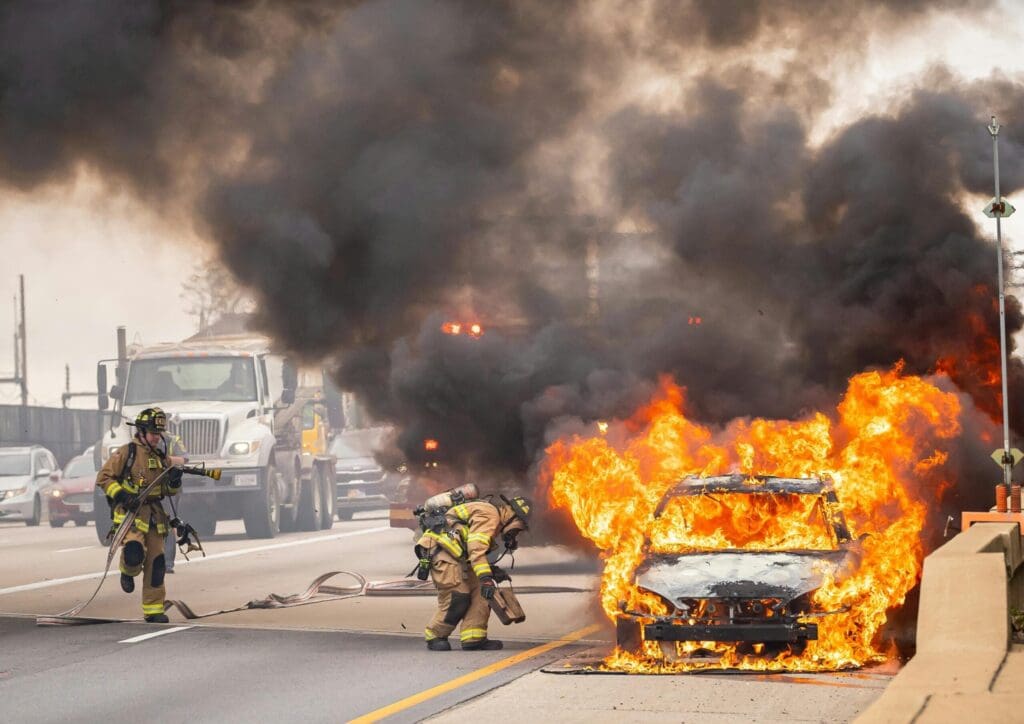
Most injury stories fit one of a handful of molds, and the sections below take them one at a time. A lawyer approaching any of them asks three things first: what was the responsible party expected to do, where did the conduct fall short, and what is different now for the person who was hurt. Questions about a company logo, an invention, or a written or recorded work are a different matter altogether, and the page for intellectual property attorneys in North Bergen is the place for those.
Crashes involving cars, trucks, bikes, and motorcycles
When vehicles meet, people in and around them get hurt, and lawyers piece the event together from the recollections of each person and the treatment notes. People describe:
- A crash between two passenger cars
- A tractor trailer or other big rig
- A cyclist struck near an intersection
- A motorcycle thrown into a collision
- Impaired driving by someone behind the wheel
- A driver absorbed in a phone, or driving recklessly
- Another form of road crash
Readers often turn next to insurance. In its 2026 auto insurance buyer’s guide, which is at the department’s guide, the Department of Banking and Insurance shows bodily injury liability on a Standard Policy as low as $35,000 per person and $70,000 per accident. Those numbers are the bottom of the Standard Policy column and not a ceiling or a universal rule. The Basic Policy column differs, and an agency’s consumer guide is not the statute.
Injuries caused by a property’s condition
The person or business in control of a property is expected to keep it reasonably safe. The questions are what the condition was, how long it had existed, and whose duty it was to deal with it. Typical conditions:
- Stairs with broken boards or no railing
- Corridors and lots left in the dark
- A slick, unmarked floor
- Heaved or cracked paving
- A heat or chemical source that burned someone
- A dog that bit a visitor
- Any other unsafe condition
Injuries that occur at work
Working conditions, the employer’s role, and the site all bear on injuries that occur on the job. People describe:
- A fall from a ladder or scaffold
- Being told to keep working despite danger
- Machinery left without maintenance
- A vehicle crash while on a work errand
- A burn or shock from electrical equipment
- An illness from exposure at work
- Another harm during working hours
Injuries from products
A product can be unsafe by design, by the way it was made, or because of what its label failed to say. Tools, appliances, vehicle parts, and items for children are common examples. Keep the item, the packaging, and the receipt where possible, and refrain from repairing or discarding the item until a lawyer says whether it matters.
Claims that involve a public body
Where a public entity or a public employee may be involved, notice requirements and time limits can be special and short, and they can differ from those in other kinds of matters. Putting the question to a lawyer early leaves room to act.
Fatal incidents
Relatives who have lost someone through another’s negligence want to know who may bring a matter and what it can seek. Situations include:
- A fatal road crash
- A drowning
- An electrocution
- A fatal fall
- A fire that took a life
- A firearm death
- A fatal event on the water or in the air
- Another fatal incident
A separate claim can arise for family members after a death, with time limits that belong to it alone. How the rules apply is a matter for a lawyer.
Punitive damages
Compensation repays a loss, while punitive damages answer conduct. The law treats the two apart. Whether punitive damages can be sought, and which limits could apply, is something a lawyer can explain.
Use the form on this page to send a short description of your matter
How To Start The Personal Injury Attorney New Jersey North Bergen Intake Process
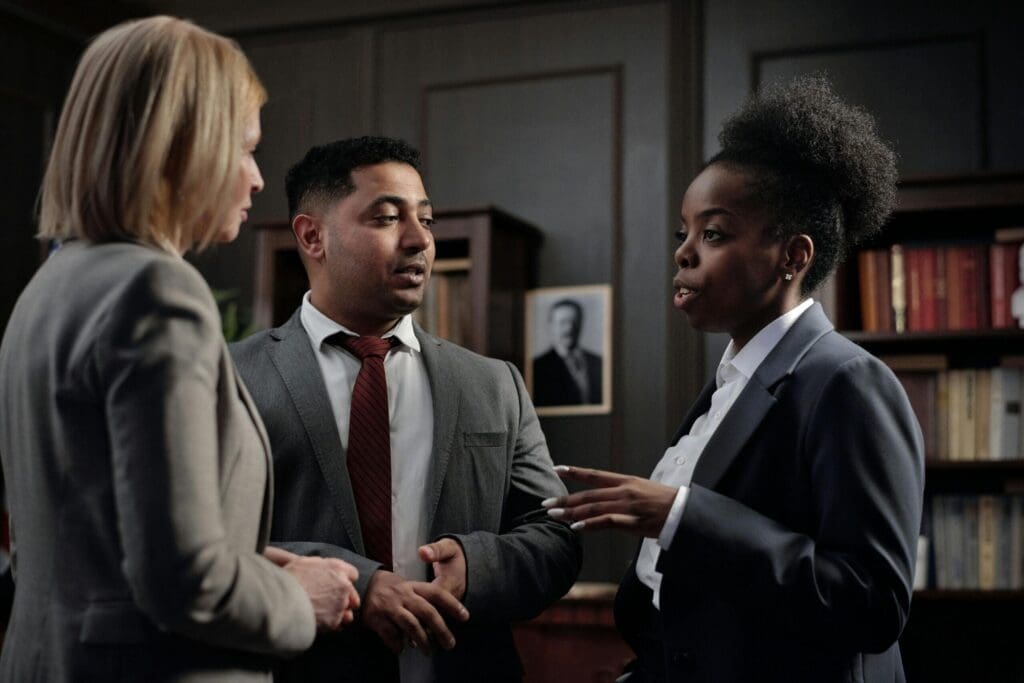
Your first move is the form on this page. It asks for a name, a contact method, and a short description of what happened. Sending it opens a conversation. It does not bind you, and it makes no promise about outcome, price, or speed.
A few details make the form quicker:
- The date and place of the incident
- The other people or businesses involved
- The doctors, clinics, or hospital that treated you
- A police report or claim number, if you have one
- A timeline you wrote
Describe things plainly. Say what you were doing, what went wrong, and how you feel. If a detail is unknown, say so. Include minor symptoms.
After you send it, keep your documents together and follow your providers’ instructions. Save receipts for what you pay yourself, and continue to add to your notes. Think before posting about the incident in public. To compare places, see the pages for personal injury attorneys in Union City and personal injury attorneys in Hoboken.
Frequently Asked Questions
What does the state transportation department say about the SR-1 form?
Its page says the SR-1 self reporting form is the only form for reporting a crash the police did not investigate.
Which courthouse does the Hudson Vicinage page list?
The William J. Brennan Jr. Courthouse at 583 Newark Avenue, Jersey City.
Where is Palisades Medical Center, according to Hackensack Meridian Health?
Its page gives the address as 7600 River Rd., North Bergen, NJ 07047.
Should I speak to the other driver’s insurer?
You can ask a lawyer first, especially about a request for a recorded statement.
Why might a lawyer want my phone’s photo library?
Images with date information can show conditions at the scene and the course of an injury. Keep the original files and avoid editing them.
