

Fill Out The Form To Be Connected Instantly to the Patent Infringement Attorney Needed In Your Case!
Your Ogden Intellectual Property Attorney
Are you facing an intellectual property issue in Ogden, Utah? Maybe you are ready to trademark a new brand, file a patent for a product you have been refining in a shop near Historic 25th Street, protect a logo your team designed at Weber State, or keep a manufacturing process at Business Depot Ogden confidential. Wherever you are in your journey, protecting your intellectual property is essential. In a market like Northern Utah, where small manufacturers, software teams, and creatives are growing side by side, your ideas are often your biggest asset. That is why having the right legal partner matters. NeedAnAttorney.net connects you directly with experienced Intellectual Property attorneys in Utah Ogden who understand your business, your timeline, and your local landscape.
Ogden is more than trailheads and Union Station. It is an active hub for makers and innovators along the I 15 and I 84 corridors. From product designers and outdoor gear brands to SaaS startups and e commerce sellers, local companies rely on strong IP strategies. Attorneys in our network help Ogden businesses register trademarks, secure patents, protect copyrighted code and content, and enforce trade secrets with practical, business first guidance. For a quick primer on copyright registration, see the United States Copyright Office overview at the following page: https://www.copyright.gov/registration/
Most IP rights are federal, but Utah law still matters, especially with unfair competition and trade secret claims. If a competitor in Ogden imitates your packaging or a former employee walks away with client lists or formulas, that is more than frustrating. It is a legal risk to your brand. A seasoned Intellectual Property attorney in Utah Ogden can act quickly with the right mix of demand letters, negotiations, and litigation strategies to protect your position.
The right fit goes beyond legal know how. You want counsel that understands how business gets done here. Whether you are a startup preparing for an investor meeting, a family manufacturer guarding a proprietary process, or a creator licensing digital assets, a local attorney will craft a plan that matches your goals. That can include clearance searches, filings with the USPTO and the Copyright Office, licensing agreements, portfolio management, and decisive enforcement when needed.
Bottom line, your ideas deserve protection that keeps pace with your growth. Fill out the form on this page and we will connect you with a trusted Intellectual Property attorney in Ogden, Utah. You will get someone who understands your market, respects your time, and knows how to defend what you have built so you can keep building.

What is Intellectual Property Law?
Intellectual property law is all about protecting what you create the ideas, designs, and innovations that make your work uniquely yours. In Ogden, Utah, that can mean anything from safeguarding a new product design developed in your workshop to protecting software code written in a local startup’s office near Historic 25th Street.
IP law covers patents, trademarks, copyrights, and trade secrets, each serving a different but equally important purpose. These protections give creators and inventors the legal right to control how their work is used and to prevent others from copying, selling, or profiting from it without permission. The goal is simple: to encourage innovation while giving you the tools to protect your hard work.
As technology and industries in Utah continue to evolve, so do the challenges of intellectual property law. Whether you’re launching a new business, expanding a creative project, or dealing with a possible infringement, understanding how IP law applies to your situation can make all the difference. Working with a knowledgeable Intellectual Property attorney in Ogden, Utah ensures your ideas are not only recognized but protected.
The Role of an IP Attorney
An IP attorney plays a vital role in helping individuals and businesses protect and enforce their intellectual property rights. Specializing in IP law, these attorneys have the expertise and knowledge to navigate the legal landscape of patents, trademarks, copyrights and trade secrets. They offer valuable advice on IP strategy, conduct patent and trademark searches, draft and file patent and trademark applications and prosecute patent applications. They also represent clients in IP litigation and disputes to ensure their rights are upheld in court. Beyond litigation they help manage IP portfolios, negotiate licensing agreements and enforce IP rights against infringers. By working with an IP attorney you can confidently protect your intellectual property and maximize the value of your creative and innovative works.
To discuss your specific needs fill out the form on the top of the page.
What To Look for When Hiring the Right Intellectual Property Attorney

If you’re in Ogden, Utah, working with an intellectual property attorney can make all the difference when it comes to protecting what you’ve built. Whether you’re filing a patent, registering a trademark, defending a copyright, or locking down trade secrets, having a skilled local attorney someone who understands both federal IP law and Utah’s legal landscape can save you time, money, and stress in the long run.
- Utah and Federal Laws: Attorneys in Ogden understand how national intellectual property laws align with Utah’s evolving business environment. Whether you’re securing a utility patent, defending digital content, or facing unfair competition, a knowledgeable IP attorney can help you protect your assets before issues arise or step in fast if someone is already profiting from your work. A trusted Intellectual Property attorney in Utah Ogden brings a local understanding to national protections, which is critical when your ideas drive your business.
- Utah’s Legal System: Every state handles IP disputes differently, and Utah is no exception. A local attorney in Ogden knows what kinds of evidence and arguments work well with Utah’s courts and judges. That local experience can give your case the edge when your brand, invention, or creative assets are on the line.
- Ogden Creative Economy: Ogden isn’t just known for its mountain views-it’s also a growing hub for innovation. From manufacturing startups and outdoor product designers to software developers and musicians, entrepreneurs here are constantly launching new ideas. A reliable Intellectual Property attorney in Ogden, Utah helps make sure that your designs, logos, and creative work stay protected. For insight into how international IP rights work, you can also review the World Intellectual Property Organization’s guide to IP protection
- Trusted Representation: The attorneys in our network are licensed in Utah and understand what local creators and business owners face. They’ll take the time to understand your goals, explain every option clearly, and build a legal plan that fits your business whether that means drafting licensing agreements, enforcing trade secrets, or managing trademarks.
Intellectual property law doesn’t have to be overwhelming. With the right attorney, every step-from filing to renewal-feels clear and manageable. You’ll always know what’s happening and what comes next.
If you’re ready to protect your work and strengthen your business foundation, now is the time to take action. Fill out the quick form on the top of this page, and we’ll connect you with a trusted Intellectual Property attorney in Ogden, Utah someone who understands your market, your goals, and how to keep your ideas safe with the NAA network.
How We Help by Giving You a qualified Law Firm for Your IP Needs
Selecting the right law firm for your intellectual property needs is crucial to effectively protecting and enforcing your IP rights. Here are some key factors to consider when choosing the right firm for you:
- Experience: Look for a law firm with extensive experience in IP law, particularly in your specific industry or technology area. Experienced firms are better equipped to handle the unique challenges of your case.
- Expertise: Ensure the law firm has IP attorneys with the necessary expertise and knowledge to address your specific IP needs. Specialized knowledge can make a significant difference in the outcome of your case.
- Reputation: Research the law firm’s reputation and track record in IP law. A firm with a history of successful IP litigation and dispute resolution is more likely to provide effective representation.
- Client Service: Choose a law firm that prioritizes client service and is known for being responsive and communicative. Good client service ensures you stay informed and supported throughout the legal process.
- Cost: Consider the firm’s fees and billing structure to ensure they fit your budget and needs. Transparent and reasonable pricing is essential for a long-term legal relationship.
When carefully evaluating these factors, you can choose a law firm that will provide strong support for your intellectual property needs.
Helping IP Clients Throughout Utah
Our network of Utah Intellectual Property attorneys offers coverage throughout the state. Explore additional resources and local legal guidance in nearby cities:
- Intellectual Property Attorney Utah: Statewide IP protection and legal representation for Utah’s creators and innovators.
- Intellectual Property Attorney Salt Lake City: Serving startups and creative professionals across Utah’s capital region.
- Intellectual Property Attorney Provo: Helping local businesses and inventors protect their brands and ideas.
- Intellectual Property Attorney St. George: Offering tailored IP protection services for southern Utah’s innovators.
Whether you’re building a business or defending an invention, NeedAnAttorney.net connects you with trusted legal professionals across Utah who understand how to protect your ideas and your future.
The Different Types Of Intellectual Property Cases

Trade Secret Cases
Trade secret cases revolve around confidential business information that provides a competitive edge such as formulas, processes or business strategies. Misappropriation of trade secrets occurs when this information is acquired, disclosed or used without permission. Trade secret cases often involve former employees or business partners. We handle various types of cases including IP litigation and intellectual property rights disputes. Our network of attorneys are skilled in handling complex legal issues and offer full service legal solutions. The network of trademark attorneys handle the uniqueness and compliance of trademarks. Additionally our network of law firms have experience dealing with the trademark office to get trademark protection for our clients. Our intellectual property group protects your trade secrets and ensures your competitive edge remains secure.
Design Patent Cases
Design patents protect the ornamental appearance of an object. Design patent infringement occurs when the visual appearance of a product is copied or mimicked without permission. These cases focus on the overall look and feel of a product rather than its function. Our network has experience in handling various types of cases including infringement litigation which is a common type of case involving intellectual properties. The lawyers are skilled in handling complex legal issues and providing full service legal solutions and we emphasize the importance of hiring a trademark lawyer to navigate the trademark cases. The network of lawyers from need an attorney play a key role in ensuring the uniqueness and compliance of trademarks. Additionally we have expertise in dealing with the trademark office to get trademark protection for our clients. Our attorneys are adept at navigating the U.S. Patent and Trademark Office to secure design patent protections for our clients.
Licensing and Contract Disputes
Licensing and contract disputes occur when IP rights agreements such as licensing agreements or joint development agreements are breached or interpreted differently by the parties. These cases involve disputes over royalties, usage rights or contract terms. We also represent clients in disputes before the USPTO’s Trademark Trial and Appeal Board (TTAB) and the Patent Trial and Appeal Board (PTAB).
Our network of attorneys have a deep understanding of patent law ensures that your licensing agreements are robust and enforceable.
Domain Name Disputes
Domain name disputes involve disputes over the ownership or registration of internet domain names that are similar to a trademark or brand name. These are resolved through arbitration under the Uniform Domain Name Dispute Resolution Policy (UDRP). As one of the most active IP law firms we have a proven track record of resolving domain name disputes.
Design Patent Cases
Design patents cover the ornamental appearance of an object. Design patent infringement occurs when the overall look and feel of a product is copied or mimicked without permission. These cases focus on the look and feel of a product not the function. Our network has experience in various types of cases including infringement litigation which is the most common type of IP case involving intellectual properties. The attorneys are skilled in handling complex legal issues and provide full service legal solutions and we recommend hiring a trademark attorney to navigate trademark cases. The attorneys from our network play a key role in ensuring the uniqueness and compliance of trademarks. We also have expertise in dealing with the trademark office to get trademark protection for our clients. The attorneys are able to navigate the U.S. Patent and Trademark Office to get design patent protection for our clients. Licensing and contract disputes arise when IP rights agreements such as licensing agreements or joint development agreements are breached or interpreted differently by the parties. These cases involve disputes over royalties, usage rights or contract terms. We also represent clients in disputes before the USPTO’s Trademark Trial and Appeal Board (TTAB) and the Patent Trial and Appeal Board (PTAB).
Counterfeiting and Piracy Cases
These cases involve production and distribution of unauthorized copies of branded products or works. Counterfeiting is tangible goods like clothing or electronics while piracy is digital goods like movies or software. We are well versed in intellectual property and ensure our clients’ assets are protected and disputes are resolved efficiently. The network of lawyers play a key role in tackling different types of legal issues, providing expert guidance and representation. As a full service legal provider we offer a wide range of legal services to our clients. Whether you need an intellectual property attorney or assistance with trademark registration our team is here to help. Hiring a trademark lawyer is important in navigating the application process and ensuring your brand is unique. The trademark lawyers are known for their expertise in trademark cases and can help you deal with the trademark office to get the necessary protections for your intellectual property. The attorneys have extensive experience representing clients before the International Trade Commission, ensuring robust protection of intellectual property rights on a global scale.
Patent Infringement Litigation Cases
Patent cases involve protection of inventions, processes or designs that are new, useful and non-obvious. We handle various types of cases including IP litigation which is the most common type of case involving disputes over intellectual property. The lawyers in our network have experience in handling complex legal issues and ensure clients’ intellectual properties are protected. We offer full service legal solutions, representing clients in federal courts and administrative agencies. Patent infringement occurs when someone makes, uses, sells or imports a patented invention without the owner’s permission. Cases may include disputes over patent validity, infringement claims or licensing agreements. We recommend hiring a trademark attorney to navigate the trademark registration process. The trademark attorneys handle the uniqueness and compliance of trademarks. Additionally our network has experience dealing with the trademark office to get trademark protection in different states and internationally.
Trademark Cases
Trademark cases protect brand elements like logos, names, symbols and slogans that distinguish a business’s products or services. The lawyers that work with us have extensive experience in intellectual properties and ensure your assets are well protected. We tackle each legal issue with a practical approach that aligns with your business goals. Our full service legal solutions means we can handle complex legal issues. Our network of trademark lawyers play a key role in ensuring the uniqueness and compliance of your trademarks. Additionally we have expertise in dealing with the trademark office, helping clients get trademark protection. The attorneys from the network can also represent clients in trademark trials before the USPTO’s Trademark Trial and Appeal Board, showcasing our expertise in managing disputes and navigating the complexities of trademark law.
Copyright Cases
Copyright law protects original works of authorship such as books, music, art, software code and other creative expressions. Copyright cases involve unauthorized copying, distribution or use of a copyrighted work. Examples are piracy of digital media, software code disputes and derivative works.
That’s why we need an attorney was created…
Intellectual Property Services That The NAA Network Helps With
Need an attorney offer a comprehensive range of services to help individuals and businesses protect and enforce their intellectual property rights. These services include:
- Patent Prosecution: Drafting and filing patent applications, responding to office actions and prosecuting patents to issuance. This protects your inventions.
- Trademark Prosecution: Conducting trademark searches, drafting and filing trademark applications, and responding to office actions. This secure exclusive rights to your brand elements.
- IP Litigation: Representing clients in IP disputes and litigation, including patent, trademark, and copyright infringement claims. Effective litigation can protect your IP rights and resolve conflicts.
- IP Portfolio Management: Managing and maintaining IP portfolios, including patent and trademark maintenance, and IP licensing and assignment. This service helps maximize the value of your IP assets.
- IP Strategy: Advising clients on IP strategy, including patent and trademark searching, and IP due diligence. Strategic advice ensures your IP efforts align with your business goals.
These services covers the aspects of intellectual property protection and enforcement.
Protecting Your Intellectual Property Assets In Ogden
- Conduct IP Searches: Perform patent and trademark searches to ensure your IP assets do not infringe on existing IP rights. This step helps avoid legal conflicts and ensures the uniqueness of your IP.
- File IP Applications: Secure exclusive rights to your IP assets by filing patent and trademark applications. Proper registration is the first line of defense against infringement.
- Maintain IP Portfolios: Regularly maintain and update your IP portfolios to ensure ongoing protection. This includes renewing patents and trademarks and keeping records up to date.
- Monitor for Infringement: Keep an eye out for infringement of your IP assets and take action quickly to enforce your rights. Vigilance is key.
- License and Assign IP: Generate revenue and expand your business by licensing and assigning your IP assets to others. Properly managed licensing agreements can provide significant financial benefits.
By taking these proactive steps, you can effectively protect your intellectual property assets and ensure they contribute to your business success.
How To Start the Intellectual Property Attorney Utah Ogden Intake Process
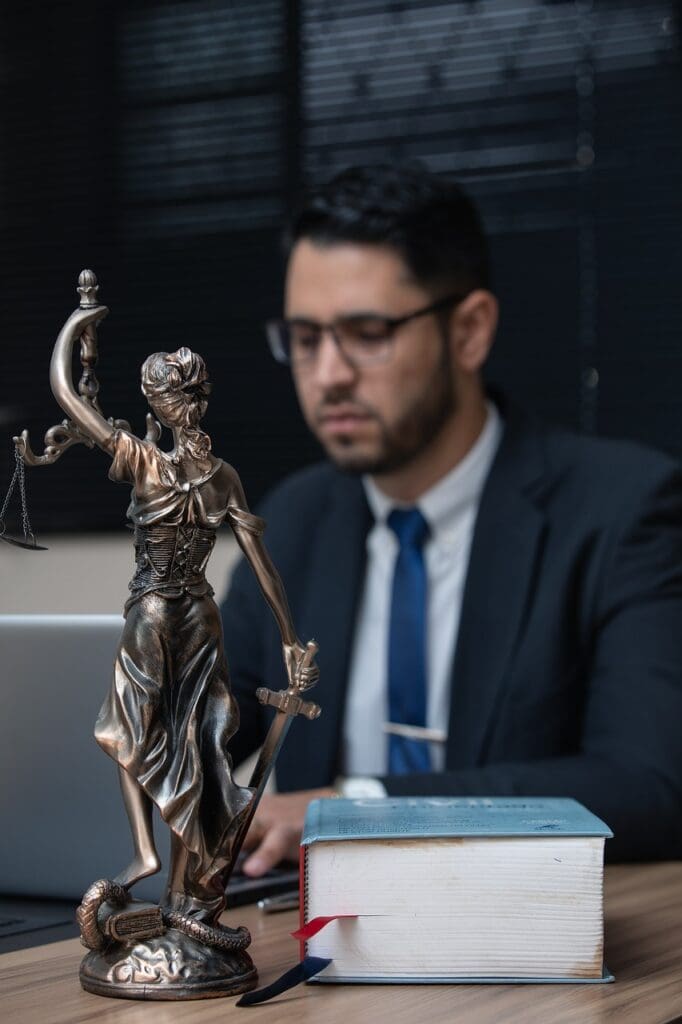
Looking for an Intellectual Property attorney in Ogden, Utah? You’re in the right place. Whether you’re protecting a new invention, trademarking your logo, or stopping someone from using your ideas, our network connects you instantly with top IP lawyers who understand Utah’s business landscape.
At NeedAnAttorney.net, we know your ideas are often your most valuable assets. If someone’s infringing on your patent, design, or creative work, having the right attorney can make all the difference. Once you submit the form, you are matched with an attorney suited to your case.
Many of the attorneys in our network offer free consultations, so you can discuss your case risk-free and get clarity on your next steps.
Take the first step toward protecting your business today, fill out the form to connect with a trusted Intellectual Property Attorney in Ogden, Utah, and start defending what you’ve built.
Frequently Asked Questions About Intellectual Property Attorneys in Ogden, Utah
What can an IP attorney in Ogden help me protect?
An IP attorney in Ogden can help protect patents, trademarks, copyrights, and trade secrets, ensuring your innovations and creative work remain secure under federal and Utah law.
Do I need to register my intellectual property to protect it in Utah?
Yes, registration provides stronger legal protection. Whether it’s a trademark, patent, or copyright, registration allows you to enforce your rights more effectively.
Why should I choose a local IP attorney in Ogden?
A local attorney understands both the federal framework and Utah’s legal nuances, providing practical guidance and efficient representation tailored to Ogden’s business community.
What industries in Ogden rely most on IP protection?
Ogden’s key industries: manufacturing, software, design, and e-commerce: all depend heavily on intellectual property protection to stay competitive.
Can an Ogden IP attorney handle disputes with companies outside Utah?
Yes, they can manage cross-state and federal disputes, ensuring your IP protections hold up nationally and even internationally when necessary.
If the matter involves a crash, a fall, or another injury, our Ogden personal injury attorney page is the better fit.